
 AC repair
 Furnace & heating
 Heat pumps
 Ductless mini splits
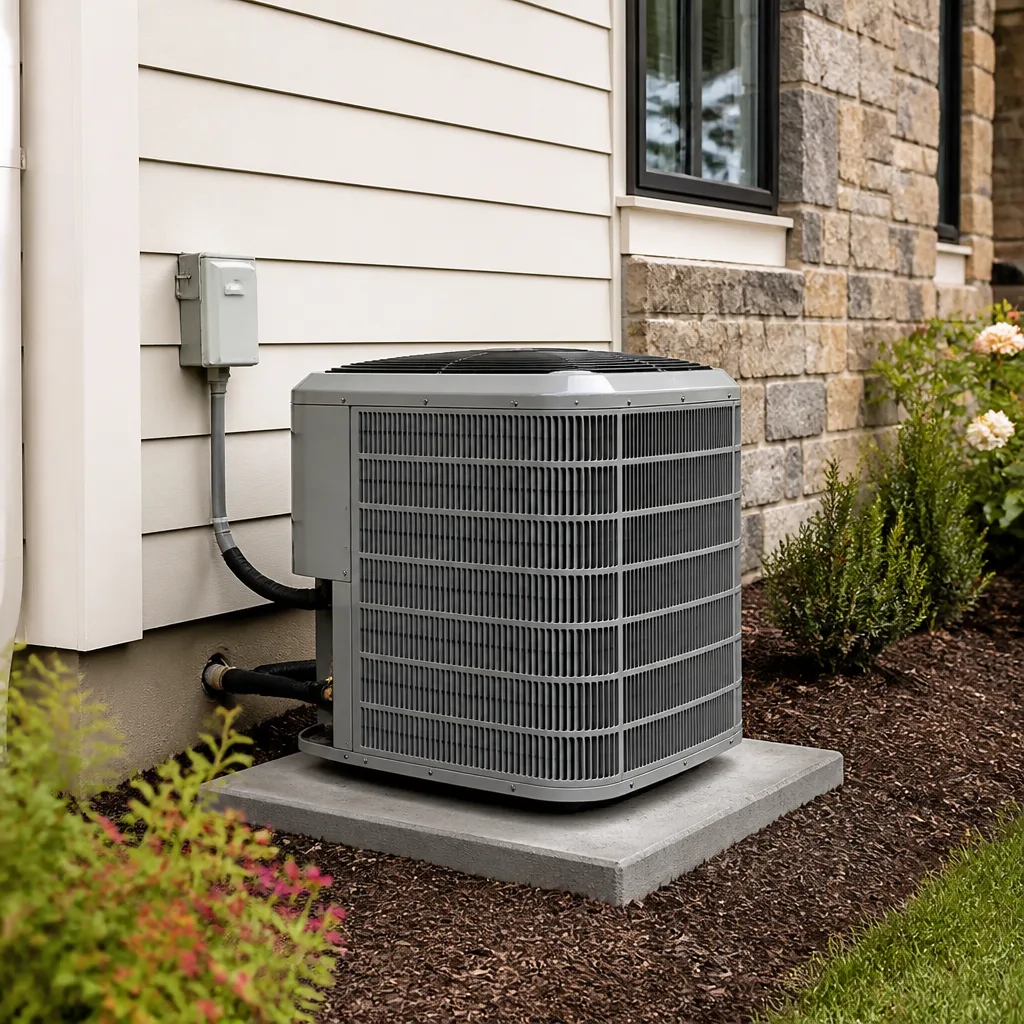 Carrier
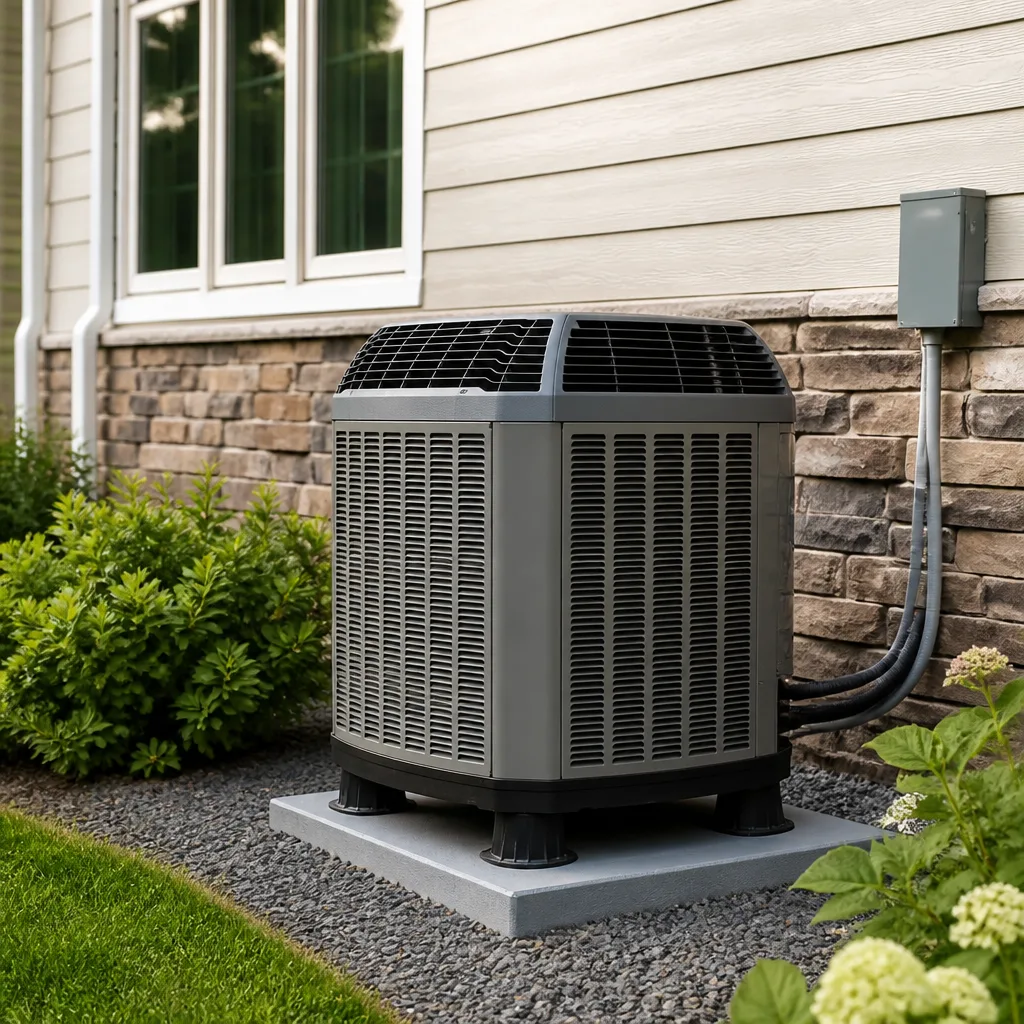 Trane
Trane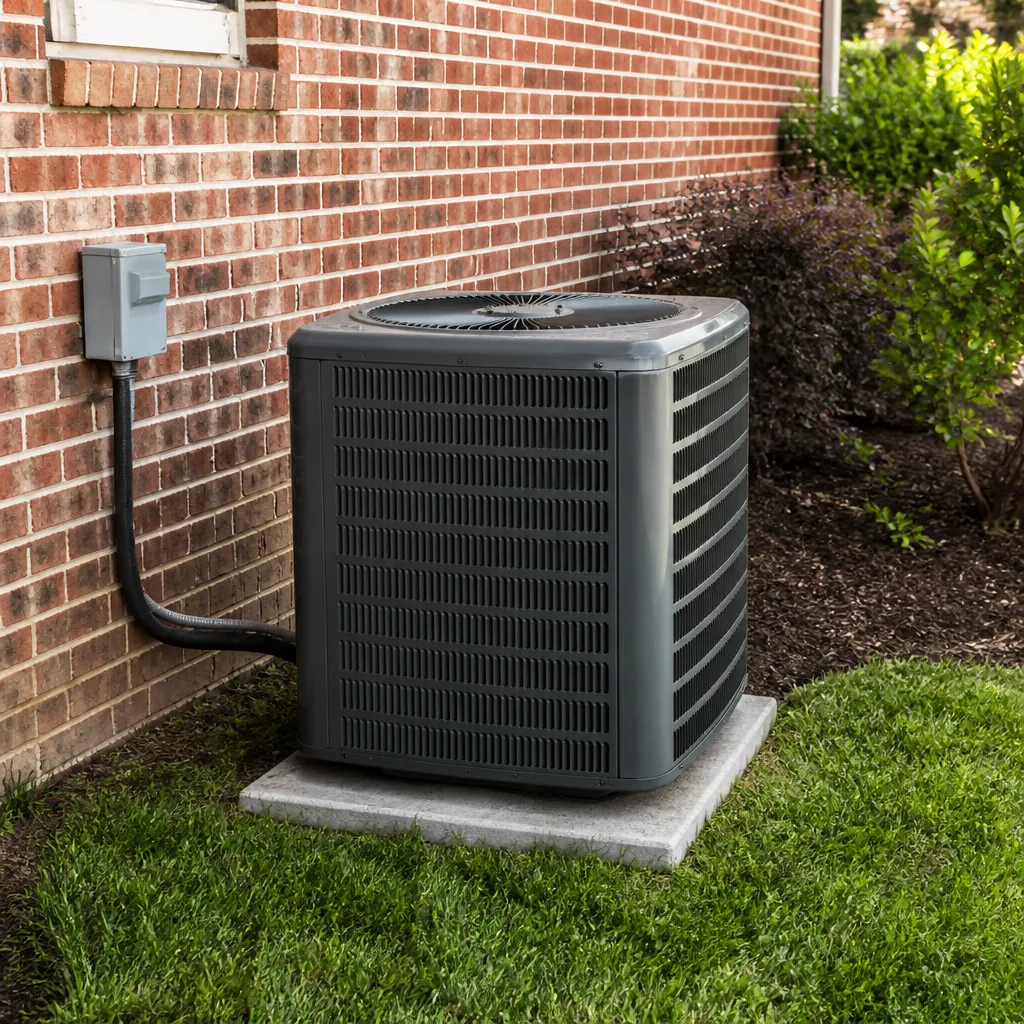 Goodman
Seasonal tune-up and full diagnostic on your Carrier, Trane, or Goodman system - readings shown to you before any repair is proposed
Diagnosis first, numbers second - you approve the repair price before a single part goes in.
Get your free estimateYork Ductwork Repair: The Yonkers Owner’s Guide
York ductwork repair in Yonkers typically runs between $180 and $450 for most leak sealing, joint reconnection, and section replacement jobs, with full branch-line replacement landing closer to $600 – $900 depending on access and linear footage. We stock York-compatible duct sections, collars, mastic, and foil tape on our trucks, so most repairs are completed same-day in a single visit. The way homeowners usually discover the problem is not dramatic: a room that never quite heats in January, a hallway that stays stuffy in August, or dust building up faster than it should around the registers.
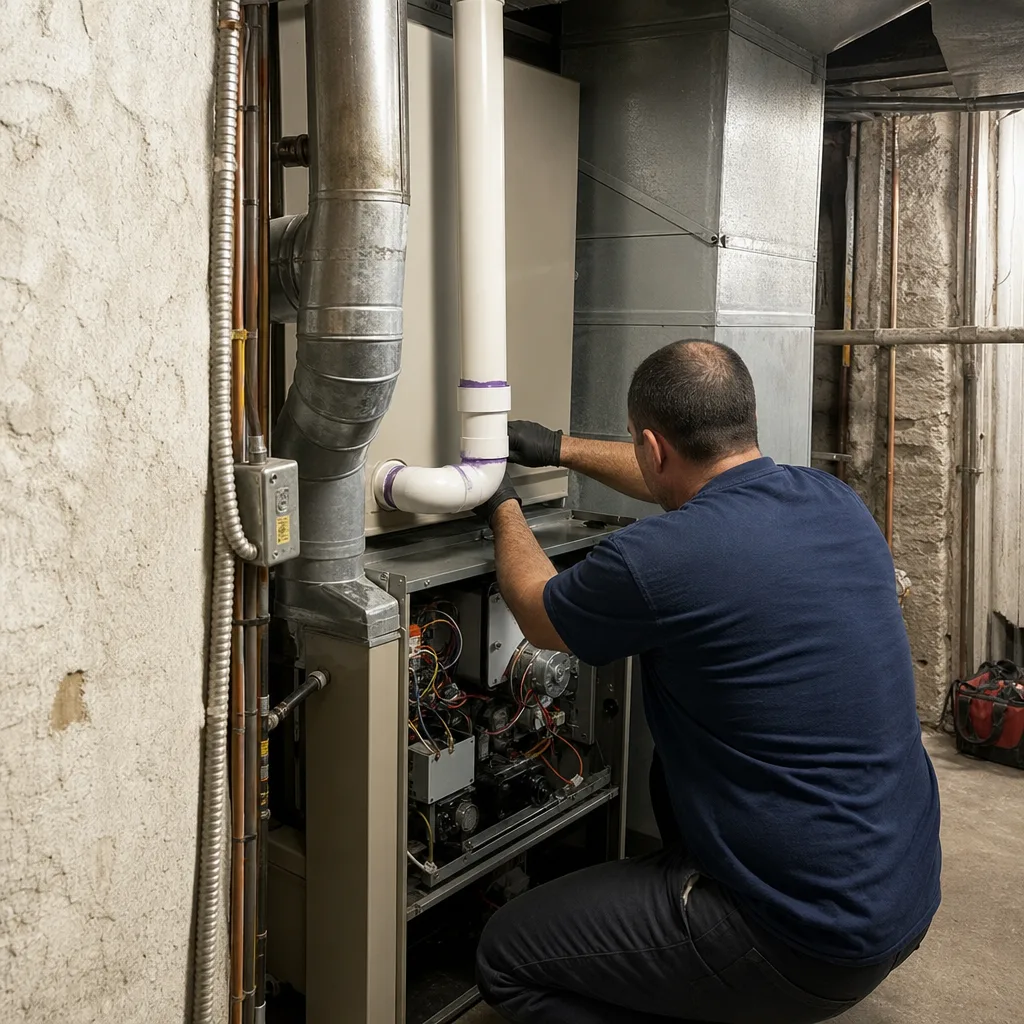
Yonkers homes have a particular quirk with ductwork. A lot of our housing stock near Getty Square and up through the hills was built in the 1940s through 1970s, which means retrofit systems and long runs through unconditioned basements and attics. That makes failed duct connections a regular part of our week. If your York furnace or air handler is working fine but the comfort is not making it to the room, the ducts are usually the weak link. And Andre Fuller will tell you straight: “I’d rather give you a real number upfront than a good story after the fact.” That’s how we run every York ductwork job in Yonkers.
Which York Models This Applies To
Ductwork is not model-specific the way a control board or gas valve is, but the connector sizes and static pressure tolerances do vary by York product line. Here’s what matters in practice:
- York Affinity and LX series air handlers typically use 16″ to 20″ return plenums and 14″ to 18″ supply mains, which means duct collars need to match those exact opening dimensions. A generic 12″ collar taped into an 18″ plenum will leak from day one.
- York horizontal units in crawlspaces and attics often connect to flexible duct runs that sag, kink, or separate at the takeoff collar. The failure we see most often is the inner liner detaching from the collar while the outer insulation jacket hides the gap.
- Older York Diamond 80 and Diamond 90 furnaces are frequently paired with existing sheet metal plenums from the original install, and those seams were sealed with tape that has long since dried and fallen off.
To identify the right match, check the model number sticker on the cabinet near the access panel. The first few characters tell you the series, which tells us what size collar and plenum kit to pull off the truck. For York specifically, there is one gotcha: the company’s newer modulating systems are more sensitive to air leakage than single-stage units from the 1990s. A York Affinity communicating system with leaky ducts will throw airflow errors that look like electronic faults but are actually a disconnected run or a failed collar in the basement.
On the OEM versus aftermarket decision: for York duct components, OEM is mostly a non-issue. The materials themselves, sheet metal collars, mastic, S-lock, drive cleats, foil tape, are not made by York at all. What matters is the skill of the install and whether the installer matches the static pressure rating. We use the same commercial-grade materials for every York repair, and we seal every seam with mastic, not just tape, because mastic does not age out the way adhesive tape does. Halden Heating and Air is an independent service provider, not affiliated with York, but we are factory-certified to service their equipment and we understand how their airflow specifications interact with older Yonkers duct layouts.
Styles & brands we work with
Signs Your York Ductwork Repair Is Failing
- A room that never reaches temperature. The furnace or AC runs, the thermostat says it is satisfied, but one bedroom stays cold or hot. That is almost always a disconnected or collapsed section on that specific branch line. The air is being conditioned but never arriving.
- Dust accumulation on registers and nearby walls. When a return duct has a gap, it pulls air from the basement or attic instead of the living space. That air carries dust, insulation fibers, and whatever else is floating around in unconditioned spaces.
- Whistling or tapping sounds when the blower runs. A whistle means air is being pushed through a small gap under pressure. A rhythmic tapping often means a section of sheet metal has come loose and is flexing with the airflow.
- Higher gas or electric bills with no change in usage. Leaky ducts can lose 20% to 30% of conditioned air before it reaches the register. The system works harder to hit the same temperature, and your utility bill reflects that extra runtime every single month.
- Uneven airflow between registers. Stand near two registers in the same zone. If one is blowing strong and the other is barely moving air, the weaker line has a blockage, a crushed section, or a failed connection somewhere along the run.
See the difference
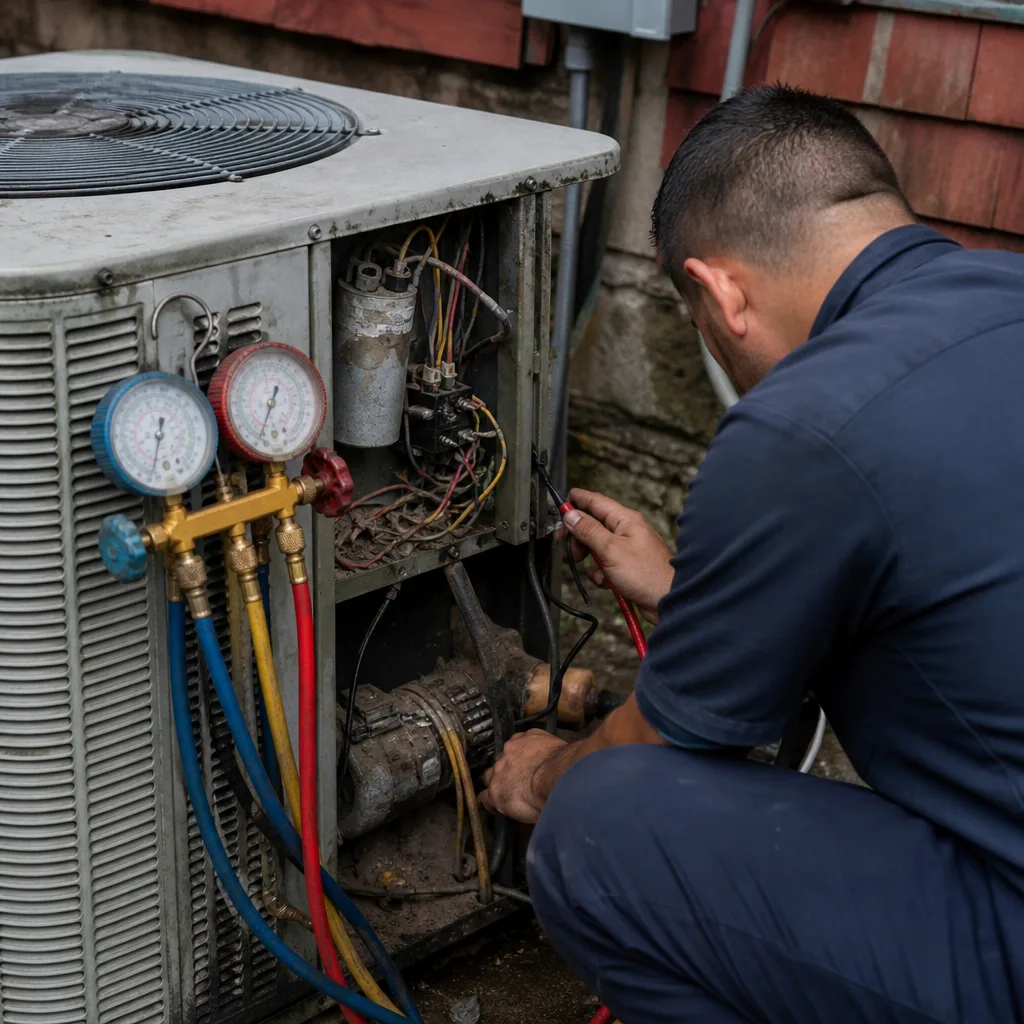 Before
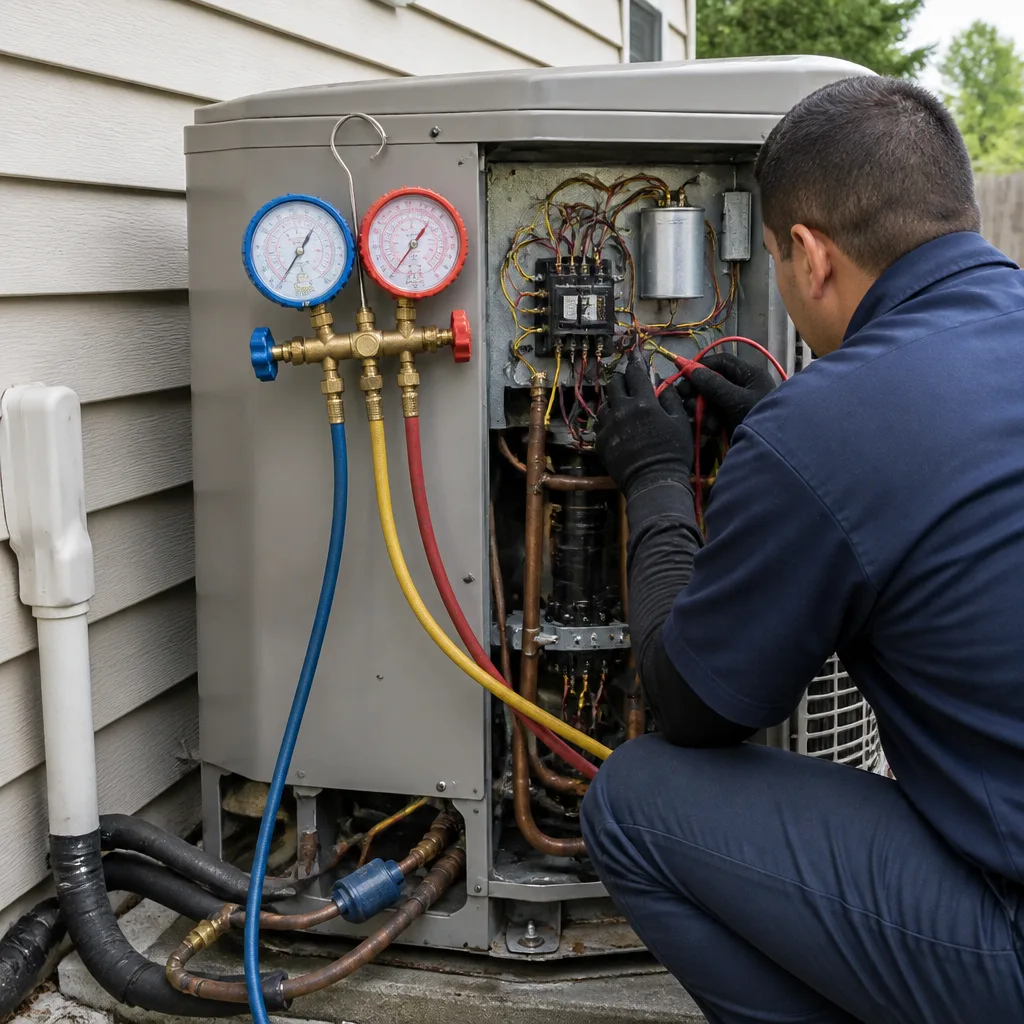 After
After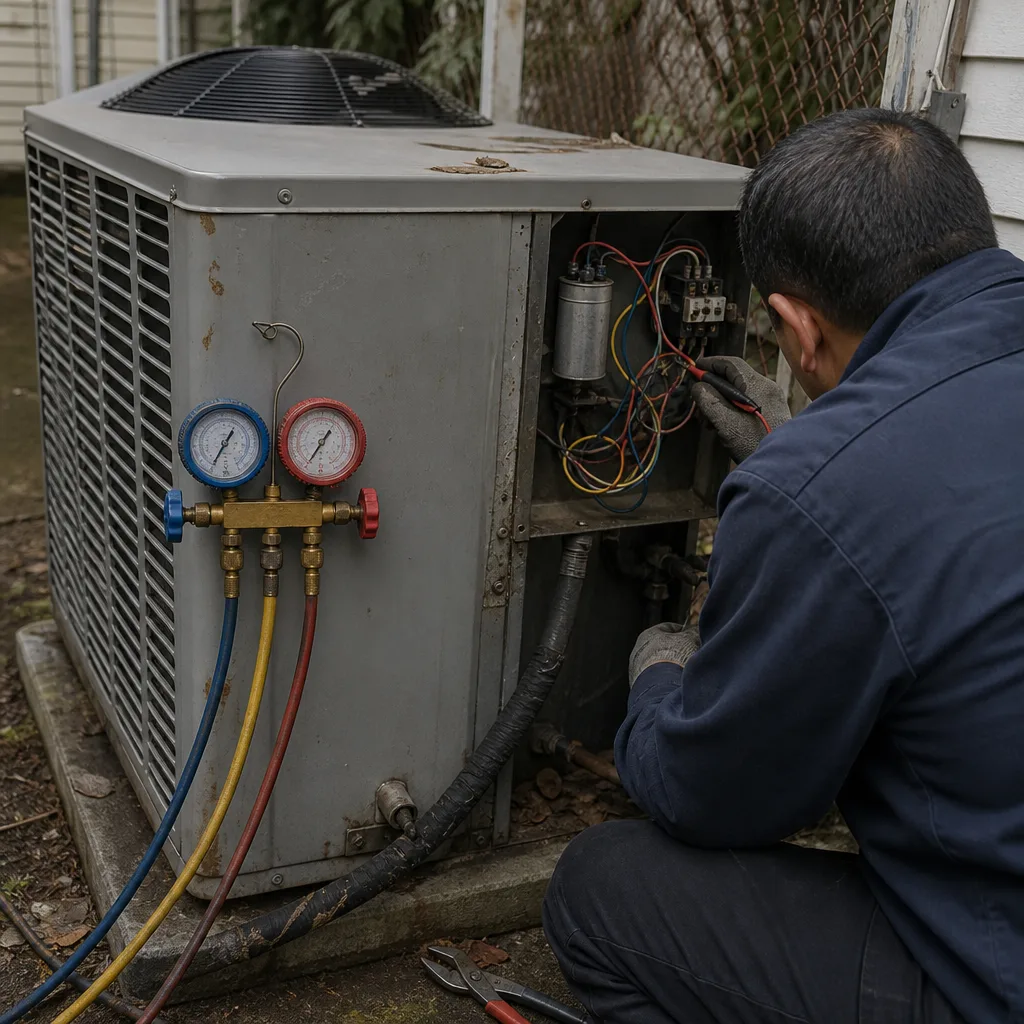 Before
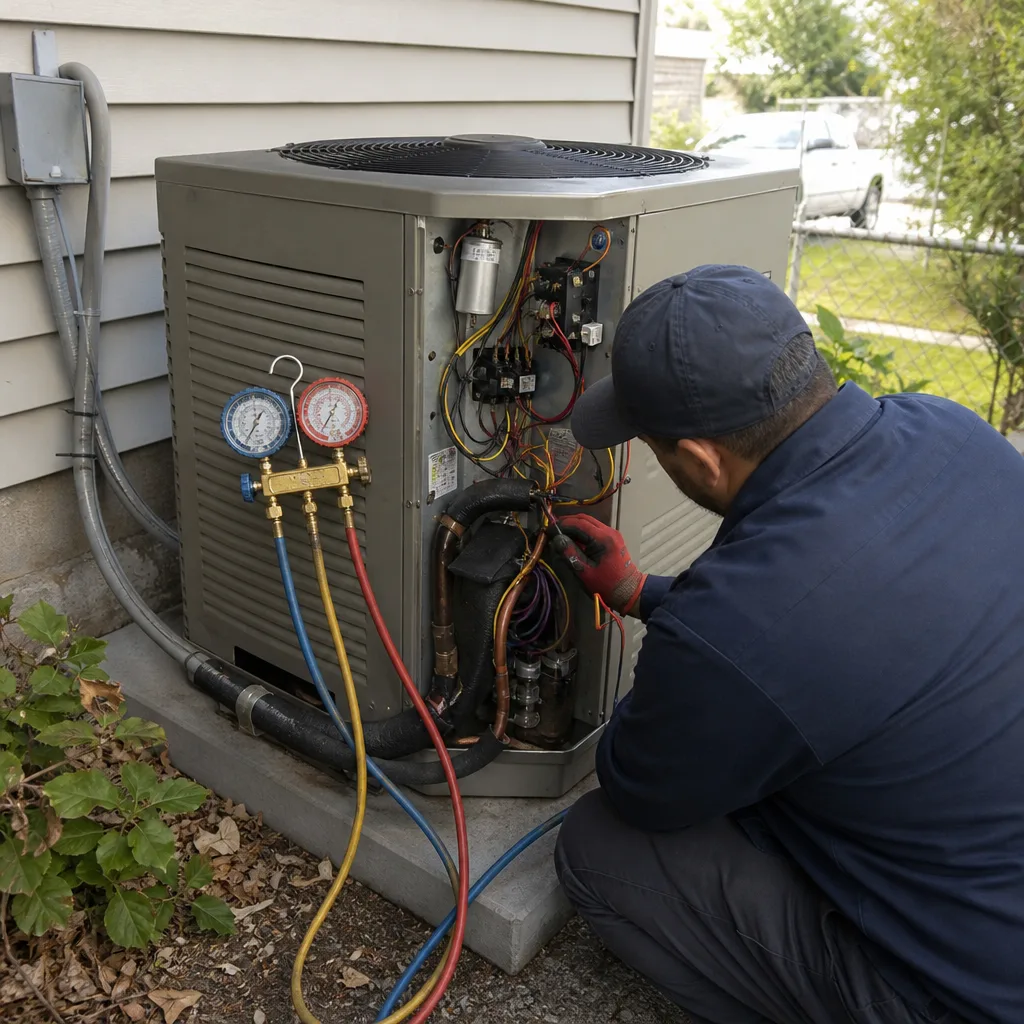 After
After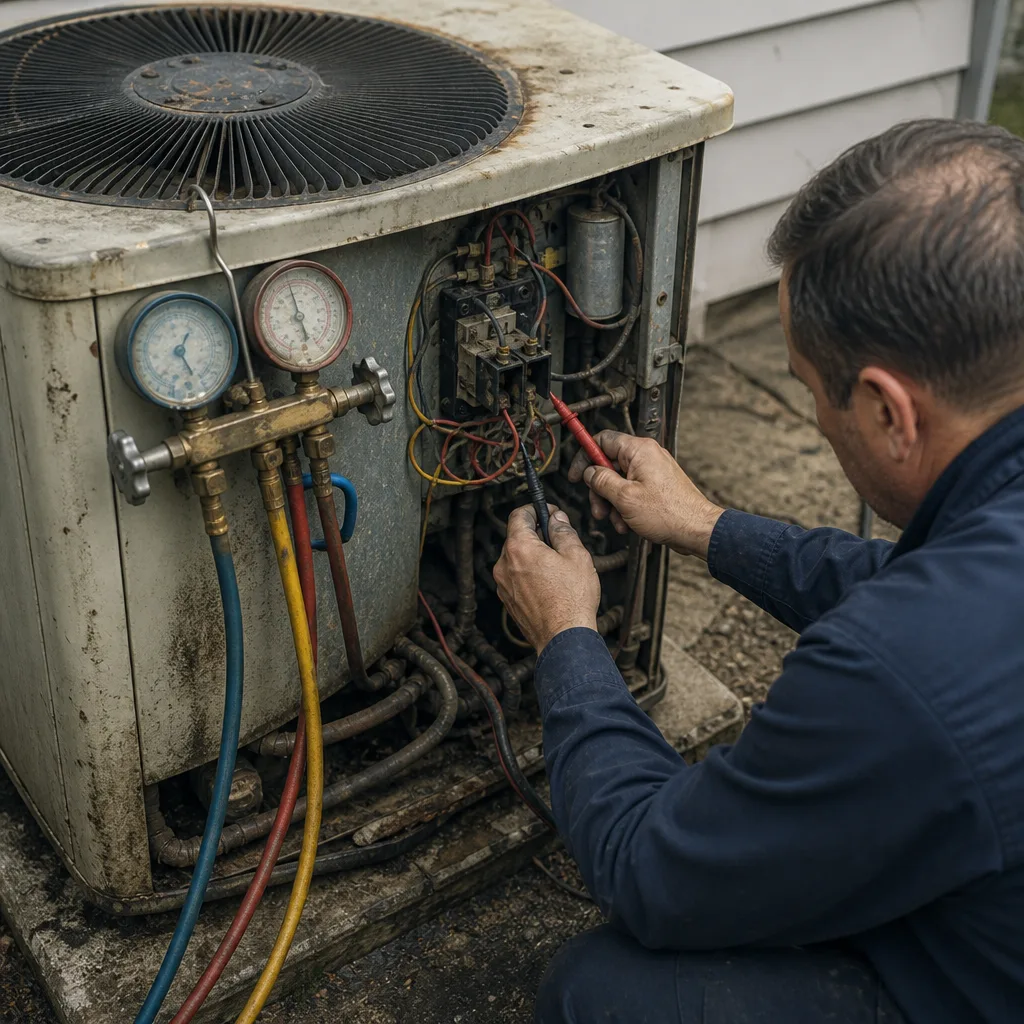 Before
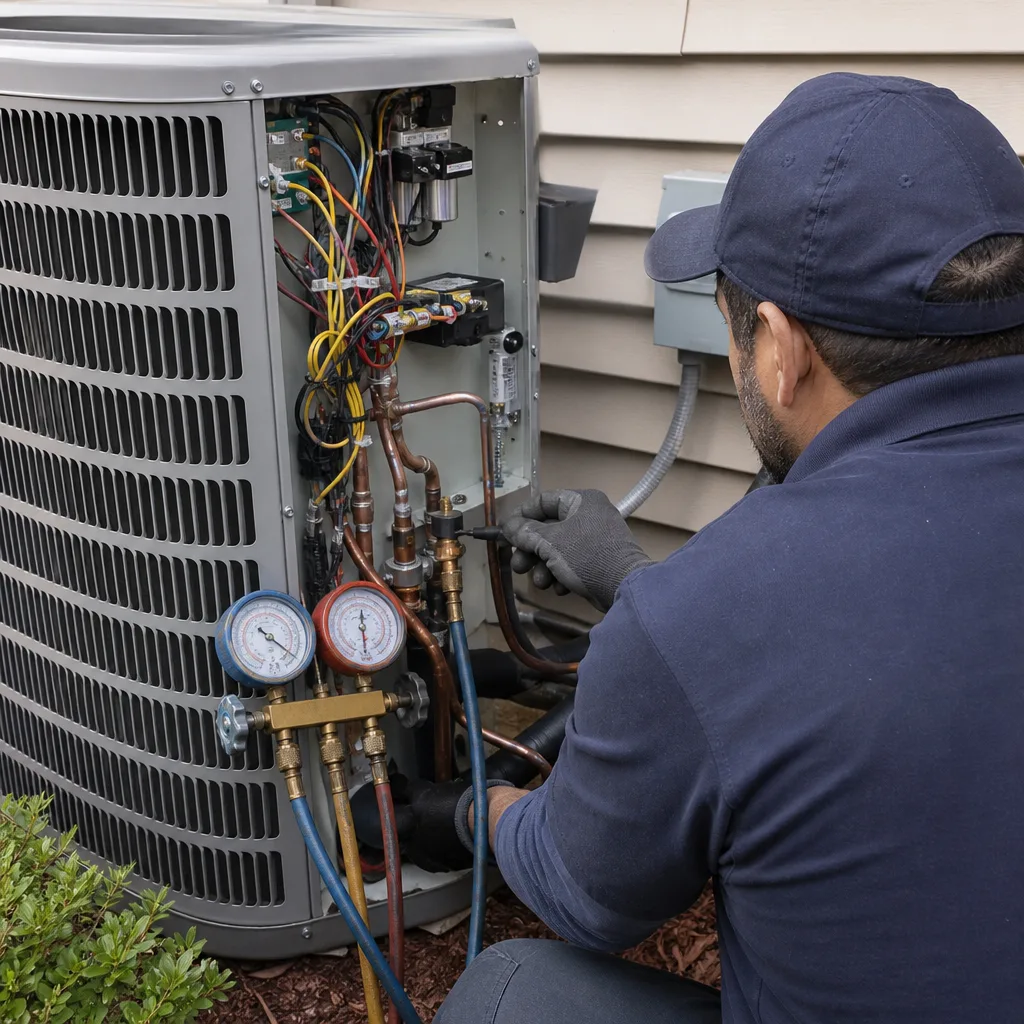 After
AfterReplacement Cost & What’s Included
In Yonkers, most York ductwork repairs land in clear price bands. Here is what we typically see on site:
- Sealing a leaking joint or seam: $100 – $180, including mastic and tape. This is the most common fix for pinhole leaks and dried-out original tape.
- Reconnecting or replacing a takeoff collar: $160 – $280. This includes removing the old connection, sizing a new one to the York plenum, and sealing it properly.
- Replacing a damaged flex duct section: $220 – $450 depending on the diameter and length of the run. Attic jobs are more expensive than basement jobs because of access and heat.
- Full branch-line replacement: $600 – $900 for complete removal and installation of a new run with proper hangers, insulation, and sealing.
Every one of those prices includes the parts, the labor, and the cleanup. More importantly, it includes a written price before we start. You will know the number before a single tool comes off the truck. We also include a written guarantee on every repair, and if something we fixed fails during the coverage window, we come back at no charge. That is not an upgrade. That is the rule.
DIY or Call Us?
There is a small set of things an owner can safely check. Look at the visible ductwork in the basement. If you see a section hanging loose, a separated joint, or piles of dust around a seam, that is a real problem and a safe one to identify. You can also hold a tissue near registers to compare airflow, or feel the temperature difference between rooms. Writing down what you see helps us diagnose faster over the phone.
Where DIY goes wrong is the repair itself. Ductwork is not high-voltage electrical, but working overhead in a cramped basement or a 130-degree attic is a different kind of hazard. Falls, pulled muscles, and improper sealing are all common when someone without the right tools attempts it. More importantly, when a repair is not sealed correctly, the leak returns within months and you have spent a Saturday for nothing. We carry the right gauge replacement sections and mastic on every truck. If you are reasonably handy, call us first and describe what you see. We will tell you honestly if it is something we should handle, and if we come out, the estimate is free. Reach us at (838) 213-7827.
FAQs
Properly installed and sealed ductwork lasts 25 to 40 years in Yonkers, but the original tape and seals on most systems fail within 8 to 15 years due to temperature swings between basements and run cycles. The metal or flex sections themselves can last decades if they were hung properly, but the connection points are always the first thing to go, especially in older Yonkers basements with high humidity. Call (838) 213-7827 if you suspect your seals are the issue; we can inspect and quote the repair before any work starts.
Yes, in most cases a dented or partially crushed section can be reshaped and re-sealed if the metal is still intact, but a torn flex duct liner or a collapsed section with a kinked inner core needs replacement because repairs will restrict airflow and undo the system’s balance. We will tell you which category yours falls into after looking at it, and the written quote covers exactly what we will do. For most Yonkers homes we see, sealing and reconnecting is enough.
Most Yonkers ductwork repairs we handle are completed in 1 to 3 hours on site, including sealing, section replacement, and airflow verification. Larger jobs like full branch-line replacement can run 4 to 6 hours. We book a specific arrival window with live tracking, not an all-day guess, so you know exactly when the tech is pulling up.
Yes, we carry common York-compatible collars, flex duct sizes, mastic, foil tape, hangers, and sheet metal sections on every truck, so the majority of Yonkers ductwork repairs are completed same-day without a parts run. If your repair requires a specialty fitting that we do not have on board, we will tell you during the estimate call before we schedule the visit.
We are Halden Heating and Air, based in Yonkers and serving the surrounding area. We also stock parts for Carrier, Trane, and Lennox systems, so if you have a mixed-brand home, we can still help. If your York ductwork is leaking, disconnected, or just not moving air the way it should, call (838) 213-7827 for a free estimate. A real person answers, 24/7, and you will get a written price before any work begins.
Written by Andre Fuller, Owner, Halden Heating and Air Yonkers at Halden Heating and Air Yonkers, serving Yonkers and nearby areas.