
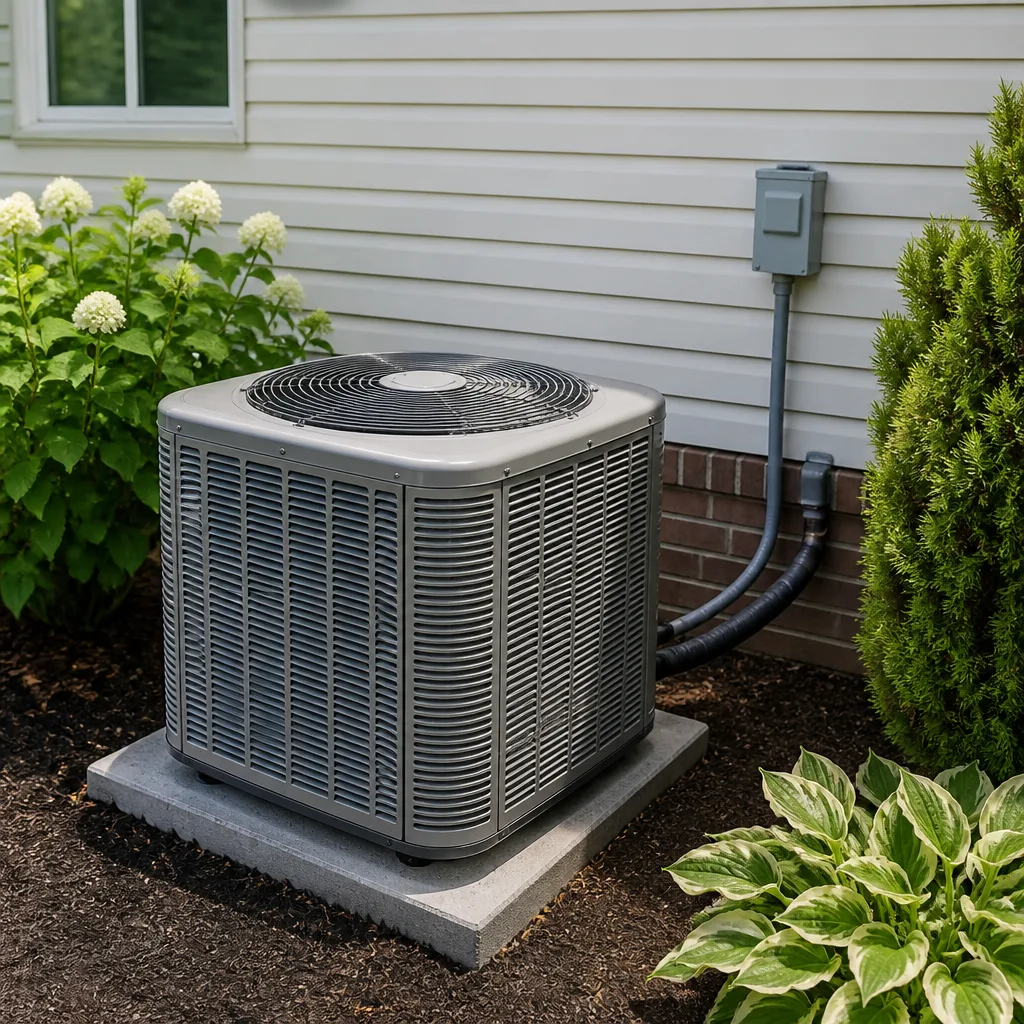
 AC repair
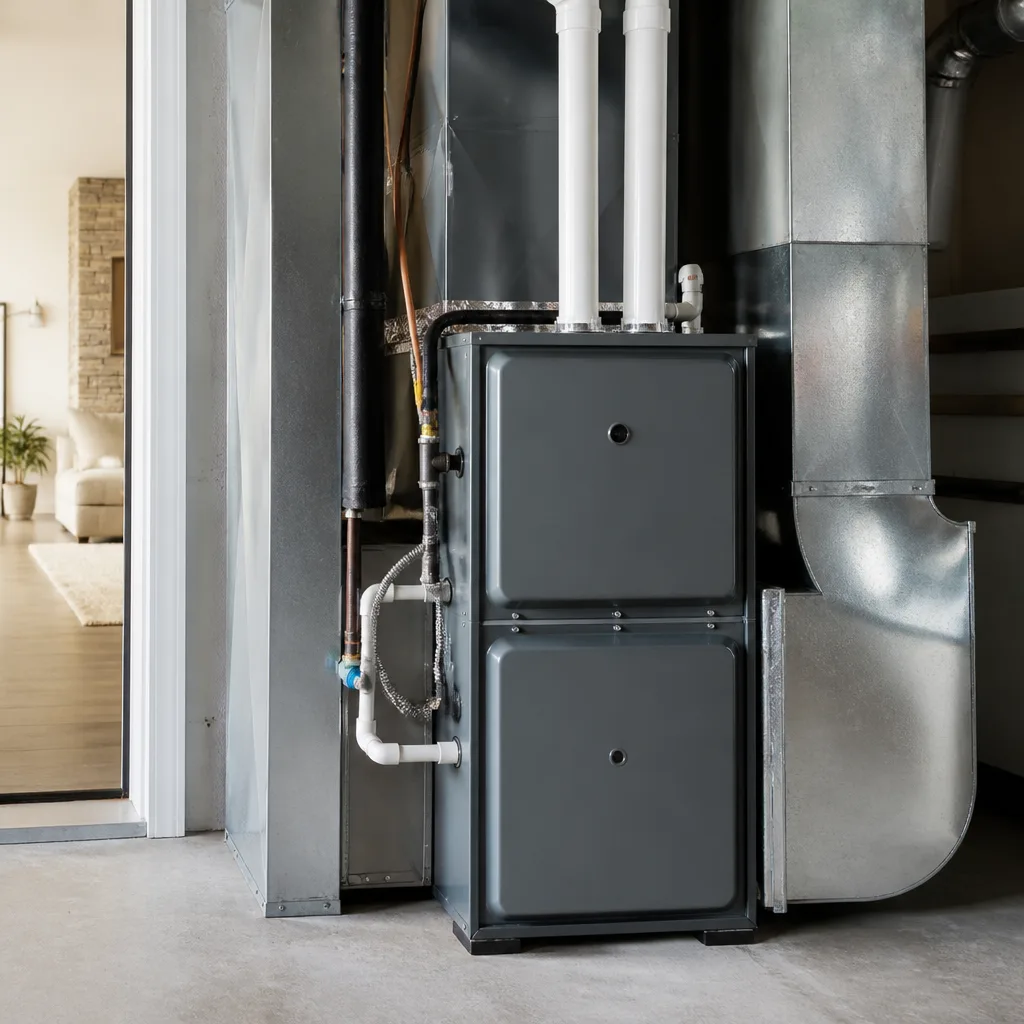 Furnace & heating
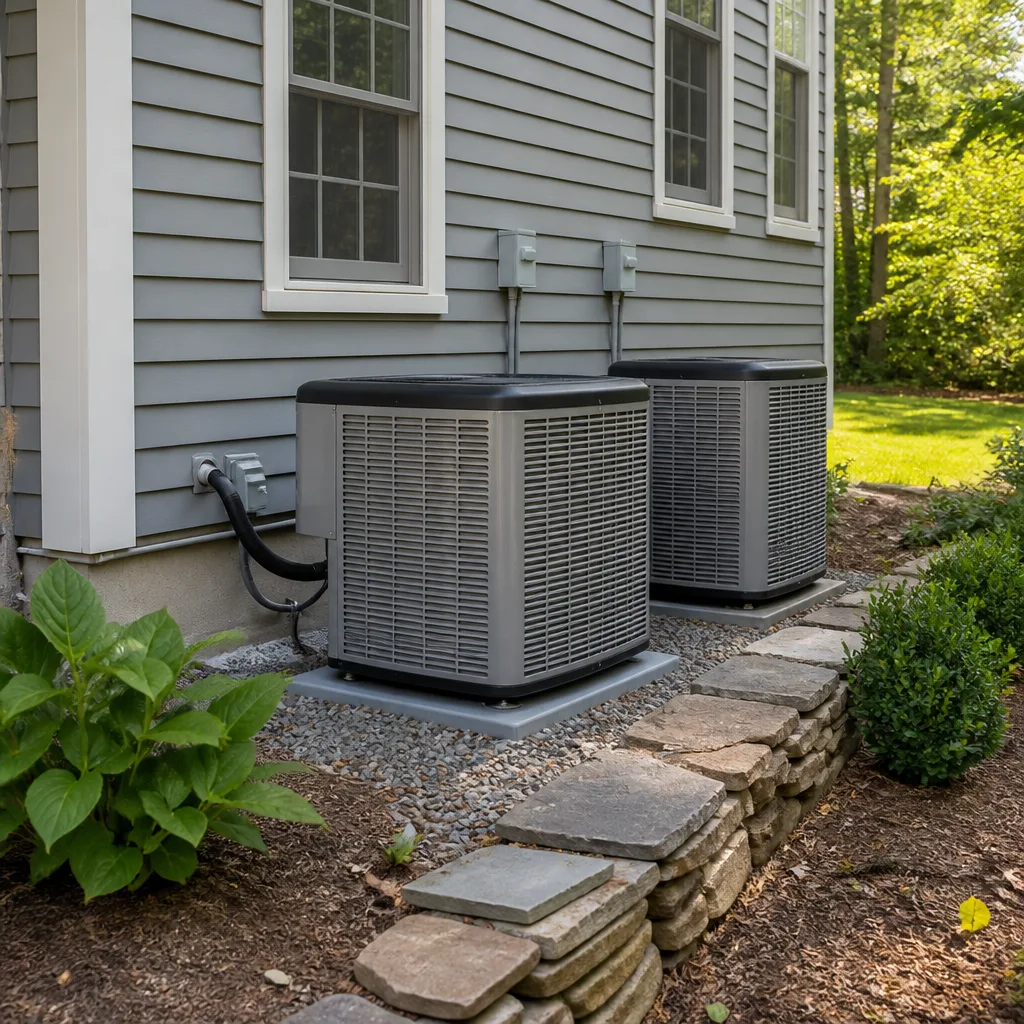 Heat pumps
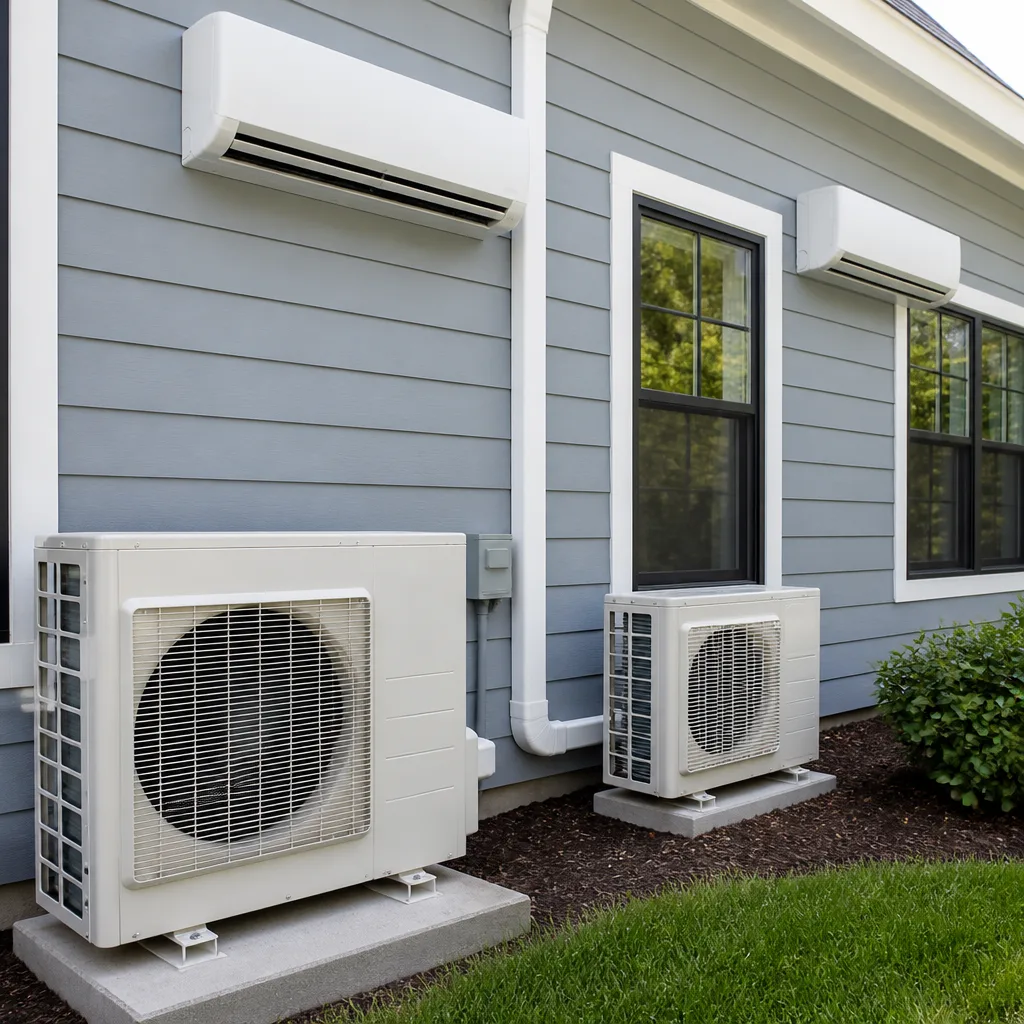 Ductless mini splits
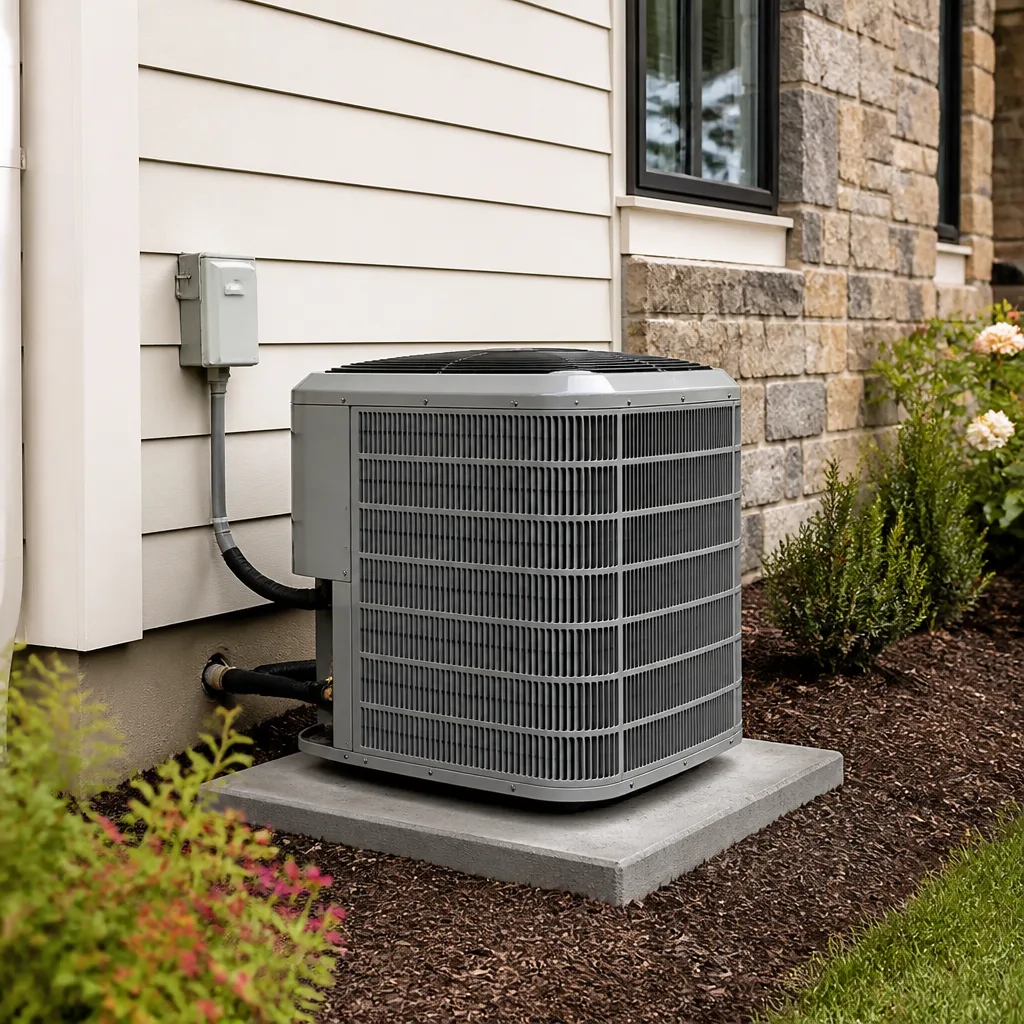 Carrier
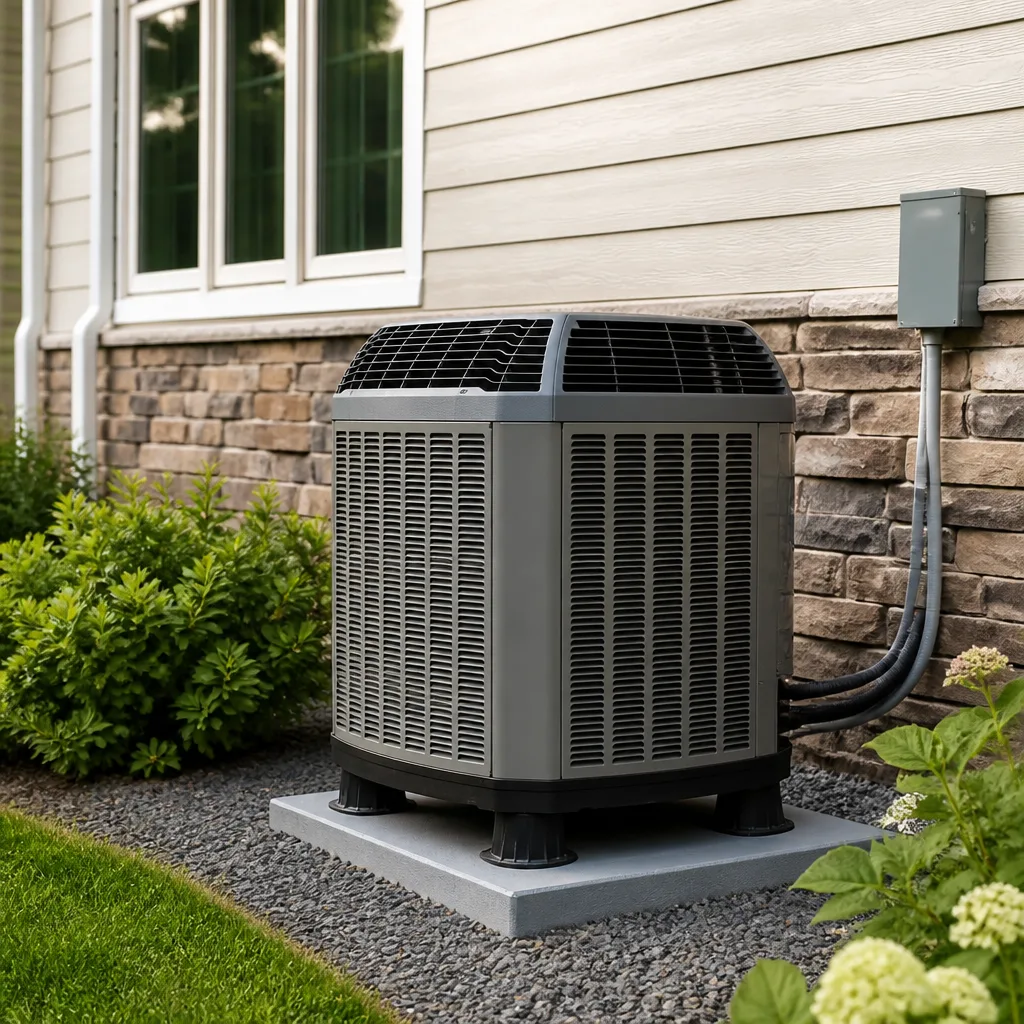 Trane
Trane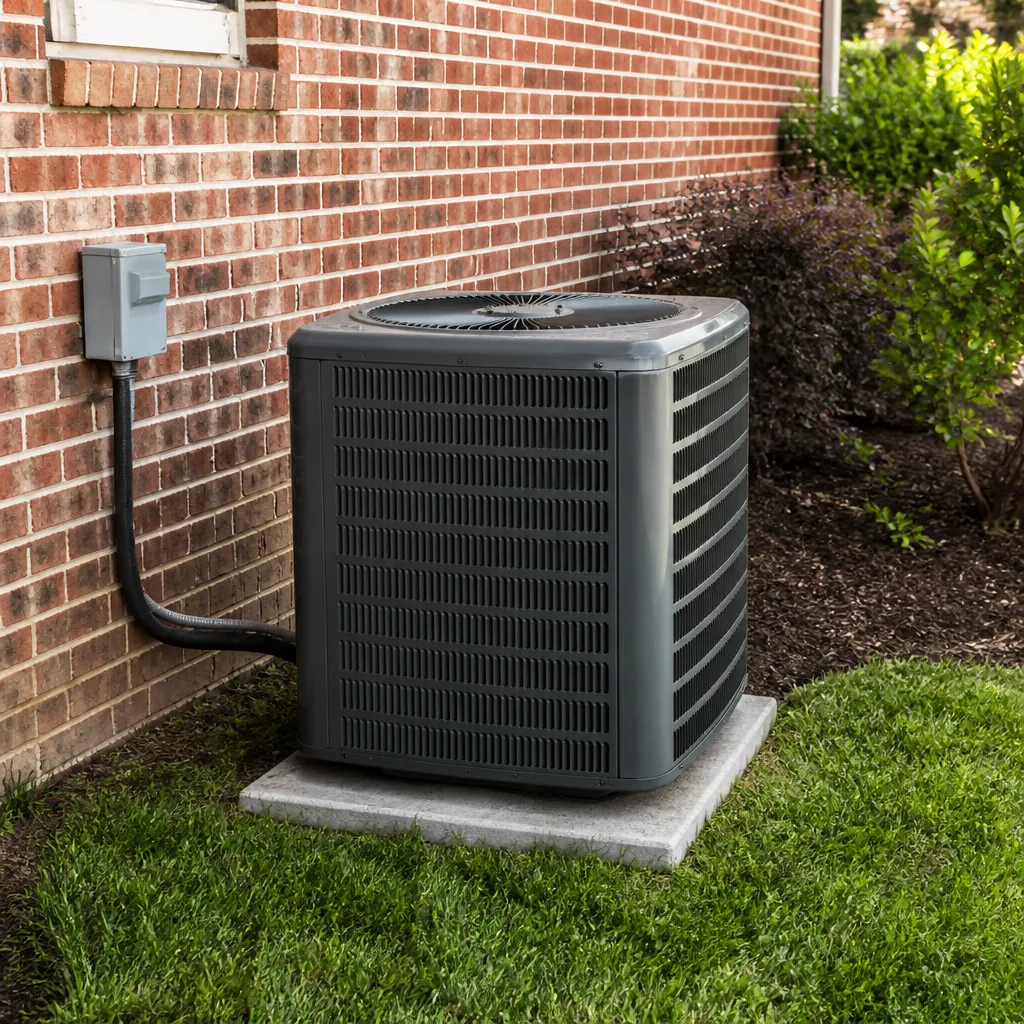 Goodman
Seasonal tune-up and full diagnostic on your Carrier, Trane, or Goodman system - readings shown to you before any repair is proposed
Diagnosis first, numbers second - you approve the repair price before a single part goes in.
Get your free estimateDaikin Ductwork Repair: The Yonkers Owner’s Guide
Daikin ductwork repair in Yonkers typically runs between $250 and $750 installed, depending on how much of your duct run has failed and whether we’re sealing joints, replacing a collapsed section, or re-hanging sagging trunk lines. Most jobs are done same-day when we can access the affected section, and every repair includes a written price before we touch anything.
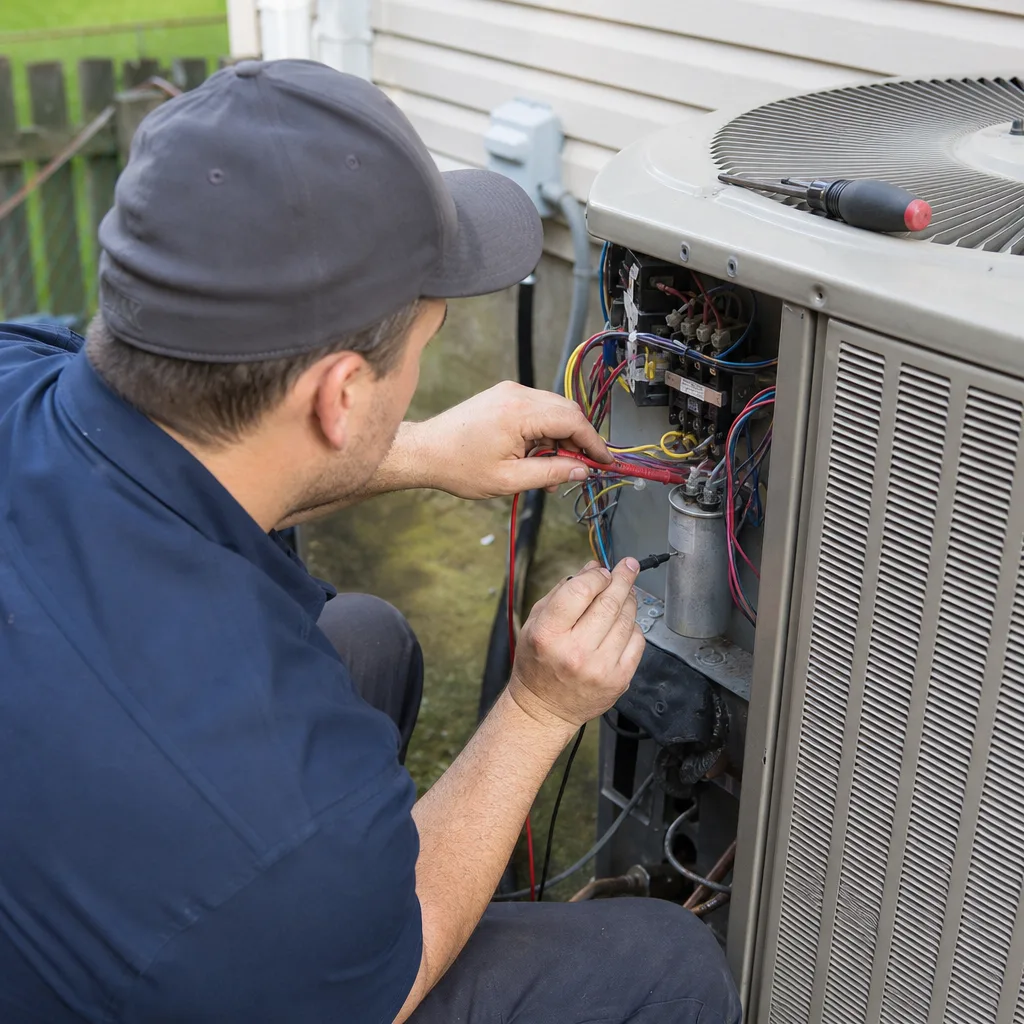
If you’re reading this, you’ve probably already noticed the signs: a room that never gets warm in winter, a whistling sound behind the drywall, or a musty smell when the blower kicks on. That’s how ductwork fails here in Yonkers, slowly, behind walls and above ceilings, until the system you paid good money for is leaking conditioned air into places you don’t live.
Which Daikin Models This Applies To
We see ductwork issues across the full Daikin residential lineup here in Yonkers: the DM96VC and DM97MC gas furnaces, the DX and DZ series heat pumps, and especially the Daikin Fit systems that have become popular in older homes around Getty Square and up toward Lincoln Park.
One thing that trips up a lot of owners: Daikin equipment has a model number that tells you almost nothing about the ductwork connected to it. Ductwork is not Daikin-specific. It’s sized to your home’s layout and your blower’s static pressure, not to a brand. That said, Daikin’s variable-speed blowers and inverter-driven systems are more sensitive to duct leakage than older single-stage equipment. A leak that a 1990s furnace could muscle through will cause a Daikin Fit to ramp down, throw a code, or run inefficiently.
For fittings like collars, takeoffs, and dampers, OEM Daikin parts exist but honestly, most of what we install comes from quality sheet metal suppliers like Sheet Metal Connectors or Ductmate, which meet or exceed OEM spec at a lower price. When it comes to flexible duct, the key spec is R-value, not brand. In Yonkers attics that hit 130 degrees in August and drop below freezing in January, we spec R-8 insulated flex as a minimum. R-6 is code in some areas but it sweats in our humidity.
Styles & brands we work with
Signs Your Daikin Ductwork Repair Is Failing
- Rooms with inconsistent temperatures. You set the thermostat to 72 and the living room feels fine, but the upstairs bedroom is 10 degrees off. That is almost always a duct leak or a disconnected run bleeding conditioned air into an attic or crawlspace before it reaches the register.
- A spike in your Con Edison bill with no change in usage. When 20 to 30 percent of your heated or cooled air is escaping into unconditioned space, your Daikin system runs longer to hit the set point. Longer runtimes show up on the bill in Yonkers within a billing cycle or two.
- Dust accumulating fast on furniture. Return-side leaks pull in air from attics, basements, and wall cavities. That air carries insulation fibers, dust, and whatever else is up there. If you’re dusting weekly and it still looks like a western movie set, your return ducts are likely pulling from the wrong places.
- A whistling or fluttering sound near vents. A separated joint or a tear in flex duct changes the air pressure profile. The noise you hear is air squeezing through a gap that should not exist.
- Musty or stale smell when the blower runs. Return leaks can draw air from crawlspaces or damp basements. In Yonkers, where basements run humid from April through October, that smell is a dead giveaway that your return side is compromised.
See the difference
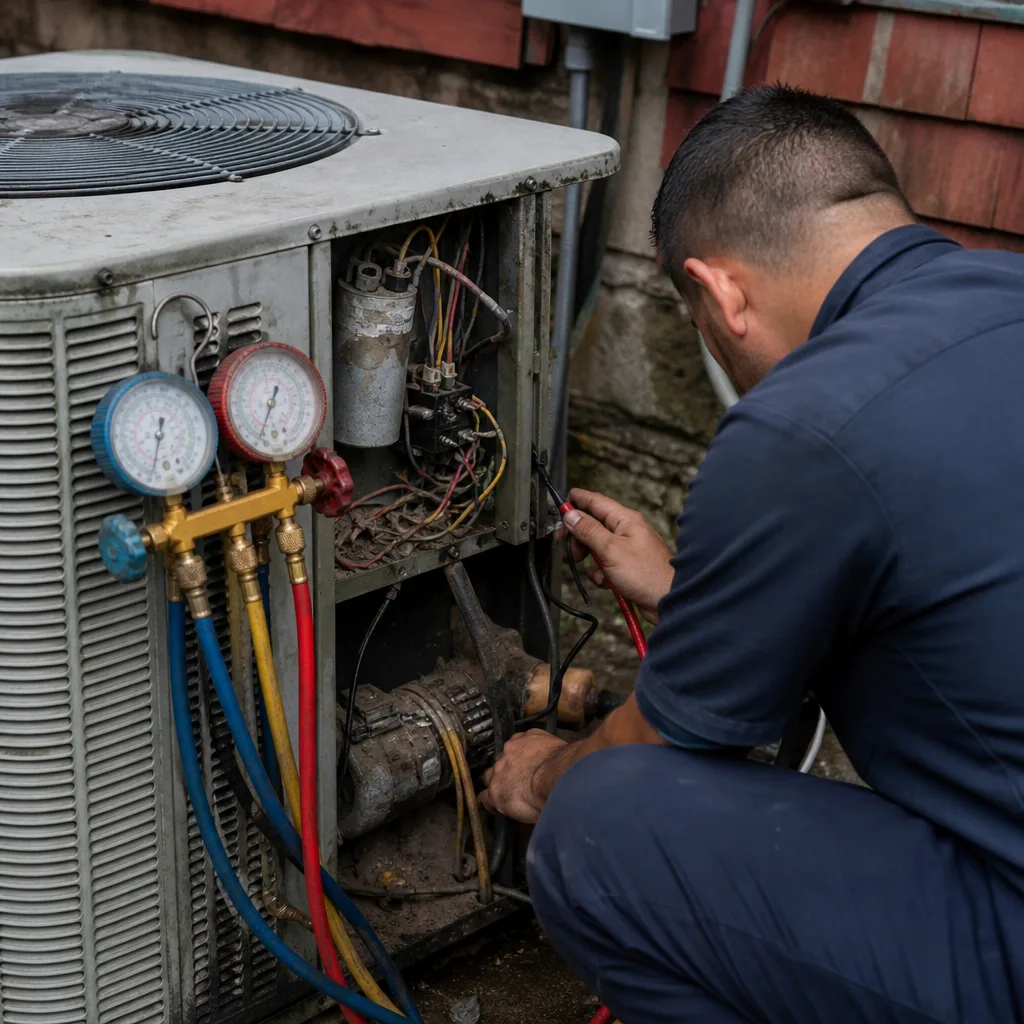 Before
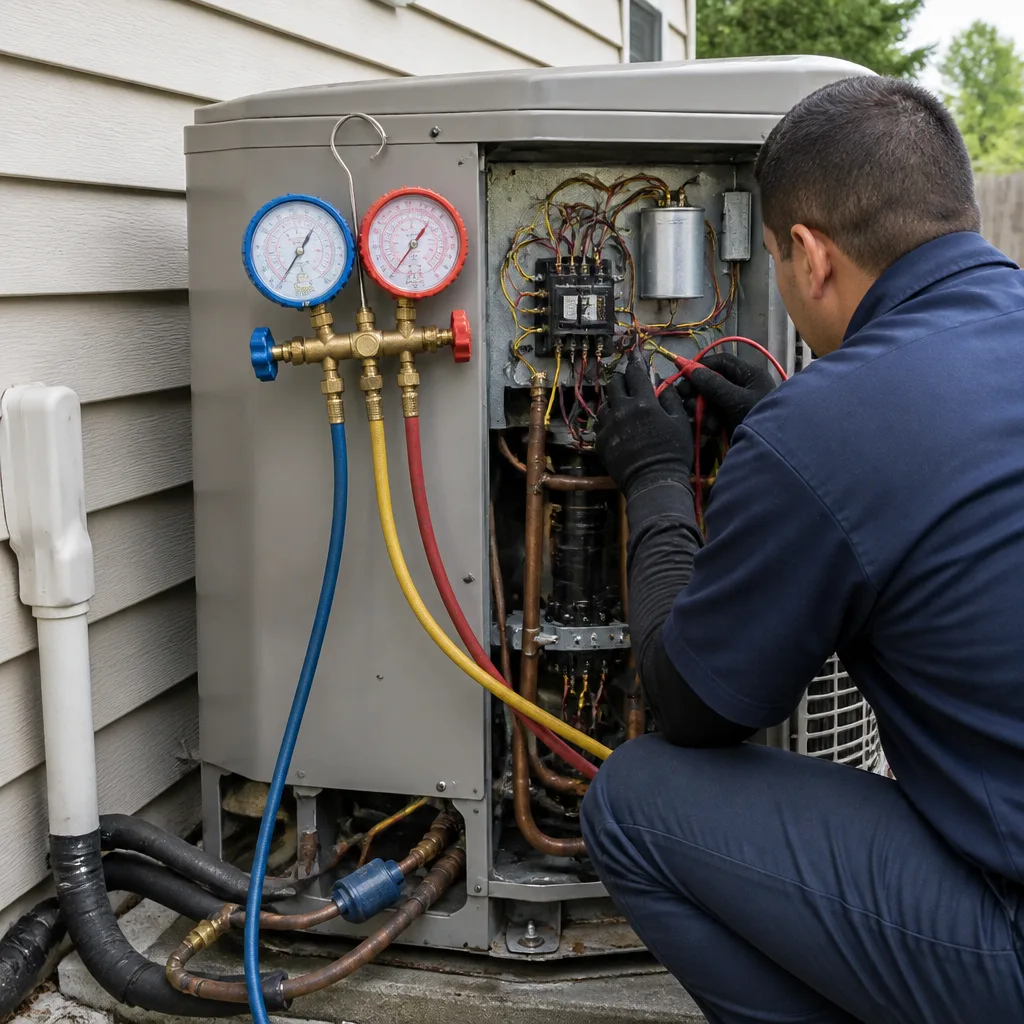 After
After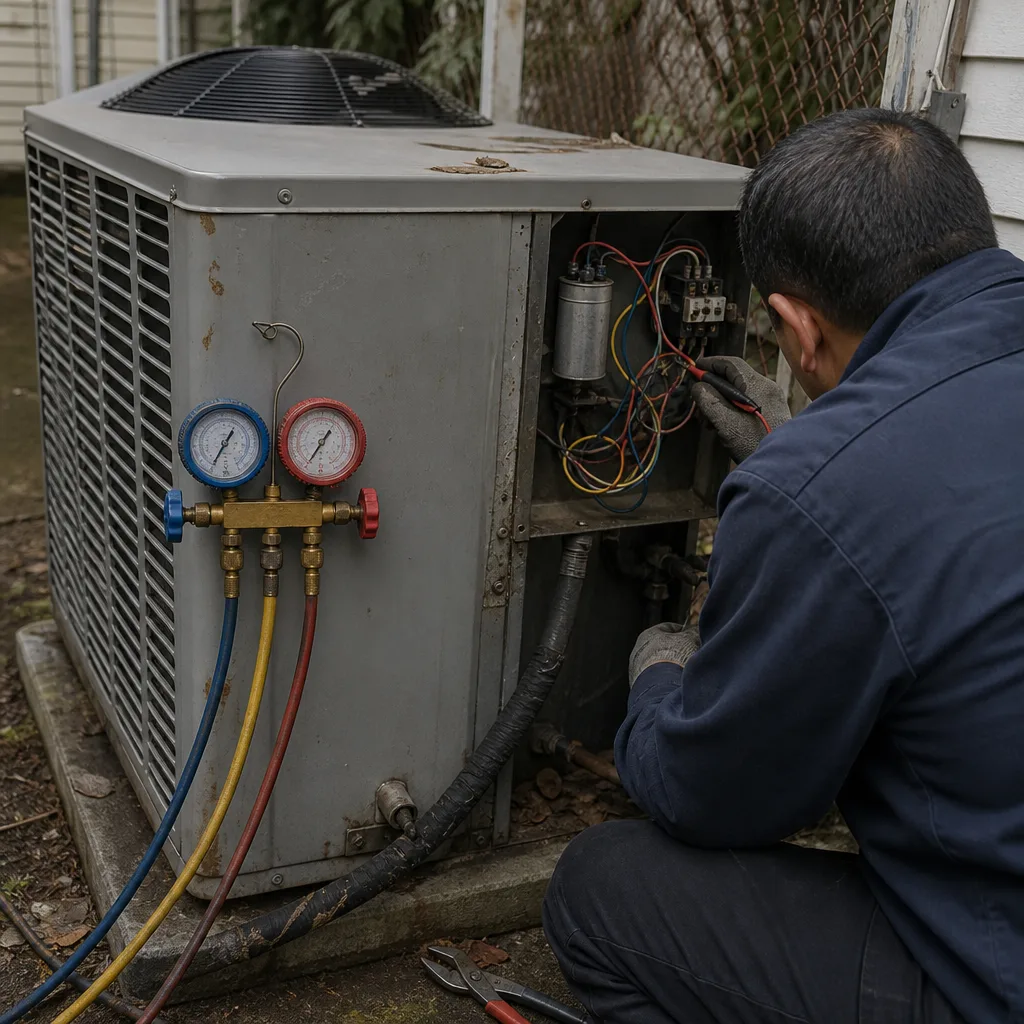 Before
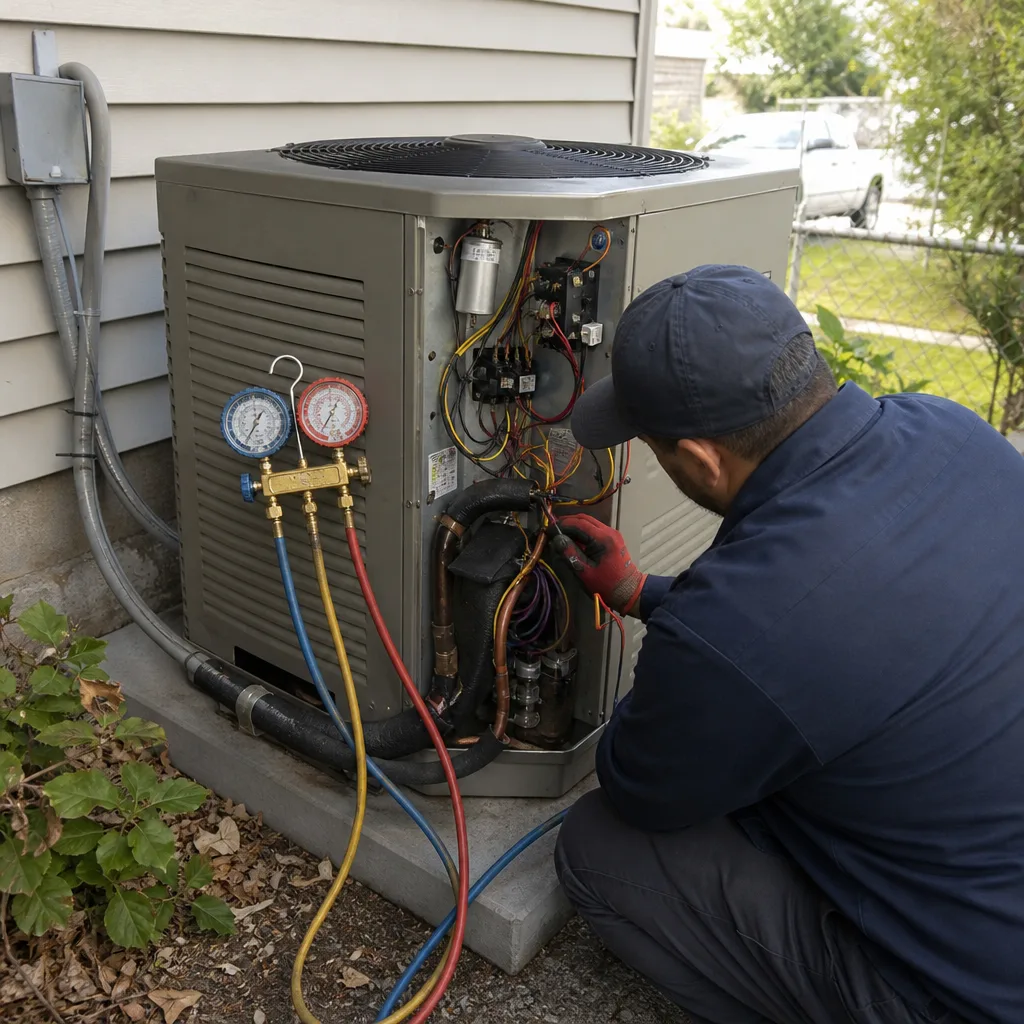 After
After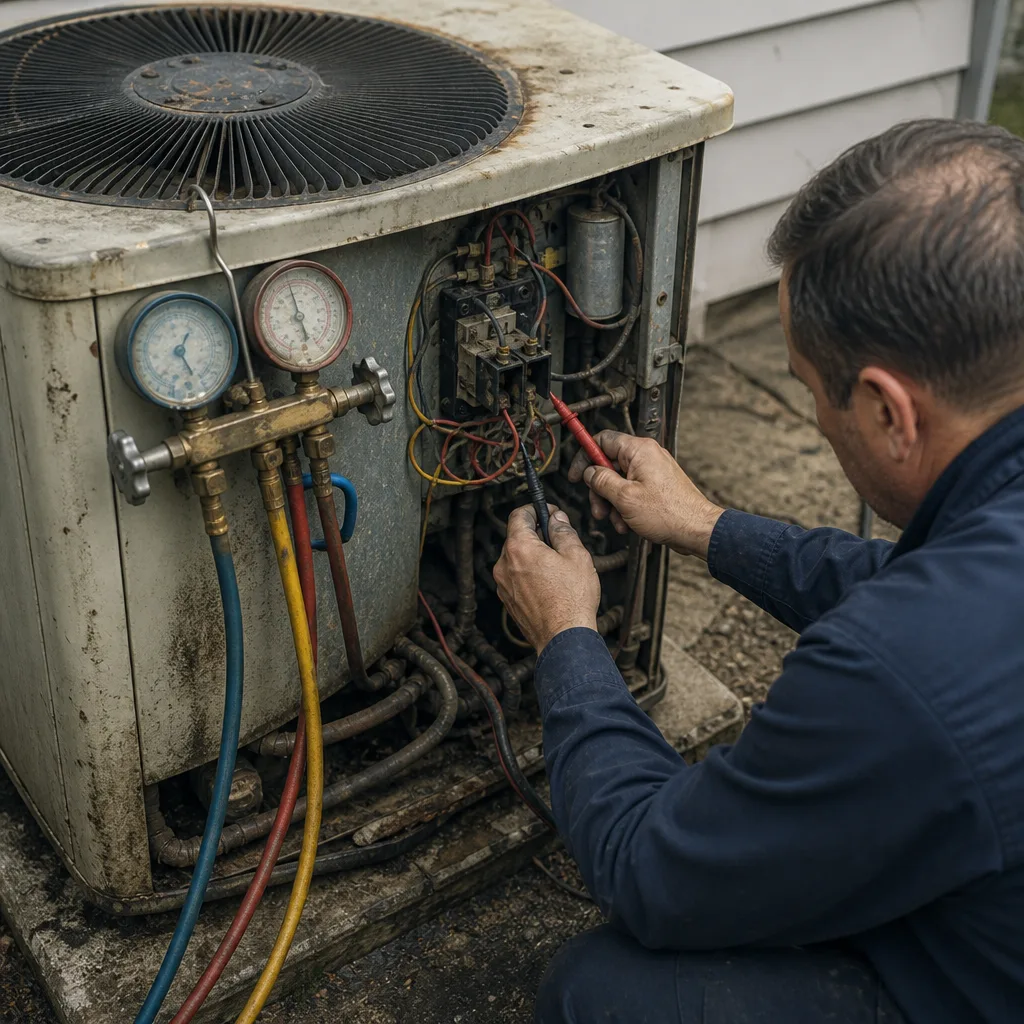 Before
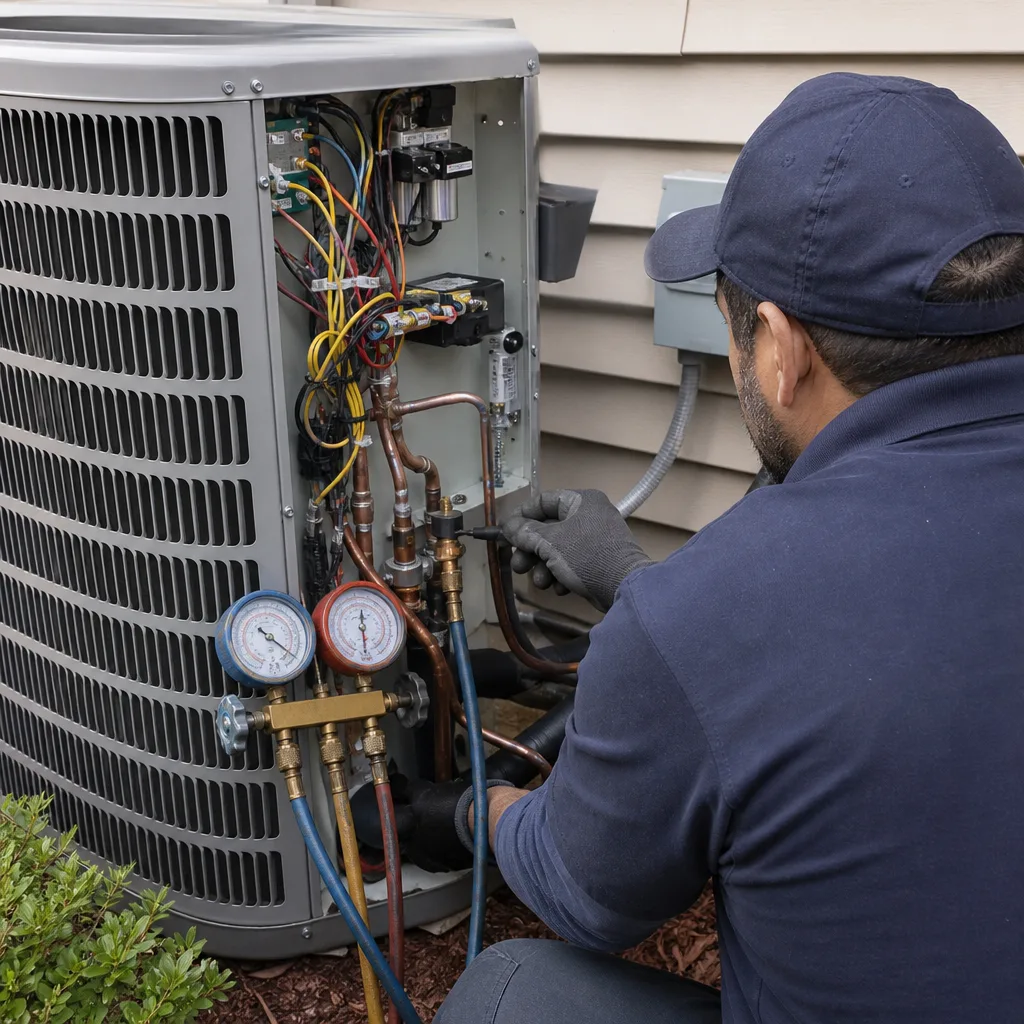 After
AfterReplacement Cost & What’s Included
Here is what you should expect to pay in Yonkers for Daikin ductwork repair, installed, with a written guarantee:
- Sealing an accessible duct joint or small leak: $250 – $450. We use mastic sealant plus foil tape on rigid duct, or a splice collar and tension band on flex. Usually a one-person, one-hour job.
- Replacing a section of flex duct (up to 10 feet): $350 – $600. Includes new R-8 flex, two connections, and re-securing with proper hangers. Attic access drives the labor here.
- Re-hanging sagging duct and adding support: $300 – $550. Sagging duct gets creased internally, restricting airflow. We re-strap it every 4 to 5 feet per code.
- Replacing a section of rigid duct or trunk line: $500 – $750+. This is the big one. Custom sheet metal fabrication, cutting out the failed section, and sealing both ends. Common in older Yonkers homes where original ductwork dates back decades.
Every one of these prices is a written quote before work starts. No surprise line items when the job is done. And every repair carries the 365-Day Done Right Promise: if it fails within a year, we come back at no charge. That’s not a courtesy. That’s in writing.
DIY or Call Us?
You can absolutely inspect your own ductwork, and we encourage it. Go to the attic or basement with a flashlight. Look for separated joints, torn foil on flex runs, or sections that have dipped and pulled apart. You can feel along the joints with your hand while the blower runs to find air leaks. What you should not do is play sheet metal surgeon in a cramped Yonkers attic in July. Attics reach 130 degrees in the summer here, the spaces are tight, and one wrong cut in a trunk line turns a $400 repair into a $900 replacement.
There is also a safety consideration: ductwork above drop ceilings or in older homes near Getty Square can sit close to wiring, plumbing, and in some cases, vermiculite insulation that should not be disturbed. If you see anything that looks like small pebbles up there, stop and call us. Andre Fuller grew up in Los Angeles learning this trade at LA Trade-Technical College, and one of the first things he teaches every tech is that respect for an attic is not optional. I’d rather give you a real number upfront than a good story after the fact.
If you want a second pair of eyes, call (838) 213-7827. A technician will give you a straight read on what’s actually leaking and what it costs to fix, in writing, before any work starts.
FAQs
Plan on 15 to 25 years for properly installed rigid duct in Yonkers, and 10 to 20 for flex duct, less if it runs through an unconditioned attic that swings from 130 degrees in summer to below zero in winter. Our freeze-thaw cycles are hard on foil tape and mastic, which is why we see joint failures more often here than in milder climates.
Yes, and in most cases it should be. A separated joint, a small tear, or a sagging run is a repair job. Full replacement usually only makes sense when the duct is crushed, rusted through, or so badly sized that patching it will not fix the airflow problem.
Most repairs take 90 minutes to 3 hours on site. Sealing a few joints is quick. Replacing a trunk line section in a tight attic can push to a half-day. Either way, you get a written price first, and we show up with a live arrival time you can track to your door.
Yes. Our Yonkers trucks carry R-8 flex duct in the most common diameters (6-inch through 12-inch), takeoff collars, dampers, mastic, foil tape, hanger strap, and sheet metal for on-site fabrication. We also stock parts for Carrier, Trane, and Lennox systems.
If your Daikin system is moving air to the wrong places, or blowing conditioned air into your Yonkers attic instead of your living room, call (838) 213-7827 for a free estimate. A real person answers, 24/7. Book online, get a live arrival time, and see the written price before any work begins.
Written by Andre Fuller, Owner, Halden Heating and Air Yonkers at Halden Heating and Air Yonkers, serving Yonkers and nearby areas.