
Last updated October 16, 2026
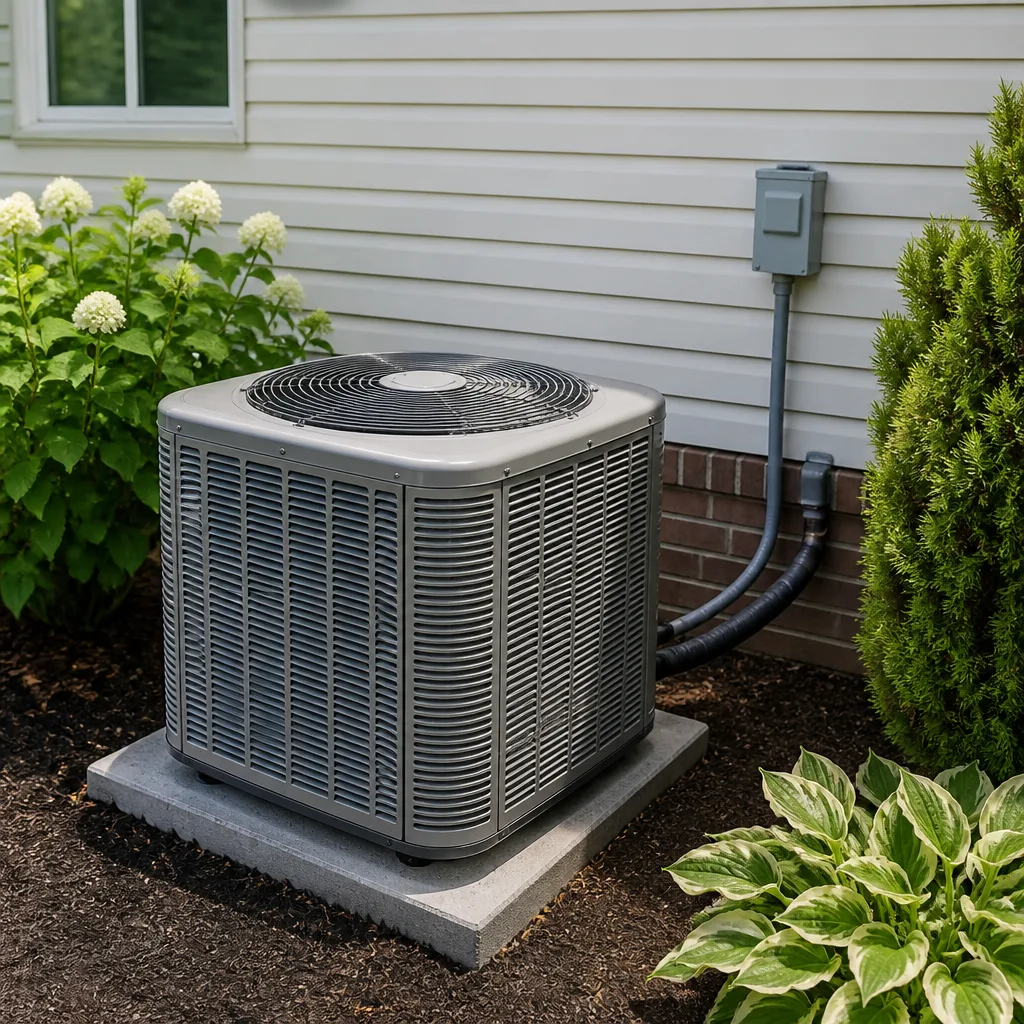 AC repair
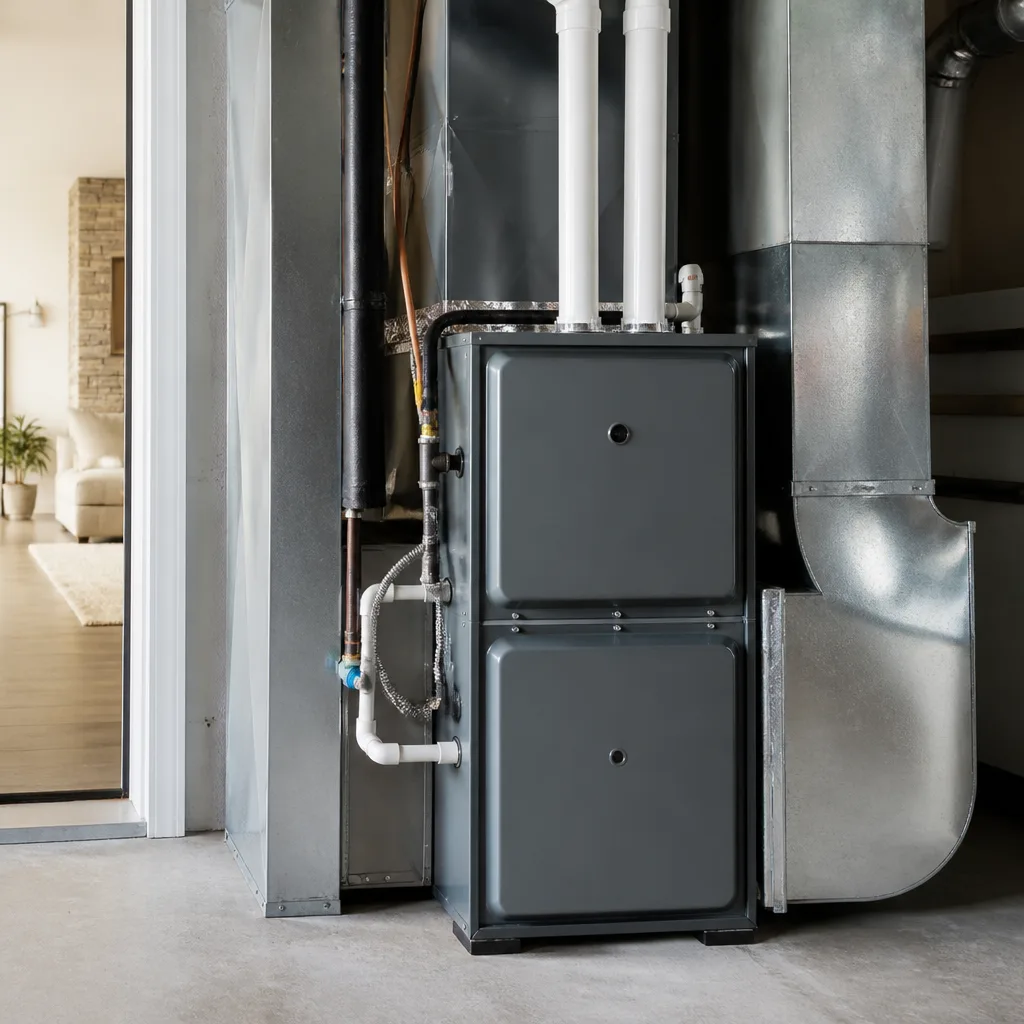 Furnace & heating
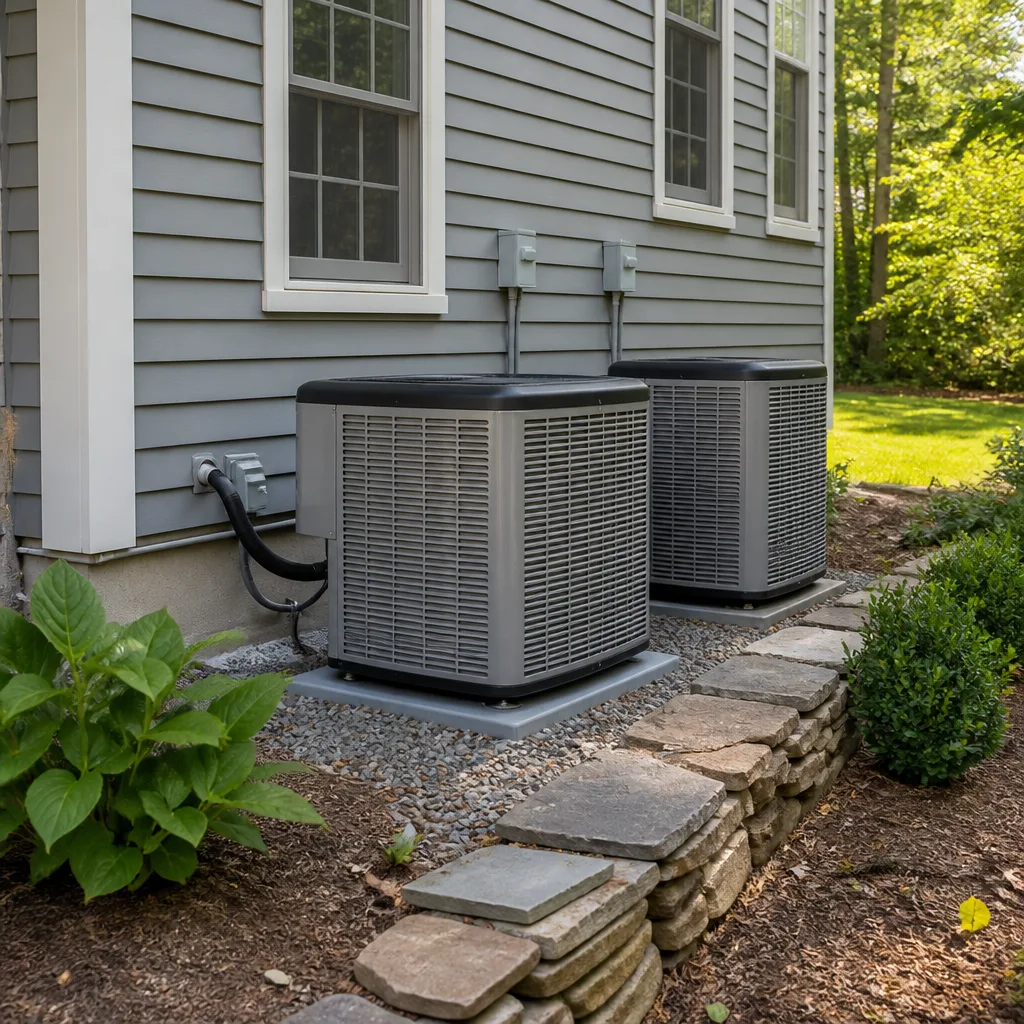 Heat pumps
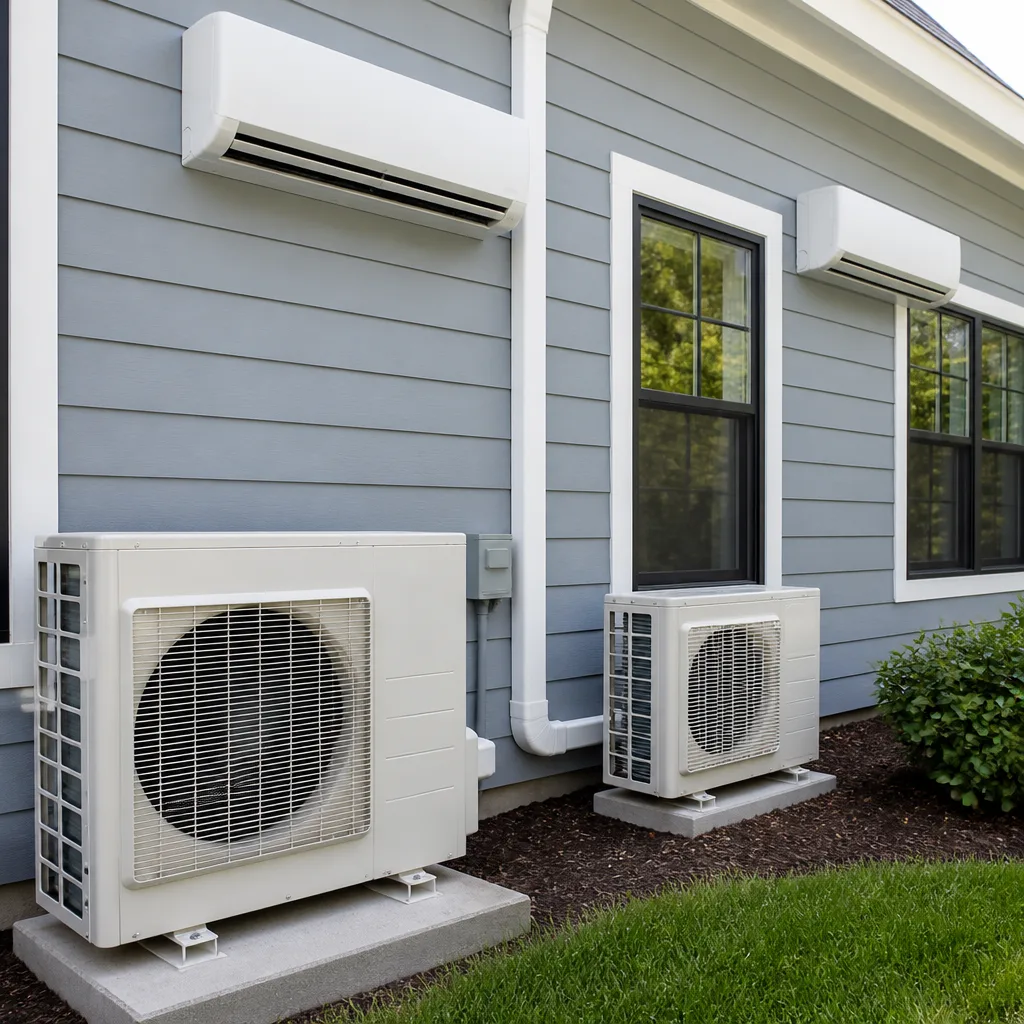 Ductless mini splits
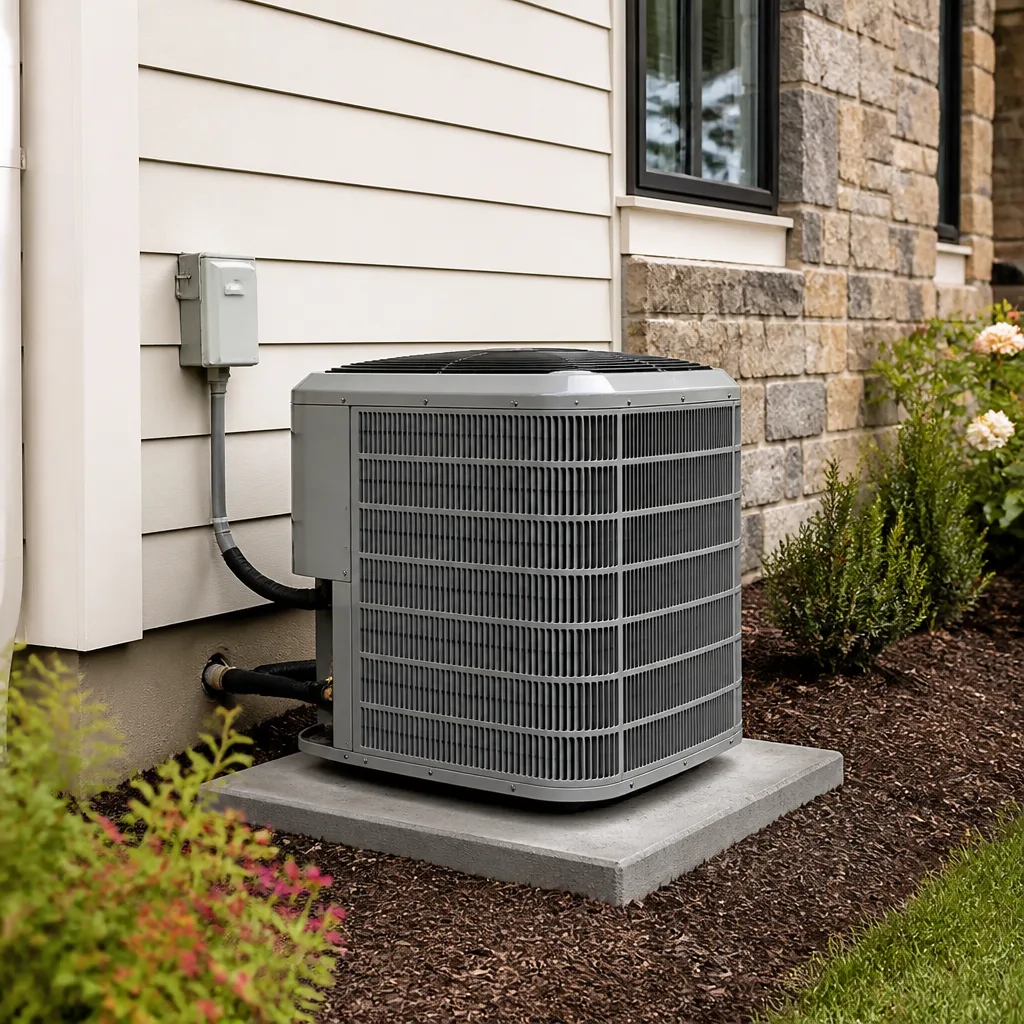 Carrier
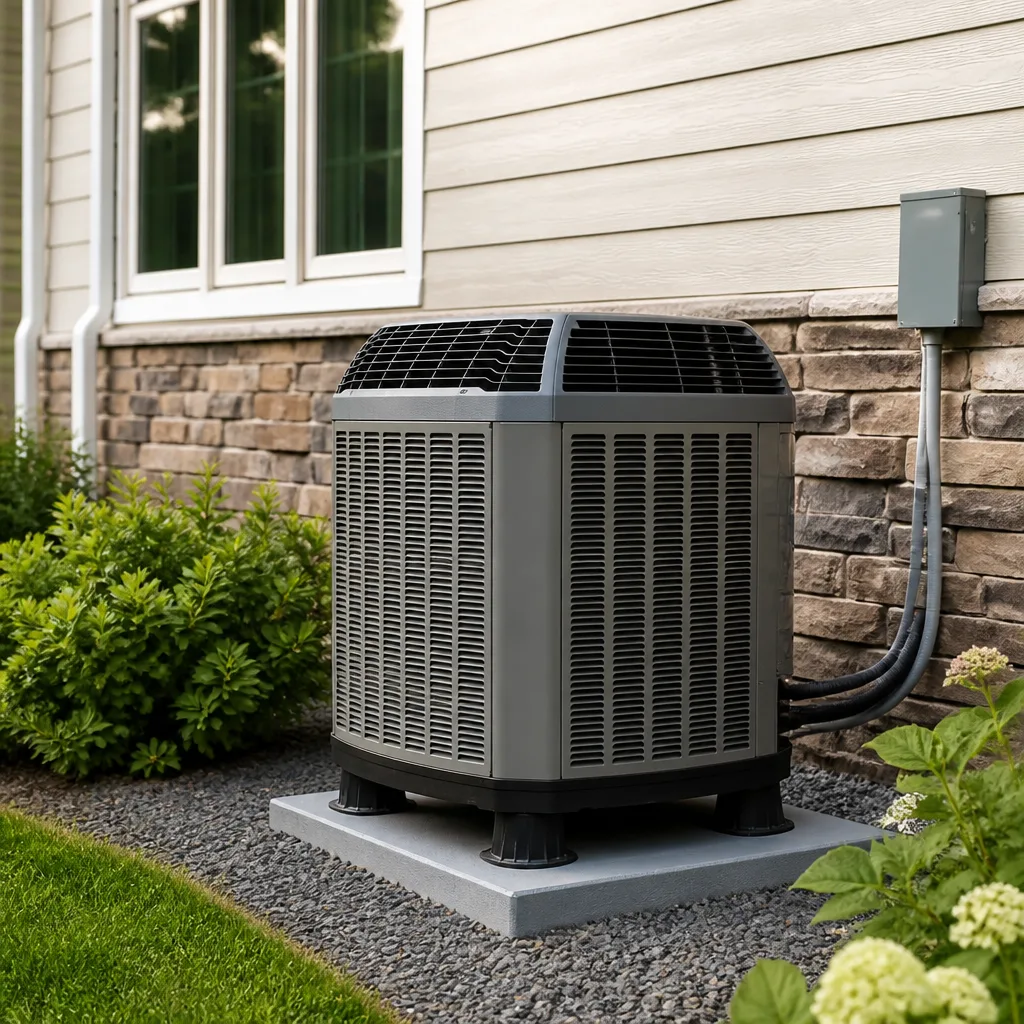 Trane
Trane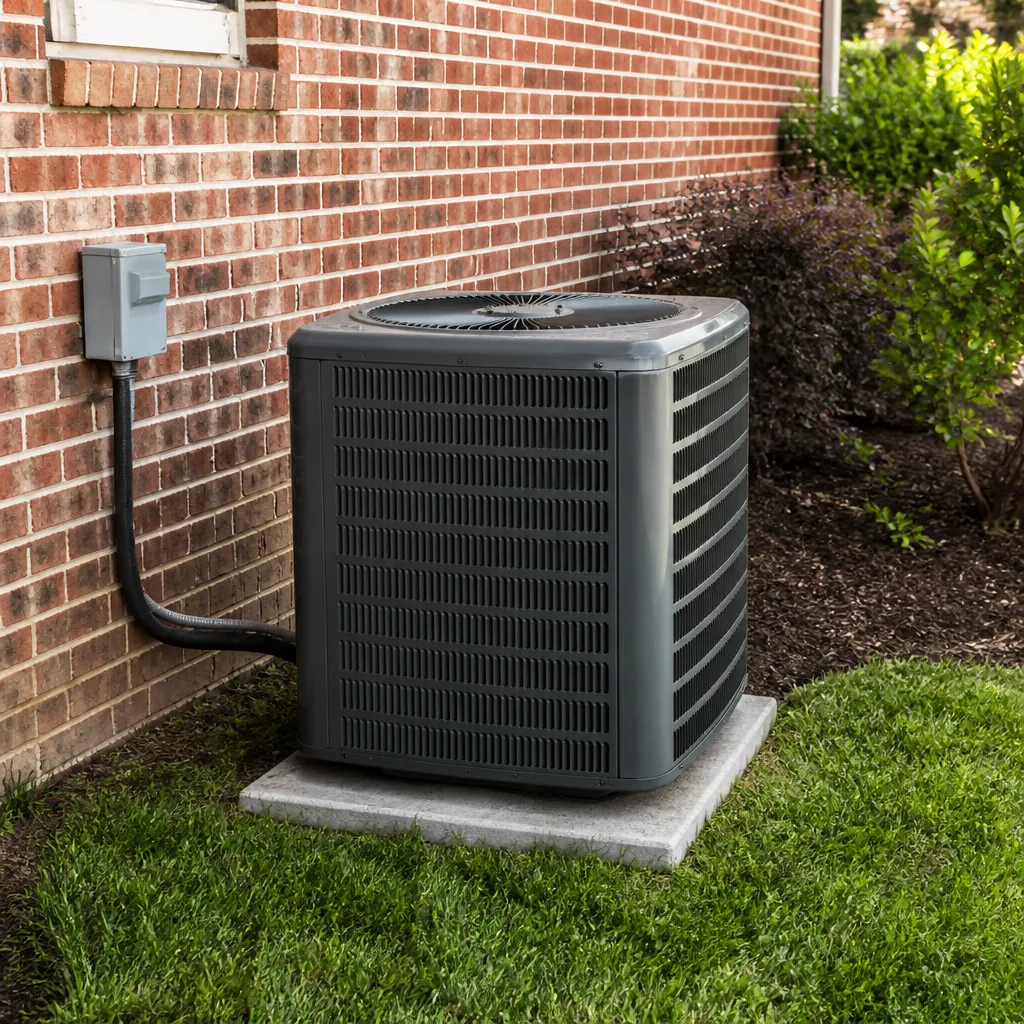 Goodman
Seasonal tune-up and full diagnostic on your Carrier, Trane, or Goodman system - readings shown to you before any repair is proposed
Diagnosis first, numbers second - you approve the repair price before a single part goes in.
Get your free estimateDIY vs Professional HVAC: The Yonkers Homeowner’s Decision Guide
Here’s a stat that stops most Yonkers homeowners mid-scroll: recharging your own air conditioner’s refrigerant isn’t a “risky DIY project” – it’s a violation of the federal Clean Air Act that carries a maximum fine of $44,539 per violation. Changing your own air filter? Legal, smart, and takes 90 seconds. The line between “homeowner maintenance” and “federal offense” runs straight through your HVAC system, and most people never learn where it is until it’s too late. This guide draws that line precisely, using Yonkers-specific code requirements, real warranty fine print, and the pricing data we’ve gathered from 20 years of service calls across Westchester County. For more guides & resources, see our blog. By the end, you’ll know exactly which HVAC tasks are yours, which ones require a pro by law, and which ones sit in a gray zone where your call depends on how much you value your time.
Styles & brands we work with
Quick Answer
Most Yonkers homeowners should handle three HVAC tasks themselves: changing air filters, clearing debris around the outdoor condenser, and checking thermostat batteries. Everything involving refrigerant, gas lines, or electrical connections requires a licensed professional by federal and New York State law – attempting those yourself risks a $44,539 EPA fine, a voided manufacturer warranty, and a repair bill that’s roughly twice what the original fix would have cost.
Table of Contents
- The Legal Boundary: What Yonkers Homeowners Can and Cannot Touch
- Warranty Fine Print: The DIY Moves That Void Manufacturer Coverage
- The Real Cost Comparison: What DIY Actually Saves You in Yonkers
- The Middle Path: Prep Work You Can Do Before a Technician Arrives
- How to Tell If a Repair Recommendation Is Genuine or Just Profitable
- Tool Rental, Time, and Hidden Costs: The DIY Math Most People Skip
- Yonkers Seasons: Why Climate Changes the DIY-Vs-Pro Decision
- Common Mistakes to Avoid
- When to Call a Professional
- Frequently Asked Questions
- The Bottom Line
The Legal Boundary: What Yonkers Homeowners Can and Cannot Touch
Let’s start with the rule that separates a smart weekend project from a federal violation. The Environmental Protection Agency requires anyone handling refrigerant – the coolant that makes your AC blow cold – to hold an EPA Section 608 certification. No certification, no touching refrigerant. Not the recharge, not the recovery, not even adding a can of stop-leak from a hardware store. The fine for a violation is $44,539 per occurrence. Per occurrence. If a contractor guts your system and finds three points where refrigerant escaped, that’s potentially three violations.
New York State adds another layer. Any work involving gas lines – that’s your furnace, your boiler, your water heater – requires a licensed plumber or HVAC contractor with the proper certifications. Electrical work connecting a condenser, air handler, or thermostat to your panel requires an electrical permit pulled by a licensed electrician or a contractor working under one. These aren’t suggestions. They’re legal requirements written into Westchester County code, and your homeowner’s insurance policy almost certainly contains language denying claims for damage caused by unlicensed work.
Here’s the breakdown for Yonkers specifically:
- Safe to DIY in New York State: Changing air filters, cleaning condenser fins with a garden hose (power off), clearing leaves and debris from around the outdoor unit, replacing thermostat batteries, checking and resetting breakers, and visually inspecting ductwork for obvious leaks. None of these require a license, a permit, or specialized certification.
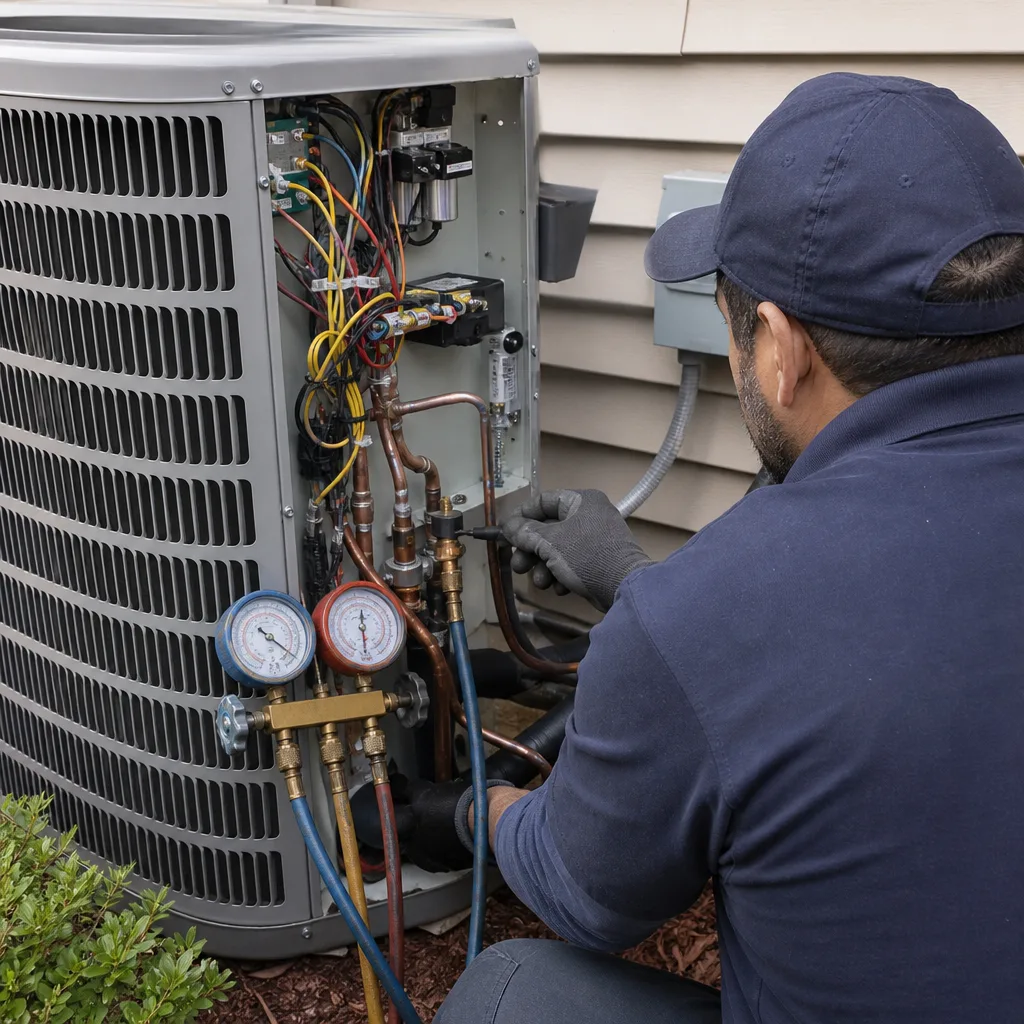
- Requires EPA 608 certification by federal law: Adding refrigerant, recovering refrigerant, repairing refrigerant lines, replacing a compressor or evaporator coil (because both involve opening the sealed refrigerant system), and diagnosing a leak using dye or electronic detection. Homeowners legally cannot purchase refrigerant for their own AC unit – the EPA restricts sales to certified technicians only.
- Requires a New York licensed contractor and permits: Installing a new furnace or heat pump, running new gas lines, replacing a gas valve, moving or installing electrical disconnects, and any structural modification to accommodate new equipment. In Yonkers, the Building Department requires permits for mechanical equipment replacement, and the permit must be pulled by a licensed contractor. Getting caught without one means fines, potential stop-work orders, and a disclosure problem when you sell the house.
- Gray zone that’s still not worth it: Replacing a capacitor, swapping a contactor, or installing a smart thermostat. These technically fall under “electrical work,” but some homeowners tackle them anyway. Here’s the thing: a capacitor holds enough voltage to stop your heart, and a miswired thermostat can fry a $900 control board. We get called out to Yonkers homes at least once a month to fix a thermostat install that went sideways.
Yonkers’ housing stock makes this especially tricky. We work in old homes in Park Hill, Lincoln Park, and Bryn Mawr that still have original knob-and-tube wiring or Frankenstein’d HVAC systems where three generations of homeowners each added their own “fix.” What looks like a simple thermostat swap on YouTube often turns into identifying wires that don’t match any modern color code. That’s when a 30-minute DIY project becomes a four-hour diagnostic call.
Warranty Fine Print: The DIY Moves That Void Manufacturer Coverage
Here’s the part nobody reads until it’s too late. Your Trane, Lennox, or Goodman unit ships with a 10-year parts warranty if you register it within 60 days of installation. Read the fine print on page 14 of that warranty packet and you’ll find language that gives the manufacturer an out: “Damage caused by improper installation, unauthorized repair, or failure to perform recommended maintenance.”
Here’s the translation: open your condenser to replace a fan motor yourself, and Goodman can deny the compressor claim two years later because it can’t verify the job didn’t contaminate the system. Mix the wrong refrigerant type – and yes, there are multiple types, including R-410A and the newer R-454B that many 2025 and 2026 Yonkers installs use – and the entire system warranty is void. Manufacturers don’t need to prove your DIY caused the failure. They only need to show that unauthorized work occurred.
The DIY warranty-killers we see most often in Yonkers:
- Overcharging refrigerant with a parts-store can: That R-134a can in the automotive section is not the same as the refrigerant in your home AC. Contaminating an R-410A system with the wrong gas destroys the compressor, and the manufacturer’s first question will be “who added refrigerant?”
- Pressure-washing the condenser coil: Those fins are thin enough to fold over under pressure-washer force. Bent fins reduce airflow, which causes overheating, which kills compressors. The warranty claim gets denied because “improper maintenance” is listed as an exclusion. Use a garden hose with a gentle spray and a fin comb instead – or just call someone.
- Replacing a circuit board with a universal part: Universal boards work. Until they don’t. If the wrong board sends improper voltage to a component and that component fails, the manufacturer voids the entire unit warranty. The $80 you saved on a universal board just cost you a $2,100 compressor.
- Removing the compressor’s hard-start kit because “it wasn’t doing anything”: That little capacitor exists to reduce the electrical surge when the compressor kicks on. Removing it shortens compressor life. We’ve replaced too many dead compressors in Yonkers homes where the hard-start kit mysteriously vanished during a “simple tune-up.”
The people at the parts counter won’t tell you any of this. Neither will the YouTube tutorial. But when the failure happens and you’re staring at a $4,000 replacement instead of a covered warranty fix, the fine print gets very clear very fast.
The Real Cost Comparison: What DIY Actually Saves You in Yonkers
Let’s talk money with actual Yonkers numbers, because “DIY saves money” is true right up until it isn’t. Here’s the cost framework we use when homeowners ask us to be straight about when they should try something themselves versus calling a pro, and for detailed pricing see our HVAC Cost Breakdown: The Yonkers Homeowner’s Reference for 2026.
The honest math on the three tasks that are genuinely yours to do:
- Air filter replacement: A MERV-8 filter costs $12 – $18 at any Yonkers hardware store or online. Takes 90 seconds. A technician doing it during a tune-up charges $20 – $30 for the filter plus $89 – $129 for the visit. The DIY savings are real and repeatable. Do this one yourself.
- Clearing the condenser area: Pulling weeds, leaves, and debris away from the outdoor unit costs $0 and takes 20 minutes. A company that charges $89 for a “condenser cleaning” that’s really just this is charging you $267 an hour for yard work. Do this yourself too.
- Thermostat battery replacement: The batteries cost $4. If your thermostat is blank, check the batteries before you do anything else. A service call to replace thermostat batteries Costs $89 – $149 depending on the Yonkers company.
Now, here’s what a bad DIY call actually costs when we’re the ones cleaning it up:
- Misdiagnosed electrical issue: You swap a $35 capacitor yourself but the real problem is a failing blower motor drawing excessive amps. Now the capacitor blows again in two weeks, you’ve spent $70 and four hours, and the motor needs replacing anyway. Cost of having called us first: $189 – $325 for the diagnostic and correct fix. Cost of your route: $70 in parts, four hours of your time, and the same $189 – $325 call on top of it.
- Wrong thermostat wiring: You install a $120 smart thermostat, cross the wrong two wires, and fry the $450 control board in your furnace. Now you need a new board ($350 for the part plus labor) and someone to wire the thermostat correctly. Your $120 “savings” just turned into a $1,100 repair.
- Refrigerant top-off without fixing the leak: You can’t legally buy refrigerant, so let’s say you find someone who’ll do it under the table for $150. The leak is still there. The system loses the charge again in six weeks, and now you’ve paid $150 for a temporary fix that a licensed tech would have diagnosed as a leak and quoted as a $350 – $650 repair with a written guarantee. Plus the guy who sold you the refrigerant committed a federal crime.
The pattern is consistent: DIY saves money on maintenance tasks that don’t involve opening sealed systems or touching electrical components. It loses money almost every time it involves diagnosis, refrigerant, or wiring. When we show up after a DIY attempt, the fix costs 30 – 50% more than it would have originally, because we’re not just fixing the problem – we’re undoing someone else’s work first.
The Middle Path: Prep Work You Can Do Before a Technician Arrives
Here’s a smarter strategy than going all-in on DIY: use your time to reduce the technician’s billable hours before they show up. At Halden Heating and Air Yonkers home, we charge honest flat rates, not inflated hourly billing, but prep work still helps us diagnose faster, and that means less time at your house. Here’s what genuinely helps:
- Check the obvious before you call. Is the thermostat set to “cool” and not “heat”? Is the temperature set at least 5 degrees below room temp? Is the breaker in your electrical panel flipped to the “on” position? A surprising number of Yonkers service calls end with us flipping a breaker the homeowner forgot to check. That’s a $0 fix you can do in ten seconds.
- Write down the symptoms with specifics. “It’s not working” is not a useful diagnosis. “The outdoor unit runs but the air coming from the vents is warm” points toward a refrigerant or compressor issue. “The system runs for five minutes then shuts off” points toward an airflow or sensor issue. The more specific you are, the faster we diagnose, and the less time we’re in your crawl space.
- Swap the filter before the visit. If the filter is clogged, it can mimic the symptoms of a much more expensive problem. A clogged filter causes the evaporator coil to ice over, which means warm air and a system that won’t shut off. Change the filter before the appointment and you may save us a 20-minute diagnostic detour.
- Clear access to the indoor unit. In Yonkers’ older homes, the furnace lives in closets, basements, or crawl spaces that have become storage units over the years. Move boxes, old furniture, and seasonal decorations so we can reach the unit without moving your stuff. We’re HVAC techs, not movers, and we don’t want to be responsible for your grandmother’s china.
- Note when the problem started and what changed. Did the system start acting up after a storm? After you had the roof replaced? After you sealed the attic? This kind of timeline information shaves real time off the diagnostic process and helps us find the root cause instead of treating a symptom.
This is the middle path: you handle the basic maintenance and prep, we handle the technical diagnosis and repair. You save money by not paying for simple stuff, we save time by not hunting for a breaker or digging through your basement, and everyone’s honest about where the line is.
How to Tell If a Repair Recommendation Is Genuine or Just Profitable
Every Yonkers homeowner has heard this line: “You need a new system. This one’s not worth repairing.” Sometimes that’s the truth. Sometimes it’s a commission-hungry technician who gets paid per install. Here’s how to tell the difference in real time.
Question 1: What’s the exact failure? A genuine answer includes a specific component and a specific mode of failure: “The compressor is grounded – when we test it, the windings are shorted to the housing, which means the motor inside is burned out.” A profitable answer is vague: “It’s old and it’s time.” Age alone is never a reason to replace a system. A 22-year-old Trane can have another five years in it if it’s been maintained.
Question 2: What’s the repair cost as a percentage of replacement cost? The old rule of thumb – replace if repair exceeds 50% of replacement cost – is a decent starting point. But if a tech can’t tell you what the repair costs and what the replacement costs with actual numbers, they’re not giving you a recommendation. They’re giving you a sales pitch. At Halden Heating and Air Yonkers, every recommendation comes with a written price for the repair and a written price for the replacement. You choose. We don’t choose for you.
Question 3: Would you repair this in your own home? This question makes dishonest people visibly uncomfortable. It forces them to step out of the sales role and answer as a human being. If the tech stumbles, that’s your answer. If they say “honestly, no, because I’d want a 16-SEER unit with a variable-speed blower for my family,” that’s a genuine recommendation grounded in their experience.
Question 4: Is there a cheaper temporary fix? Sometimes the right answer is a $120 contactor replacement that buys you another cooling season while you budget for a replacement next spring. A company that refuses to even discuss the temporary fix is a company that’s trying to lock in the bigger sale. We’ll always tell you the temporary option exists, even if we recommend against it.
Here’s a Yonkers-specific reality: the A/C unit that’s been cooling a Park Hill colonial for 16 years might still have a 10-year compressor warranty if the previous owner registered it. A dishonest tech won’t check the warranty because a replacement is more profitable than a warranty claim. A genuine tech runs the serial number before she says anything else. The difference between these two approaches is worth thousands of dollars to you.
We see both kinds of companies operating in Yonkers. The honest ones exist, but they don’t always advertise as loudly as the replacement-focused shops. The questions above work on both.
Tool Rental, Time, and Hidden Costs: The DIY Math Most People Skip
Here’s the part DIY guides conveniently leave out: the tools you need for most HVAC repairs are not the tools you already own. A refrigerant manifold gauge set runs $80 – $180. A vacuum pump runs $150 – $400. A micron gauge runs $120 – $250. A combustion analyzer for furnace work runs $400 – $900. Specialized HVAC tools are expensive because they’re fragile, calibrated instruments, not because manufacturers are gouging you.
Let’s do the math on a “simple” AC recharge, which you can’t legally do anyway, but let’s pretend for the purpose of this exercise:
- Refrigerant manifold gauges: $95 (Amazon’s best seller)
- Vacuum pump: $190 (plus $18 for vacuum oil)
- Micron gauge for verifying evacuation: $145
- Refrigerant (R-410A, which you can’t legally buy, but let’s price it): $185 for a 25-lb tank
- EPA 608 certification (if you decide to get legal): $29 for the online exam, $50 for the study guide
- Total upfront cost if you’re being legal about it: $712
Now compare that to calling for AC Repair in Yonkers. Most AC repairs run between $150 and $500 depending on the part. A diagnostic visit costs $89 – $129, and many companies (including us) apply that diagnostic fee toward the repair if you hire us for the fix. The math doesn’t favor DIY for one-off repairs. It favors DIY for the homeowner who plans to do repeated maintenance across multiple systems over multiple years – and even then, the legal restrictions on refrigerant handling make it a non-starter for AC work specifically.
Furnace work is a different calculation. A combustion analyzer is $400 if you buy a budget model. That’s a lot of money for a tool you’ll use once, and it’s a safety critical tool: a misadjusted gas valve produces carbon monoxide. This is the point where we stop talking about money and start talking about whether you want to risk a colorless, odorless gas that kills people in their sleep. The answer should be obvious.
Yonkers Seasons: Why Climate Changes the DIY-Vs-Pro Decision
Yonkers gets the full Hudson River treatment: humid summers where a heat wave pushes 95 degrees by July, and winters where the river wind off the Palisades cuts through neighborhoods like Fleetwood and Dunwoodie. Your HVAC system in Yonkers works harder than the same system in Poughkeepsie because the humidity climbs when the river warms in July, and the salt air near the Hudson takes a toll on outdoor condenser coils.
Here’s what that means for the DIY-vs-pro question:
- Summer breakdowns in Yonkers are urgent in a way they aren’t elsewhere. When the August heat index hits 102 and your AC dies, you don’t have 72 hours to watch YouTube tutorials, order parts, and wait for delivery. You have a baby in a third-floor bedroom in Nodine Hill and a bedroom that’s 92 degrees at midnight. That’s not a DIY situation. That’s a “call a professional who can be there today” situation. At Halden, we answer the phone 24/7 and send a background-checked technician with a live arrival time you can track – not a four-hour window.
- Winters expose deferred maintenance harshly. A furnace that limps through October will fail spectacularly during the first January cold snap, when the temperature in Yonkers drops into the low teens and the furnace runs 14 hours a day. Deferred maintenance never gets cheaper. The $130 tune-up becomes a $900 inducer motor replacement because a component that should have been cleaned in October seized up in January.
- Humidity means coil cleaning matters more. The outdoor condenser coil in a Yonkers backyard gets coated in pollen, river fog, and tree debris. A dirty coil forces the compressor to run hotter and longer. The compressor fails early. A homeowner who spends 20 minutes twice a summer clearing debris and gently rinsing the coil extends the life of their system by years. This is one of the few DIY tasks with genuinely disproportionate return.
Common Mistakes to Avoid
- Buying refrigerant on the secondary market. You can’t legally buy R-410A or R-454B without an EPA 608 certification, but that doesn’t stop people from trying. A Craigslist “HVAC tech” who sells you a cheap recharge on the side isn’t a bargain – he’s a liability. If he vents refrigerant into the atmosphere, he’s committed a federal crime with a $44,539 fine per occurrence, and you’ve just invited that liability onto your property.
- Using the wrong thermostat compatibility. Not every smart thermostat works with every system. A Nest installed on a high-voltage baseboard system or an older two-wire furnace can cause short cycling, which destroys compressors. Check your system type before you buy the thermostat, not after you’ve already opened the box.
- Believing “sealed system” means “maintenance-free.” Sealed refrigeration systems still need coil cleaning, airflow verification, and refrigerant level checks. “Sealed” means the refrigerant shouldn’t leak, not that the system never needs attention. The homeowner who skips maintenance because the system is “sealed” is the homeowner who replaces a compressor at year eight instead of year sixteen.
- Running the AC with a clogged filter because “the filter’s on the return, so the AC doesn’t care.” The AC absolutely cares. A clogged filter reduces airflow across the evaporator coil, which causes ice formation, which causes liquid refrigerant to reach the compressor, which destroys the compressor. The $14 filter you didn’t change becomes a $2,200 compressor replacement.
- Ignoring a small refrigerant leak because “it still cools.” A system that’s low on refrigerant runs the compressor hotter than it’s designed to, because the refrigerant that cools the compressor is the same refrigerant that’s leaking out. The leak doesn’t get smaller with time. It gets bigger, and the compressor burns out along the way.
- Calling the first company that pops up on Google without checking for local licenses. Yonkers requires HVAC contractors to carry specific licenses and insurance. A handyman with a ladder and a parts-store multimeter doesn’t meet that bar. If a contractor can’t show you a license when you ask, that’s not a red flag – that’s a dealbreaker.
When to Call a Professional
Call a professional the moment you suspect any of these specific situations: you hear a grinding or metallic noise from the outdoor unit (compressor failure is imminent), you smell gas near the furnace (evacuate and call the gas company first, then call us), your AC is blowing warm air on a Yonkers summer day (refrigerant or compressor issue), your furnace is producing yellow or flickering flames instead of steady blue (carbon monoxide risk), or you’ve checked the breaker and the thermostat and the system still won’t start (electrical issue). If you’re replacing an entire system – new condenser, new air handler, new ductwork – that’s AC Installation in Yonkers work, and it requires permits, load calculations, and a licensed contractor. Halden Heating and Air Yonkers offers free estimates in Yonkers – call (838) 213-7827 for a written price before any work starts.
Frequently Asked Questions
No. Recharging your own AC is illegal under federal law unless you hold an EPA Section 608 certification. The EPA restricts refrigerant sales to certified technicians, and the maximum fine for improper refrigerant handling is $44,539 per violation. The risk isn’t worth the $150 – $250 a certified tech charges for a proper diagnostic and recharge in Yonkers.
You can install a smart thermostat yourself in most Yonkers homes, but the risk depends on your wiring. Homes with a common “C” wire and standard low-voltage systems are usually okay for a DIY swap. Homes with older two-wire systems, high-voltage baseboard heat, or no C-wire often require a professional installation to avoid frying the control board. If your thermostat wiring doesn’t match the installation guide’s colors, call a professional before you connect anything.
Most HVAC repairs in Yonkers run between $150 and $500 depending on the part and the complexity of the diagnosis. Simple fixes like a contactor replacement run $150 – $250, while a blower motor or control board replacement runs $350 – $800. The diagnostic visit itself typically costs $89 – $129, and many Yonkers companies apply that fee toward the repair if you hire them. For a written price before any work starts, call (838) 213-7827 – estimates from Halden Heating and Air Yonkers are free.
The biggest warranty mistake is using the wrong refrigerant. Mixing R-410A with another refrigerant contaminates the entire system, destroys the compressor, and gives the manufacturer a clear path to deny the warranty claim. A close second is pressure-washing the condenser coil, which bends the fins and voids the warranty for “improper maintenance.” Stick to a garden hose and a gentle spray.
Change your air filter every 1 – 3 months depending on your household. Homes with pets, smokers, or allergy-sensitive residents in Yonkers should lean toward the 30-day mark, especially during July and August when the AC runs constantly and the river humidity adds moisture to the air. A clean filter keeps your evaporator coil from icing over and extends the life of your compressor.
Yes. The City of Yonkers Building Department requires a mechanical permit for furnace and AC replacement, and the permit must be pulled by a licensed contractor. The permit isn’t just bureaucratic red tape – it establishes that the work was done to code, which matters when you sell the house, file an insurance claim, or apply for the manufacturer’s warranty. For full details, see our guide to HVAC Permits, Codes & Inspections in NY: What You Need to Know. Any company offering to install a system “without all the permit hassle” is cutting corners you’ll pay for later.
Check the thermostat batteries, the breaker in your electrical panel, and the air filter before you call. If your thermostat is blank, the batteries are the problem and it’s a $4 fix. If the breaker is flipped, reset it and see if the system holds. If the filter is clogged, swap it and give the system 30 minutes. These three checks prevent the $89 diagnostic fee for a problem that wasn’t really a problem.
The honest answer depends on the repair cost compared to replacement cost. If the repair is less than 50% of the replacement price and the system is less than 15 years old, repair usually wins. If the repair is more than 50% of replacement and the system is over 15 years old, replacement starts making financial sense. The only way to make that call honestly is with actual written prices for both options. We provide both, in writing, so you decide based on numbers, not pressure.
The Bottom Line
The DIY-vs-pro question for Yonkers HVAC comes down to one line you now know exactly where to find. Filters, condenser cleaning, thermostat batteries, breaker resets, and general prep work: that’s yours, and it saves you real money. Refrigerant, gas lines, electrical connections, and anything requiring a permit: that’s ours, and it’s not a suggestion – it’s the law and it’s your warranty and it’s your family’s safety on the line. The middle path works: you handle maintenance, we handle diagnosis and repair. When you’re ready to hand something over, Halden Heating and Air Yonkers sends a background-checked technician with a live arrival time, a written price before any work starts, and a written guarantee on every repair. Call (838) 213-7827 for a free estimate, or Furnace Repair in Yonkers if you’re dealing with a heating issue. Andre Fuller and the whole team are here to make it straightforward.
Written by Andre Fuller, Owner at Halden Heating and Air Yonkers, serving Yonkers since 2004.
See the difference
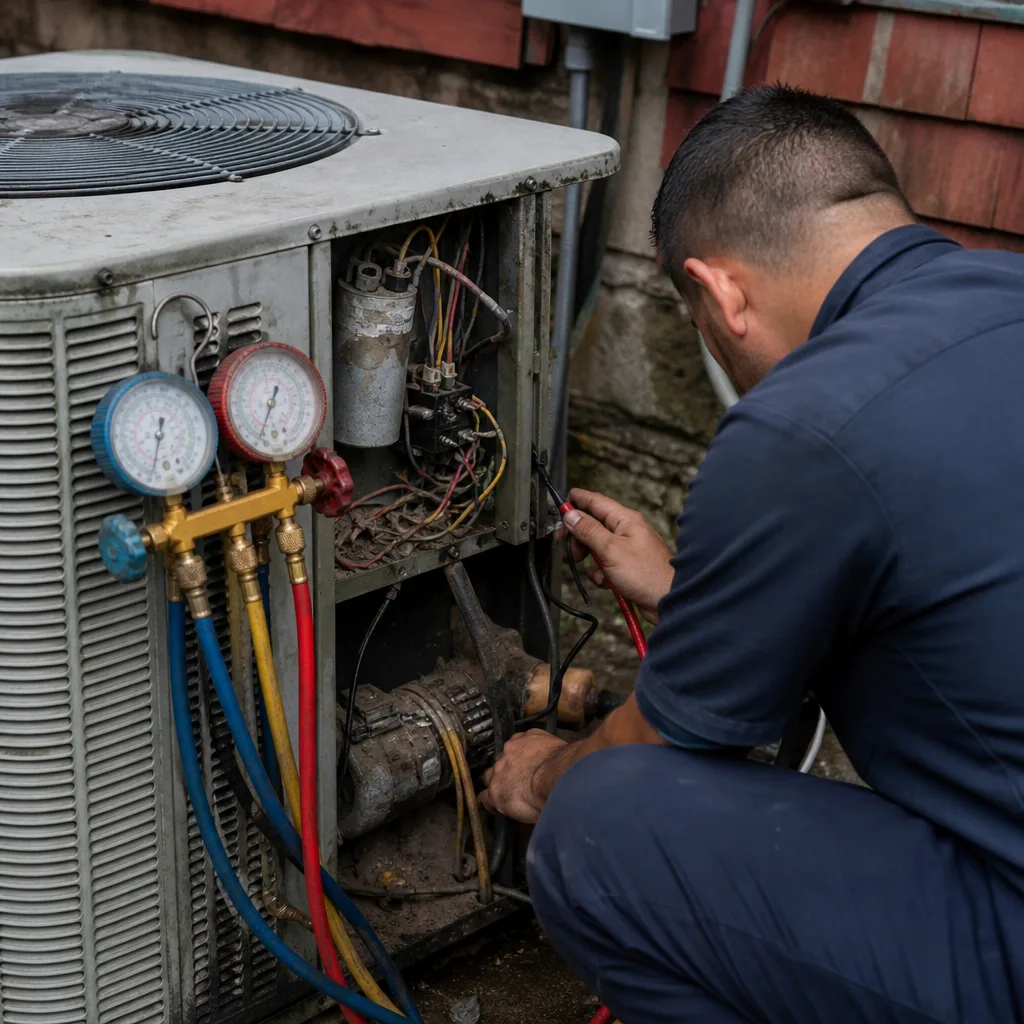 Before
 After
After Before
 After
After Before
 After
After