
Last updated October 16, 2026
 AC repair
 Furnace & heating
 Heat pumps
 Ductless mini splits
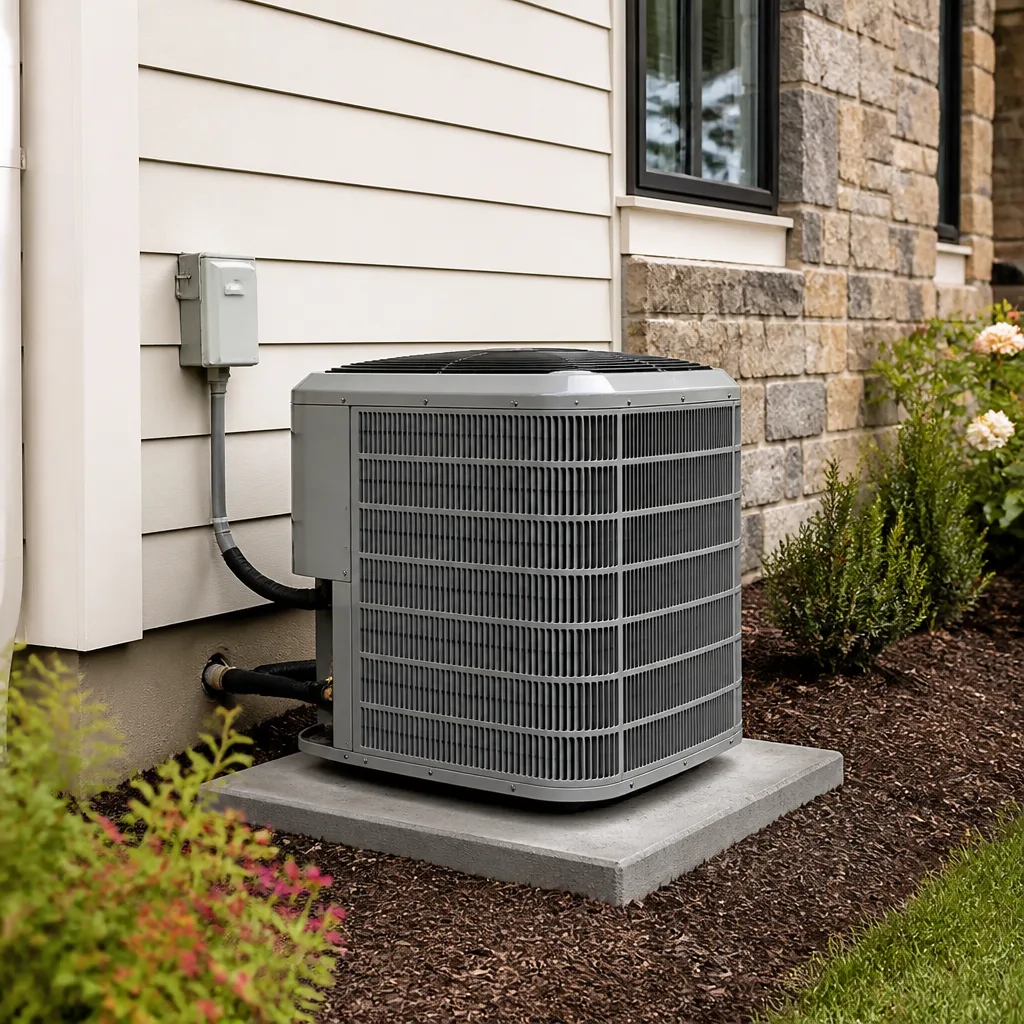 Carrier
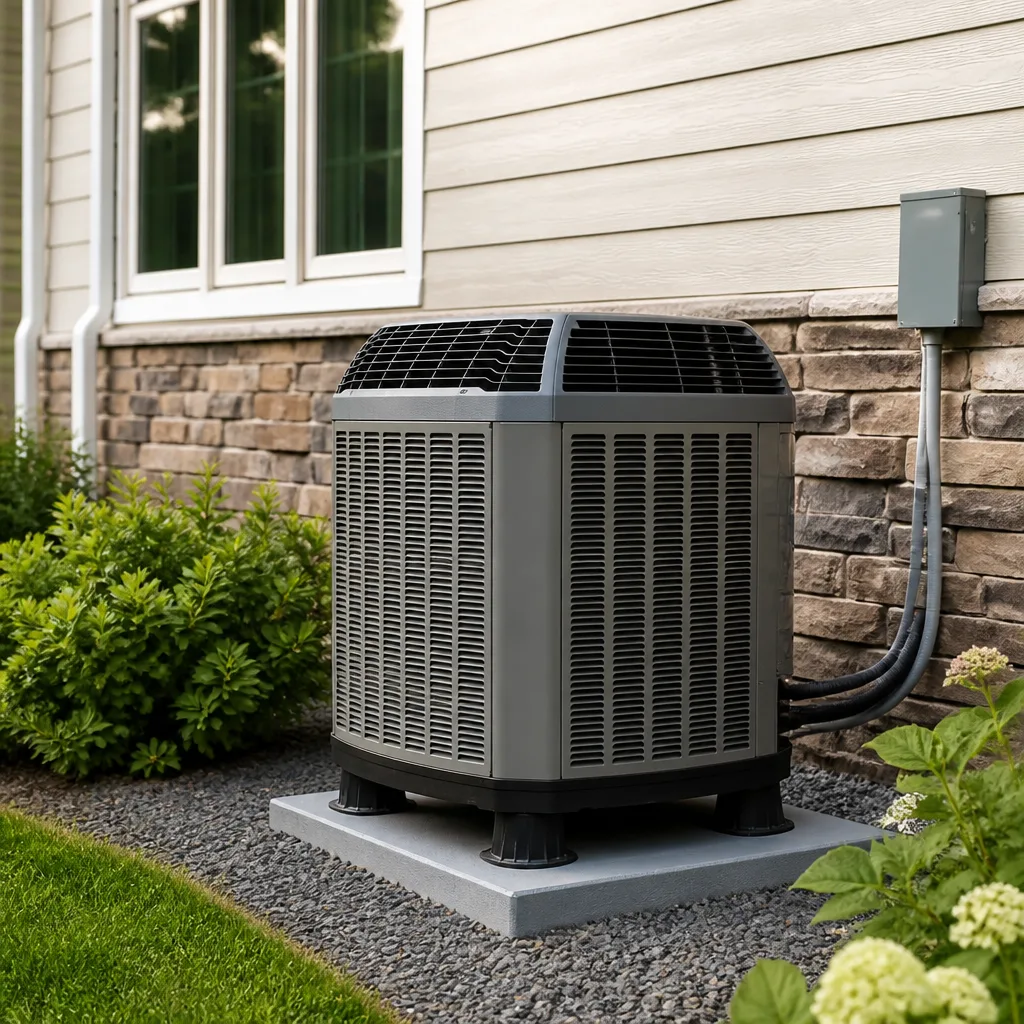 Trane
Trane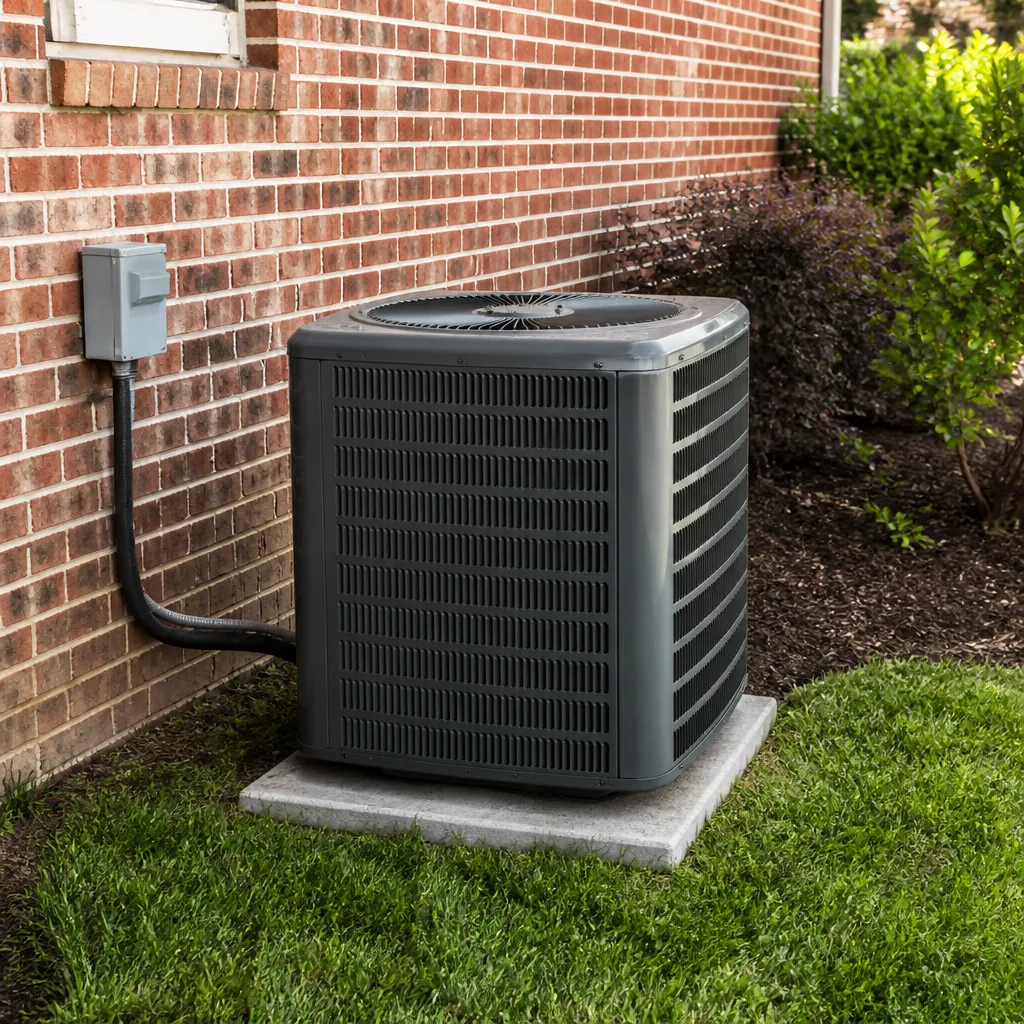 Goodman
Seasonal tune-up and full diagnostic on your Carrier, Trane, or Goodman system - readings shown to you before any repair is proposed
Diagnosis first, numbers second - you approve the repair price before a single part goes in.
Get your free estimateAC Repair Maintenance Checklist for Yonkers Homeowners
Here’s a number that should get your attention: the single most skipped maintenance step in Yonkers homes, cleaning the condensate drain line, causes more emergency AC calls in July than any other single failure. We’re talking about a job that takes roughly four minutes with a wet-vac. Yet every summer, homeowners across Yonkers call us in a panic because water is backing up into their basement or dripping through a ceiling. Most AC maintenance checklists floating around the internet were written for Phoenix or Houston. They assume a long dry cooling season and a newer house with a tight envelope. Yonkers is a different animal entirely: a narrow but brutal cooling season, Hudson River humidity, and housing stock where a good chunk of the homes predate central air by decades. This guide is built around what actually breaks in Westchester summers, not what looks good on a generic PDF.
Quick Answer
An AC maintenance checklist for Yonkers homeowners should follow a month-by-month sequence from April through September, prioritizing condensate drain cleaning, air filter replacement, coil cleaning, and refrigerant line inspection before the first heat wave hits. The most effective approach combines four DIY monthly tasks with one professional seasonal inspection, which should include documenting before-and-after photos and verifying refrigerant levels before the July humidity peaks. Skipping the drain line alone accounts for more emergency repair calls in Yonkers than any other maintenance failure.
Styles & brands we work with
Table of Contents
- April: The Pre-Season Startup Checklist
- May: Humidity Defense and Drain Line Protocol
- June: First Heat Wave Survival Tasks
- July: Peak Load Performance Monitoring
- August: Efficiency Triage and Utility Bill Tracking
- September: Shutdown Sequence and Winter Prep
- DIY Tasks vs. Tasks That Void Warranties
- Common Mistakes to Avoid
- When to Call a Professional
- Frequently Asked Questions
April: The Pre-Season Startup Checklist
Yonkers doesn’t get a gentle ramp into cooling season. One week in April you’re still running the heat, and by the first week of May the temperature can spike into the mid-80s. That means April is not a “nice to have” maintenance month. It’s the month that determines whether your system survives July. Here’s the exact sequence we recommend for Yonkers homeowners, and it starts with the outdoor unit, not the thermostat.
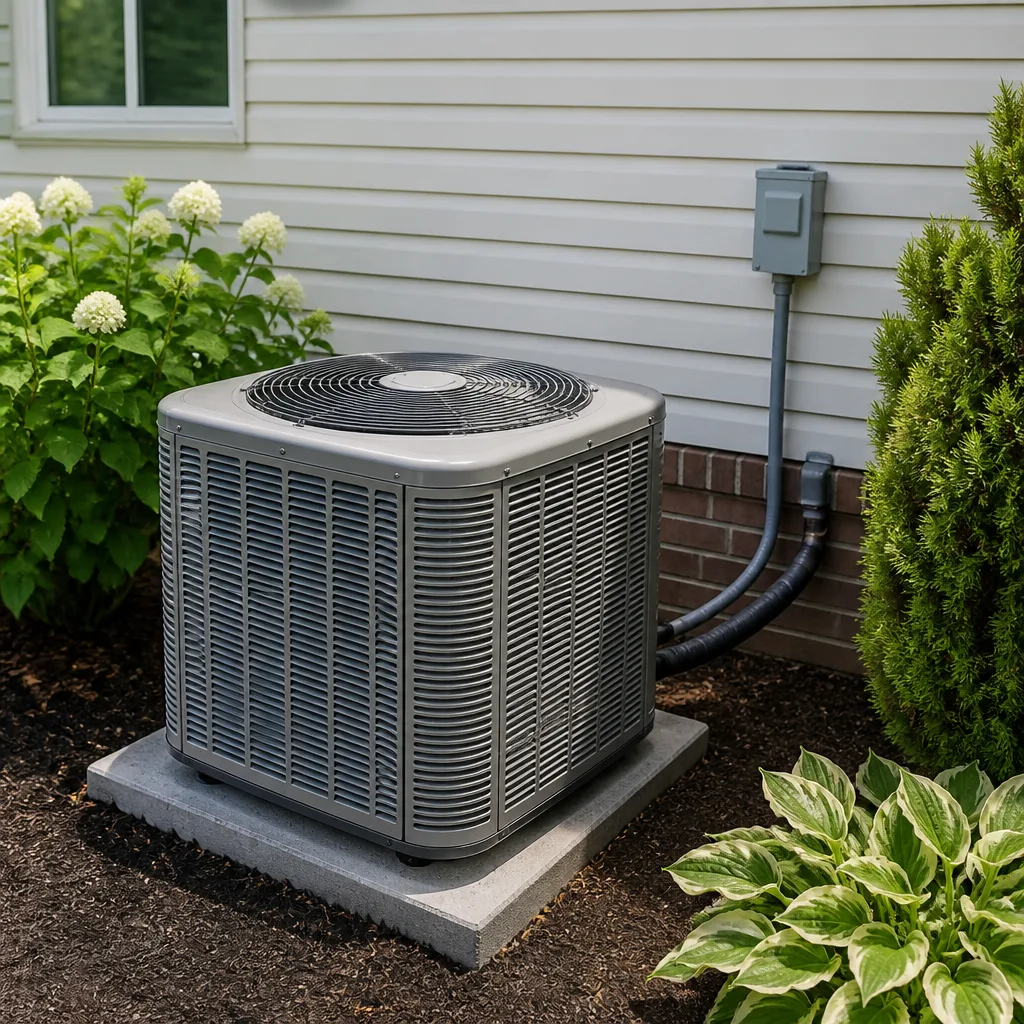
First, kill power to the outdoor condenser at the disconnect box. This is a metal box mounted on the wall next to the unit. Flip the breaker off inside it, not just at the main panel. Then clear debris. Leaves from last fall, maple helicopters in late spring, and general Westchester pollen all pack into the condenser fins. Use a garden hose with a spray nozzle on a gentle setting and rinse from the inside out, which pushes debris out the way it came in rather than embedding it deeper. Do not use a pressure washer. Condenser fins are thin aluminum, and a pressure washer folds them flat, which chokes airflow and drives up your electric bill.
Next, replace the air filter if you haven’t already. In Yonkers, where spring pollen counts run high through late May, a pleated MERV 8 filter is the sweet spot for most systems. Higher MERV ratings sound better but restrict airflow, and your blower motor pays the price. A one-inch filter needs changing every 30 to 60 days during cooling season. If you’ve got a four-inch media filter, every six months is fine unless you have pets or construction dust nearby.
Then check the thermostat’s cooling mode before you actually need it. Switch it to cool, set it five degrees below room temperature, and listen. You should hear the outdoor unit kick on within a minute and the indoor blower start moving air. If nothing happens, or if you hear a hum followed by a click and nothing else, that’s often a capacitor failing. It’s a $15 part and a 20-minute fix for a professional, but left alone it burns out the compressor, which is a $2,500 mistake. If you want to be thorough, call a pro for a professional AC repair in Yonkers at the first sign of trouble. April is the cheapest month to catch these issues because demand is still low.
May: Humidity Defense and Drain Line Protocol
May in Yonkers is when the Hudson River starts dumping moisture into the air and your AC starts doing double duty. Your system isn’t just cooling air. It’s pulling water out of it. That water condenses on the indoor evaporator coil and drips into a drain pan, then flows through a PVC pipe, the condensate drain line, to a floor drain or outside. Here’s the thing most checklists gloss over: that drain line is a dark, damp, cool environment. Mold and algae love it. When it clogs, the water has nowhere to go except back into your home.
Here’s the four-minute fix. Find the drain line where it exits the indoor air handler. There’s usually a vertical PVC pipe with a cap on it, called a cleanout or a tee. Pop the cap off, attach a wet-vac hose to the opening, and seal it with your hand or a rag. Run the vacuum for two to three minutes. You’ll hear it pull gunk out of the line. Then pour a cup of white vinegar into the cleanout, which kills residual algae and slows future growth. Do this monthly during cooling season, and you’ll avoid the most common emergency call we get in Yonkers between June and August.
Also in May, walk the exterior of your home and inspect the refrigerant lines. These are the copper pipes running from the outdoor condenser to the interior coil. They’re wrapped in black foam insulation, called armorflex. In Yonkers, where a lot of homes have crawl spaces and older basements, that insulation gets brittle, chewed by rodents, or simply falls off. When bare copper is exposed in a humid crawl space, it sweats. The system loses efficiency and the pipe itself corrodes. Replace any missing or damaged insulation before the humidity peaks. This is a $10 fix that prevents a refrigerant leak, which is a $400 to $1,200 repair depending on the refrigerant type.
Finally, check your condensate pump if your system uses one. Most Yonkers basements with finished space below grade need a pump to move the water up and out. Pour a cup of clean water into the pump reservoir and confirm it kicks on. If it doesn’t, that’s a $60 part and a 30-minute replacement. Neglect it, and you’ll find out the hard way during the first heat wave when the safety float switch shuts your entire system down.
June: First Heat Wave Survival Tasks
By mid-June, Yonkers gets its first sustained stretch of high-80s to low-90s days, and that’s when systems that limped through spring start failing catastrophically. The best thing you can do in June is observation. Your AC will tell you it’s struggling before it quits entirely, if you know what to listen for and where to look.
Pay attention to run times. On a 90-degree day, a properly sized system in a Yonkers home should run in cycles of 15 to 25 minutes, with 10 to 15 minutes off between cycles. If it’s running constantly without satisfying the thermostat, or if it’s short-cycling, turning on and off every five minutes, something is wrong. Constant running usually means low refrigerant or dirty coils. Short cycling usually means an oversized system or a failing thermostat sensor. Both waste electricity and shorten the lifespan of the compressor, the single most expensive component to replace.
Check the temperature difference, what we call the Delta T. Hold a thermometer at the return vent where air goes in, and at the supply vent closest to the air handler. The difference should be 15 to 20 degrees. If it’s less than 15 degrees, your system isn’t cooling effectively. If it’s more than 22 degrees, airflow is too low, usually a dirty filter or a failing blower motor.
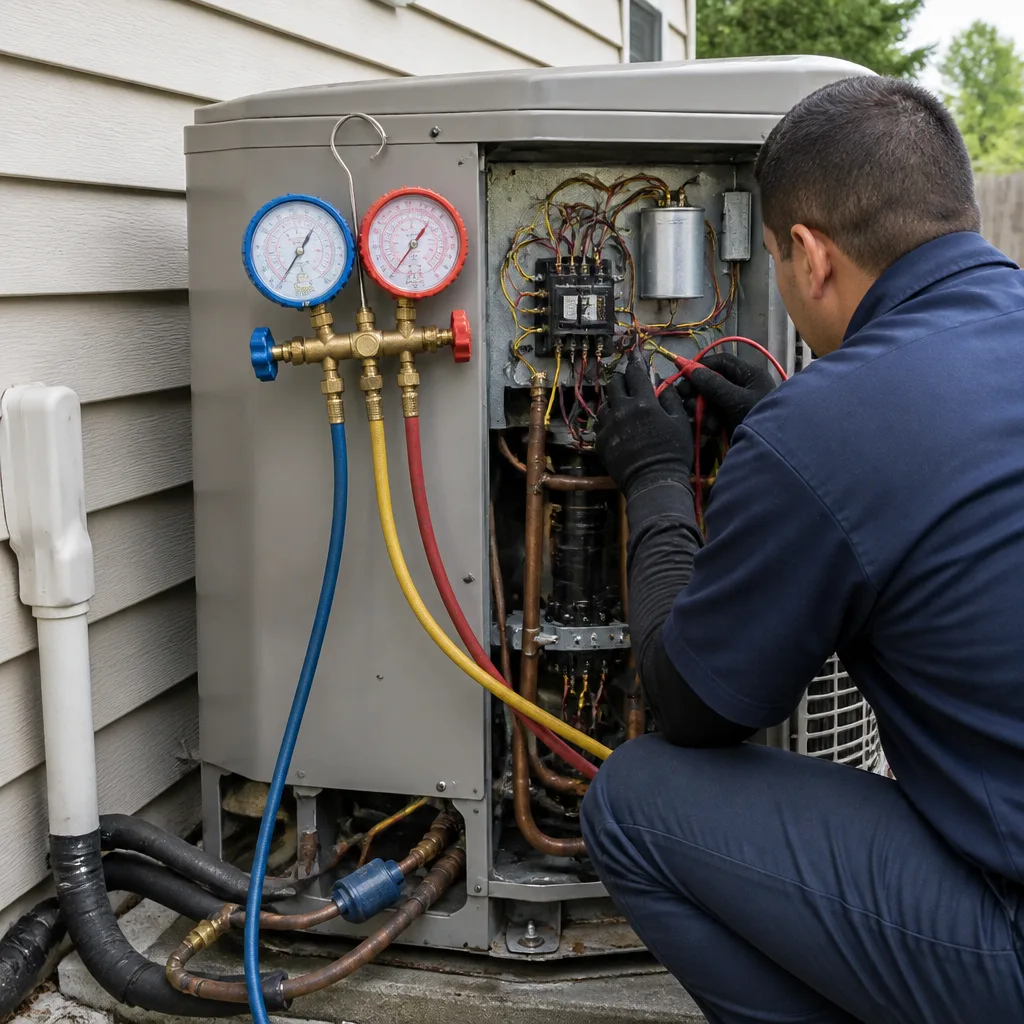
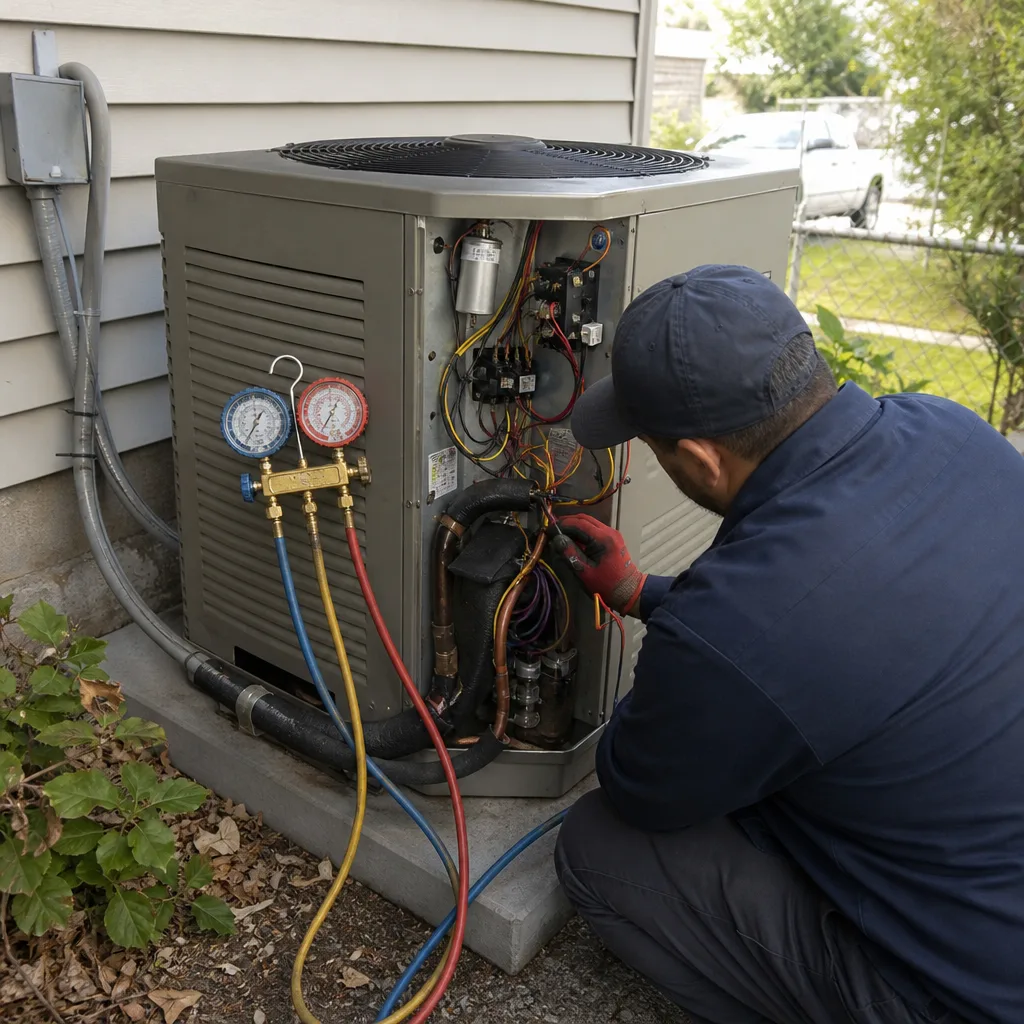
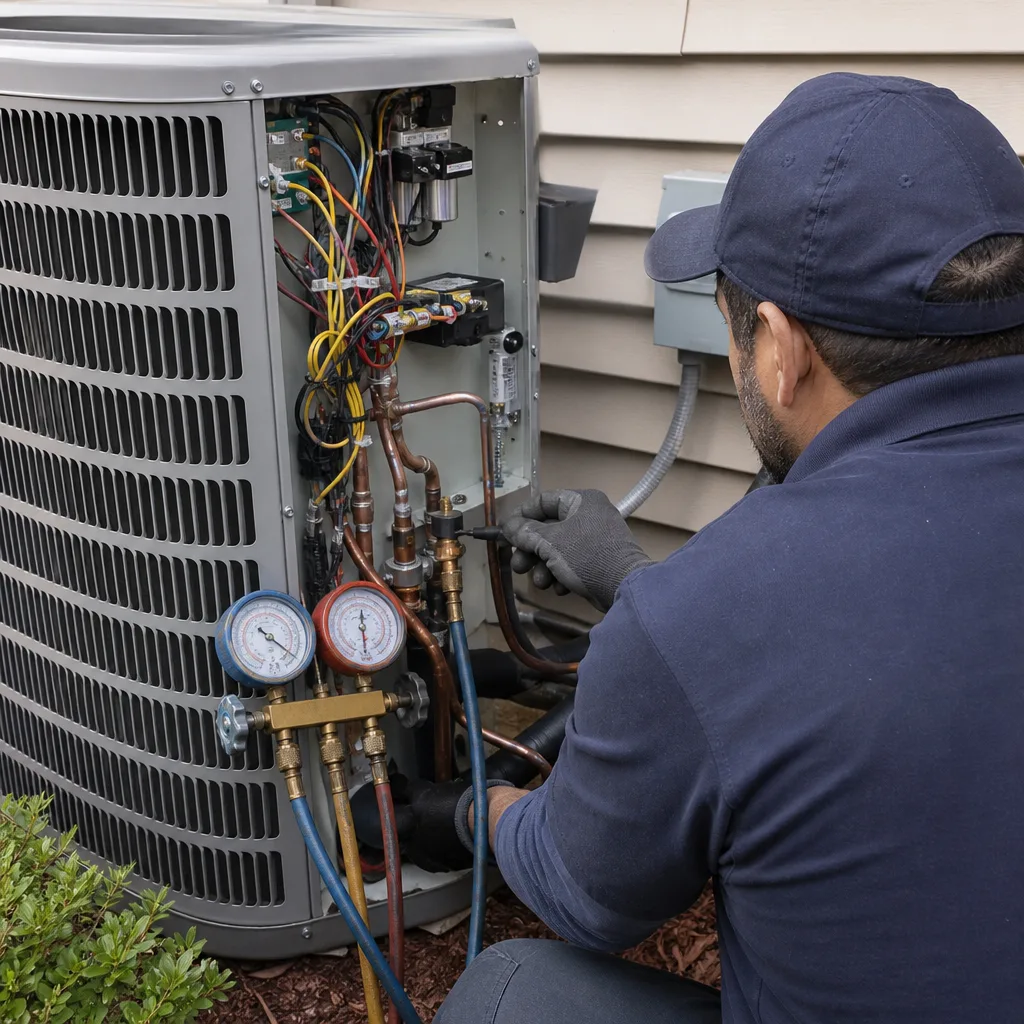
June is also the month to schedule a professional seasonal inspection if you didn’t do it in April. This is not a luxury item. It’s the single highest-return maintenance dollar you’ll spend. A thorough inspection includes checking refrigerant pressures and temperatures on both the high and low side, testing capacitors and contactors for wear, measuring the amp draw on the compressor and blower motor, inspecting the heat exchanger for cracks if you have a gas furnace paired with the AC, and cleaning the evaporator coil if it’s accessible. Ask for before-and-after photos of the work. A quality shop will document what they found, what they cleaned, and what the final condition looks like. If a technician won’t show you photos, you should ask why.
July: Peak Load Performance Monitoring
July is not a maintenance month. It’s a monitoring month. Your system is running at its highest load of the year, and the humidity in Yonkers during July is relentless. The work you did in April and May should carry you through, but you still need to keep an eye on things because small problems compound quickly under peak load.
Check the outdoor unit’s clearance every two weeks. Grass, weeds, and volunteer plants grow aggressively in July. Your condenser needs at least 18 to 24 inches of clear space on all sides and at least five feet of clearance above it. When the unit is suffocated by overgrowth, head pressure builds, the compressor runs hot, and efficiency drops. This is a five-minute check that saves real money on your electric bill.
Monitor the condition of the condensate drain line more frequently in July. The heat accelerates algae growth, and the constant humidity means more water in the system. If you see water pooling around the indoor unit, or if the drain pan is full, shut the system off and call a professional immediately. Water damage from a clogged drain line in a Yonkers home can easily exceed $5,000 by the time you factor in drywall, flooring, and mold remediation. That’s not a repair. That’s a renovation.
July is also the time to track your energy usage with purpose. Go back through your utility bills from the previous summer. Compare your July usage this year to July last year, after adjusting for average outdoor temperature. Yonkers residents can pull historical weather data from NOAA for free. If your cooling degree days are the same but your electric usage is up 15% or more, that’s a measurable efficiency loss. It could be a dirty coil, a refrigerant leak that’s slowly bleeding pressure, or aging ductwork. Catching it in July and fixing it in August or September means you address it before next season, and before it becomes a $4,000 compressor replacement instead of a $200 service call. If you’re seeing a drop in performance, it’s worth having a professional assessment through AC repair in Yonkers before the problem compounds.
August: Efficiency Triage and Utility Bill Tracking
August in Yonkers is the month when homeowners start getting honest with themselves about their system. The July electric bill arrives, and suddenly that 15-year-old AC unit that seemed fine in June looks a lot less fine. August is efficiency triage month. Here’s how to think about it.
First, sit down with your utility bills from the last 13 months. Not the last 12, but the last 13, so you can compare this August to last August directly. Factor in the weather. If this summer is running hotter than last summer, your usage should be up, and that’s expected. But if your usage is up disproportionately, if you’re spending 20% more per cooling degree day than you were last year, something is degrading. It’s almost never one big thing. It’s usually a combination: a coil that’s 30% blocked, a refrigerant charge that’s 10% low, a blower motor drawing too many amps. Each one costs you a little efficiency. Together they cost you a lot.
August is also the month to check your ductwork in accessible spaces. Yonkers has a lot of older homes where ductwork runs through unconditioned attics and crawl spaces. Those spaces are brutally hot in August. If your ducts are uninsulated, or if the insulation has fallen away, or if the joints have separated, you’re cooling the attic instead of the living room. Disconnected ducts are shockingly common. In our experience, we’ve found disconnected supply runs in homes where the homeowner was running the AC full blast and still couldn’t get the upstairs below 80 degrees. A roll of foil tape and some insulation costs under $50. Fixing the problem saves hundreds per season.
One more August task: check the insulation on the suction line again, the larger of the two copper pipes at the outdoor unit. It should be insulated all the way from the condenser to the indoor coil. This is especially critical in Yonkers because our homes tend to have longer line sets than newer suburban construction, which means more exposed surface area in unconditioned spaces. When the insulation is missing, the system has to work harder to deliver the same cooling. It’s the simplest efficiency fix on the entire checklist.
September: Shutdown Sequence and Winter Prep
September in Yonkers is a transition month. The days are still warm, but the nights get cool, and by the end of the month you’re thinking about heating instead of cooling. What you do in September determines what kind of shape your AC is in when you fire it back up next spring.
Keep running the system until it’s genuinely not needed. Don’t shut it down at the thermostat the second the forecast dips below 70. Running the system periodically through September and into October keeps the compressor lubricated and the seals from drying out. A system that sits dormant for seven months without running is more likely to have a stuck contactor or a seized compressor come April.
Do a final drain line cleaning before the system goes dormant. Pour the vinegar through, run the wet-vac one more time, and leave the system clean. A clog that forms in September and sits all winter hardens into a cement-like plug that’s much harder to remove in the spring.
Consider switching to a smart thermostat in September if you don’t have one. The cooling season in Yonkers is short but intense, and humidity control matters as much as temperature control. A smart thermostat that runs the fan in “circulate” mode during shoulder seasons distributes air and evens out humidity without running the compressor. It’s a genuine quality-of-life improvement, not a gadget for its own sake.
Finally, September is the right time to make a decision about whether you need a full system replacement. If your AC struggled through the summer, if you spent more than $500 on repairs, if the system is more than 12 years old and running on R-22 refrigerant, the calculation changes. You don’t want to be making that decision in July when it’s 95 degrees and you’re desperate. September gives you time to get written quotes, explore AC installation options in Yonkers, check rebate programs through Con Edison and NYSERDA, and schedule the work on your timeline. The worst time to buy a new system is during an emergency. The best time is when the old one still technically runs.
DIY Tasks vs. Tasks That Void Warranties
Here’s the part most checklists get wrong. They lump everything together under “maintenance” without telling you which tasks you can legally and safely do yourself, and which tasks will void your manufacturer warranty if you try. The line matters. Here’s the breakdown.
Tasks Homeowners Can Safely DIY
- Air filter replacement. This is your job. Monthly during peak cooling season. No tools required. No warranty implications.
- Condensate drain line cleaning with a wet-vac. As long as you’re not cutting pipe or disassembling anything, you’re fine. The wet-vac method is safe and effective.
- Condenser coil rinsing from the outside. Gentle water pressure on the exterior fins is fine. Just kill the power first and use a soft spray.
- Debris clearance around the outdoor unit. Trim vegetation, remove leaves, keep the area clear. This is basic housekeeping.
- Thermostat battery replacement and programming. Read the manual, follow the instructions, and you’re good.
- Visual inspection of refrigerant lines and insulation. You can look. You can replace foam insulation on the exterior portion. You cannot touch the refrigerant lines themselves.
- Checking the condensate pump operation by pouring water in. If it works, great. If it doesn’t, call a pro for the replacement. It’s an electrical component.
Tasks That Require a Licensed Technician
- Any opening of the refrigerant system. Adding refrigerant, checking pressures, repairing a leak. Federal law requires EPA Section 608 certification to handle refrigerant. Doing it yourself is illegal and dangerous.
- Evaporator coil cleaning. The indoor coil is usually behind an access panel that requires sheet metal work to open, and the cleaning method depends on coil type and accessibility. Do it wrong and you flood the drain pan or damage the fins.
- Electrical testing of capacitors, contactors, and wiring. Capacitors store voltage even when the power is off. This is genuinely dangerous. A licensed tech knows how to discharge them safely.
- Compressor diagnosis or replacement. The compressor is the heart of the system and the most expensive single part. Any warranty claim on a compressor requires documentation of professional installation and maintenance. DIY work here voids the warranty on Carrier, Trane, Lennox, and Goodman systems across the board.
- Refrigerant line repair or replacement. This requires brazing, evacuation, and pressure testing. It’s not a weekend project.
- Ductwork modification in unconditioned spaces. Attic and crawl space ductwork involves building science considerations like condensation control and air sealing. A wrong patch job makes things worse.
The warranty issue is the one most homeowners don’t fully appreciate until it’s too late. Carrier, Trane, Lennox, and Goodman all require proof of professional installation and maintenance to honor extended compressor warranties. If you’ve opened the system yourself and something fails a year later, the manufacturer will deny the claim. That’s a $2,000 to $4,000 difference. The $150 you saved on a DIY refrigerant recharge just cost you thousands.
If you’re looking for a professional in the area, Halden Heating and Air Yonkers has been serving homeowners in Yonkers since 2004, with certified technicians who work on all major brands including Carrier, Trane, Lennox, and Goodman. Every job includes a written price before work begins and a written guarantee on the repair itself.
Common Mistakes to Avoid
- Skipping the drain line in spring because it “worked last year.” Algae doesn’t take a year off, and the clog that forms in a humid Yonkers spring is exactly the one that ruins your July. Four minutes with a wet-vac in May beats a $300 emergency call in July.
- Using the highest MERV filter you can find. A MERV 13 filter sounds like better air quality, but it restricts airflow so much that your blower motor overworks and your evaporator coil freezes. In Yonkers homes with older ductwork, stick to MERV 8 unless a professional has verified your system can handle higher.
- Covering the outdoor unit with a tarp for winter. Plastic covers trap moisture against the metal and create a perfect environment for rust and rodent nests. The unit is designed to sit outside uncovered. If you want to block leaves, use a breathable mesh cover or a piece of plywood with a brick on top, never a sealed tarp.
- Closing vents in unused rooms to save money. Your system was sized for a specific airflow balance. Closing vents increases static pressure, which makes the blower work harder and can freeze the coil. It doesn’t save money. It costs money.
- Waiting until a heat wave to schedule maintenance. Every HVAC company in Westchester is slammed during the first 90-degree stretch. You’ll wait longer, pay more, and be more likely to need the repair anyway. April and September are the cheap months.
- Ignoring a rising electric bill because “rates went up.” Rate increases are real, but they’re usually 3-5% per year in the Con Ed territory. If your bill jumped 20% year over year with similar weather, that’s your AC telling you something. A 15% efficiency loss is invisible to comfort but visible on the bill.
- Replacing the system without addressing underlying issues. If you put a new AC into a home with leaky ducts and inadequate attic insulation, you’ll get maybe 60% of the efficiency you paid for. The Yonkers housing stock is old enough that duct sealing and insulation upgrades often pay for themselves faster than the new equipment does. A real pro will check the envelope before selling you a bigger box.
When to Call a Professional
Some things on a Yonkers AC system are straightforward DIY. Some are not, and knowing the difference is the difference between a $200 fix and a $4,000 replacement. Call a professional if you notice ice on the refrigerant lines or the indoor coil, which usually means low refrigerant or restricted airflow. Call if the system is short cycling, turning on and off every few minutes, because that’s typically electrical and getting worse. Call if you hear grinding, screeching, or banging sounds from the outdoor unit, since those are mechanical failures that won’t resolve themselves. Call if you see water pooling anywhere it shouldn’t be. Call if the system is running but warm air is coming out of the vents. Halden Heating and Air Yonkers offers free estimates in Yonkers, with written pricing before any work starts and a written guarantee on every repair. Call (838) 213-7827 and a live person answers, 24/7.
Frequently Asked Questions
Every 30 to 60 days during cooling season, which runs roughly April through October in Yonkers. If you have pets, live near construction, or have allergies, lean toward every 30 days. A one-inch pleated filter is inexpensive compared to the cost of a blower motor replacement. The filter’s job is to protect the equipment first and improve air quality second, and a clogged filter turns your AC into an expensive air blocker.
Yes. In our experience, the condensate drain line is the number one cause of emergency AC calls in Yonkers between June and August. The combination of Hudson River humidity and older drain lines creates the perfect environment for algae growth. A monthly wet-vac treatment takes four minutes and prevents both water damage and system shutdowns caused by the safety float switch tripping. If you do one DIY task on this entire checklist, make it this one.
No. Adding refrigerant requires EPA Section 608 certification, and refrigerant systems are sealed under pressure. Opening the system without training is dangerous and illegal. More importantly, a system that’s low on refrigerant has a leak somewhere, and adding refrigerant without finding the leak just wastes money. A professional will locate the leak, repair it, and recharge the system to manufacturer specifications. Halden Heating and Air Yonkers provides written pricing before any refrigerant work begins.
Use the $5,000 rule as a starting point: multiply the age of your system by the cost of the repair. If the number exceeds $5,000, replacement usually makes more financial sense. A 15-year-old system with a $400 repair works out to $6,000, which points to replacement. Also consider refrigerant type. If your system runs on R-22, which was phased out of production in 2020, the refrigerant alone can cost $100 per pound or more. A 10-year-old R-410A system with a minor part failure is usually worth repairing. Either way, get a written quote for both options and compare. For a detailed assessment of AC installation in Yonkers, the numbers may surprise you.
Heat rises, and in Yonkers’ older two-story homes, the upstairs is almost always the problem zone. Common causes include undersized duct runs to the second floor, no return air vents upstairs, uninsulated ductwork in a hot attic, or a single-zone system trying to manage two very different thermal loads. The fix might be as simple as balancing dampers or adding a return vent, or it might require a zoning system or a ductless mini-split for the upstairs. A professional assessment that includes airflow measurements will tell you which one you need.
Yes, significantly. Many Yonkers homes were built before central air conditioning was standard, which means the AC was retrofitted into a structure that wasn’t designed for it. Ductwork is often undersized, in awkward locations, or poorly insulated. Homes with plaster walls, original windows, and limited attic insulation leak conditioned air faster than the system can replace it. The fix isn’t always a bigger AC unit. Often it’s duct sealing, insulation, and air sealing, which reduce the load so a properly sized system can keep up. This is also why furnace repair in Yonkers often involves checking the same ductwork and envelope issues that affect cooling season.
The Bottom Line
A Yonkers AC maintenance checklist that actually works is built around the local realities: a short intense cooling season, relentless humidity off the Hudson, and homes that were often retrofitted for central air rather than built for it. The order of operations matters. Clean the condensate drain line in April and May before the algae blooms. Replace the filter monthly through the summer. Watch your run times during heat waves. Track your utility bills year over year and investigate any unexplained spike. Know which tasks are DIY and which ones void your warranty if you attempt them. If the system is over 12 years old, running on R-22, or costing more than $500 in repairs per season, start planning for replacement in September when you have leverage and time. A consistent checklist can extend the life of a Yonkers AC system by three to five years, and it can save thousands in avoided emergency repairs. The key is consistency, not perfection. Do the four-minute tasks every month, get a professional inspection once a year, and pay attention to what the system is telling you.
If you’d like help with any of this, from a seasonal inspection to a full system replacement, call Halden Heating and Air Yonkers at (838) 213-7827. A real person answers, 24/7, and you’ll get a written price before any work starts.
Written by Andre Fuller, Owner at Halden Heating and Air Yonkers, serving Yonkers since 2004.
See the difference
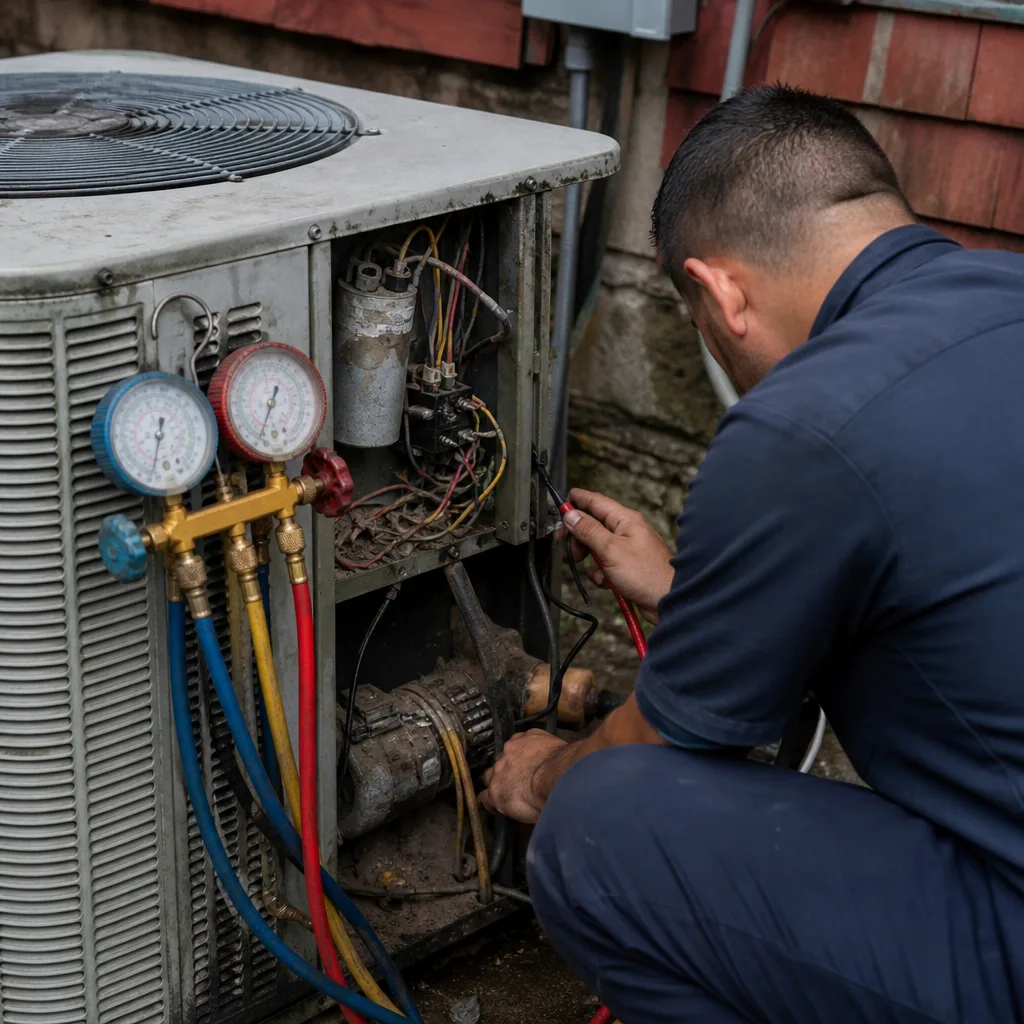 Before
 After
After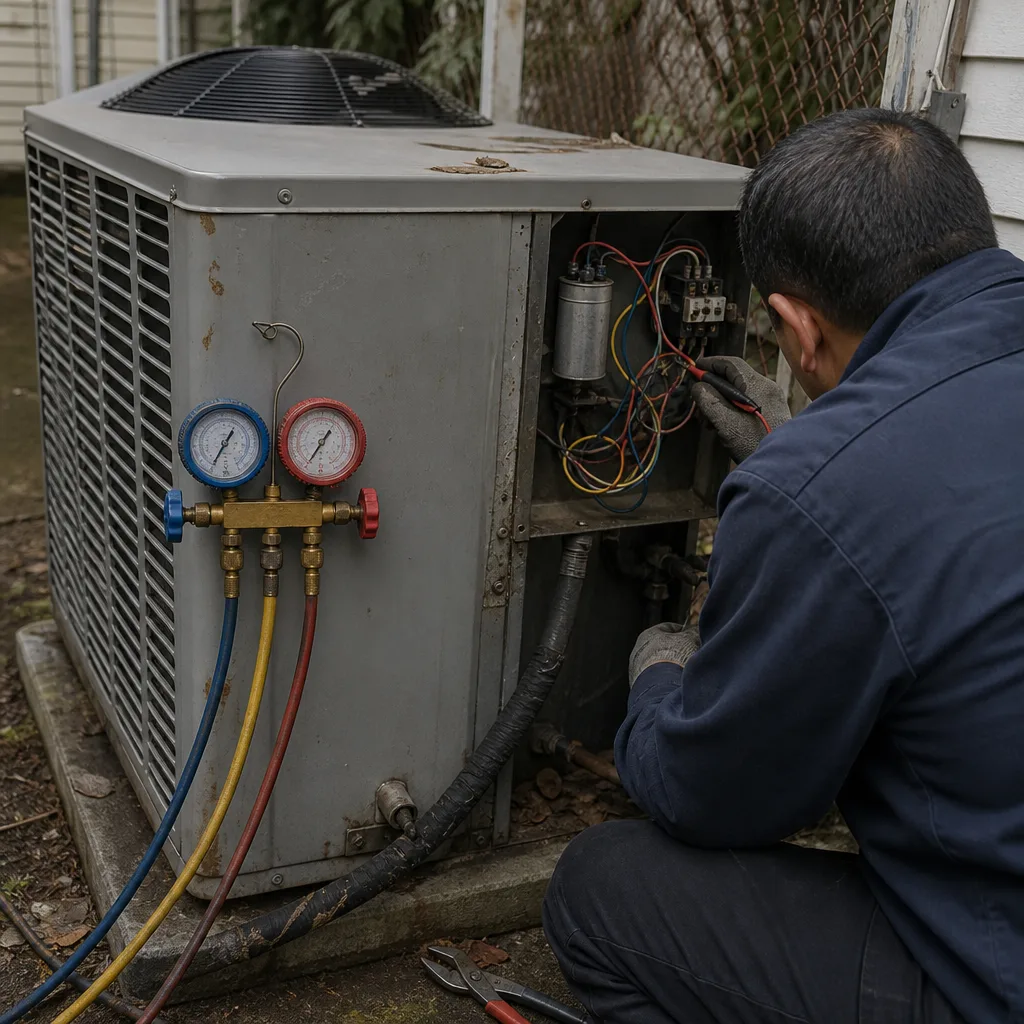 Before
 After
After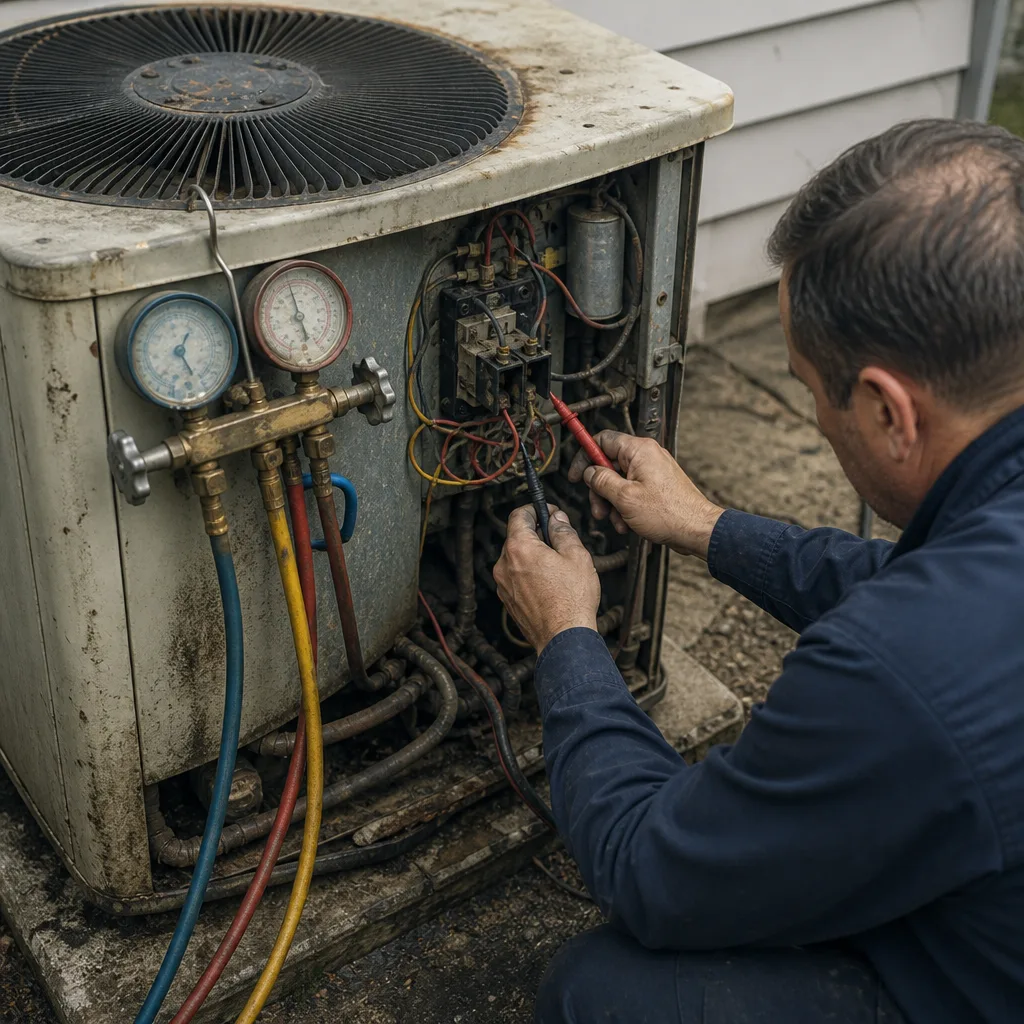 Before
 After
After