
Last updated October 16, 2026
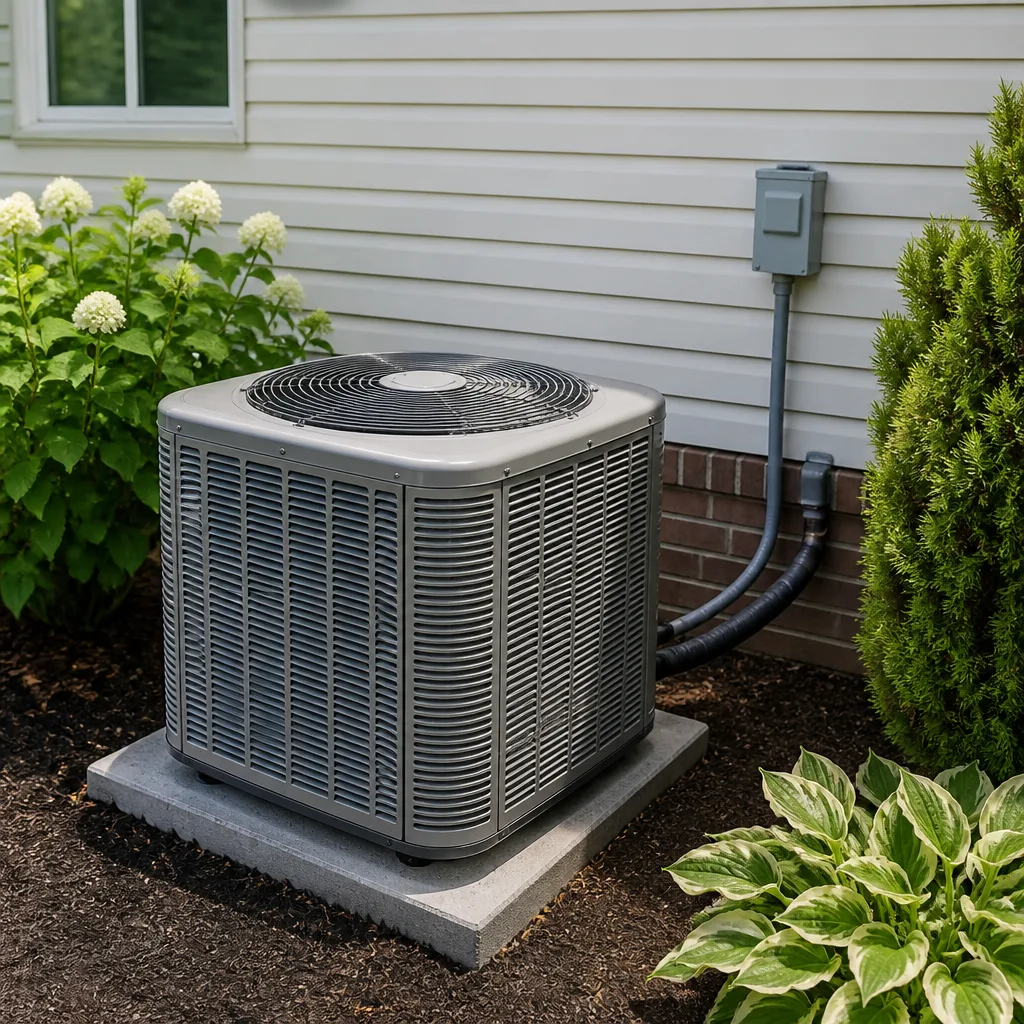 AC repair
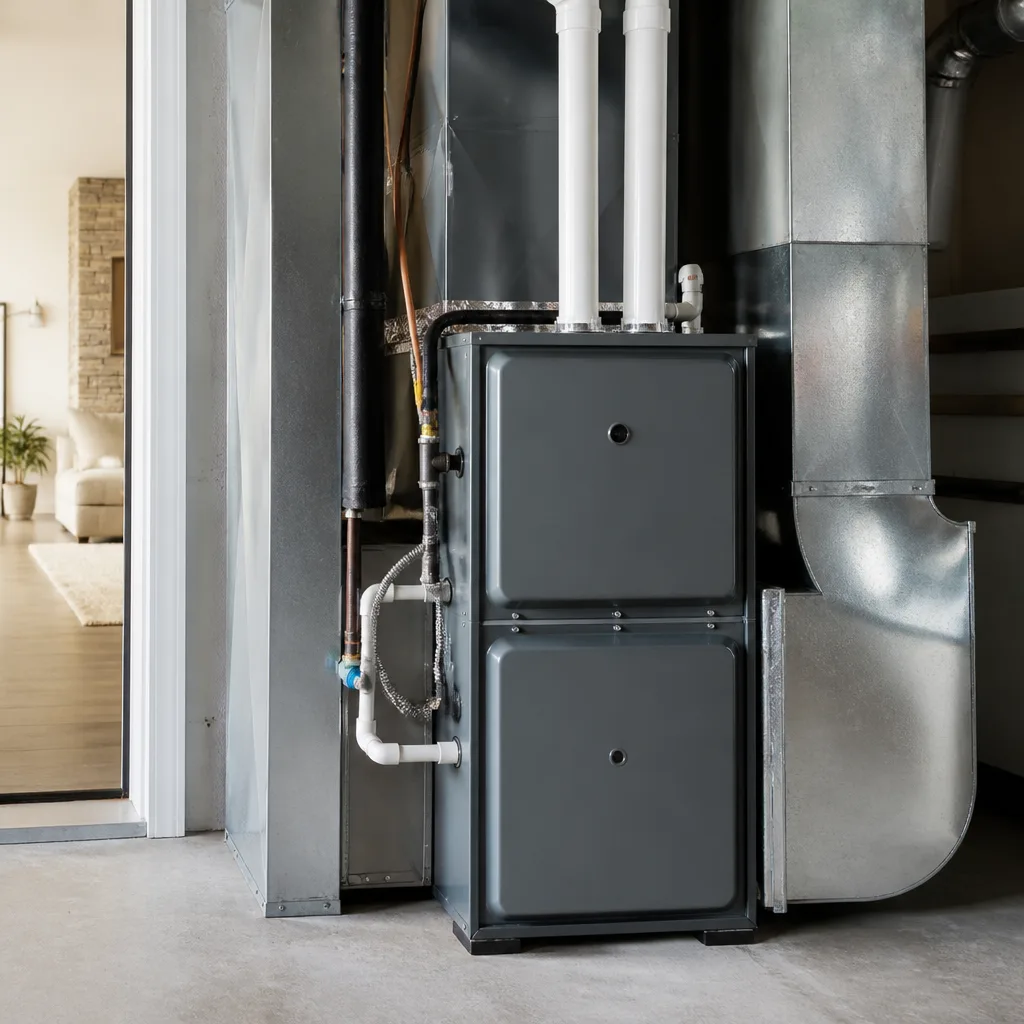 Furnace & heating
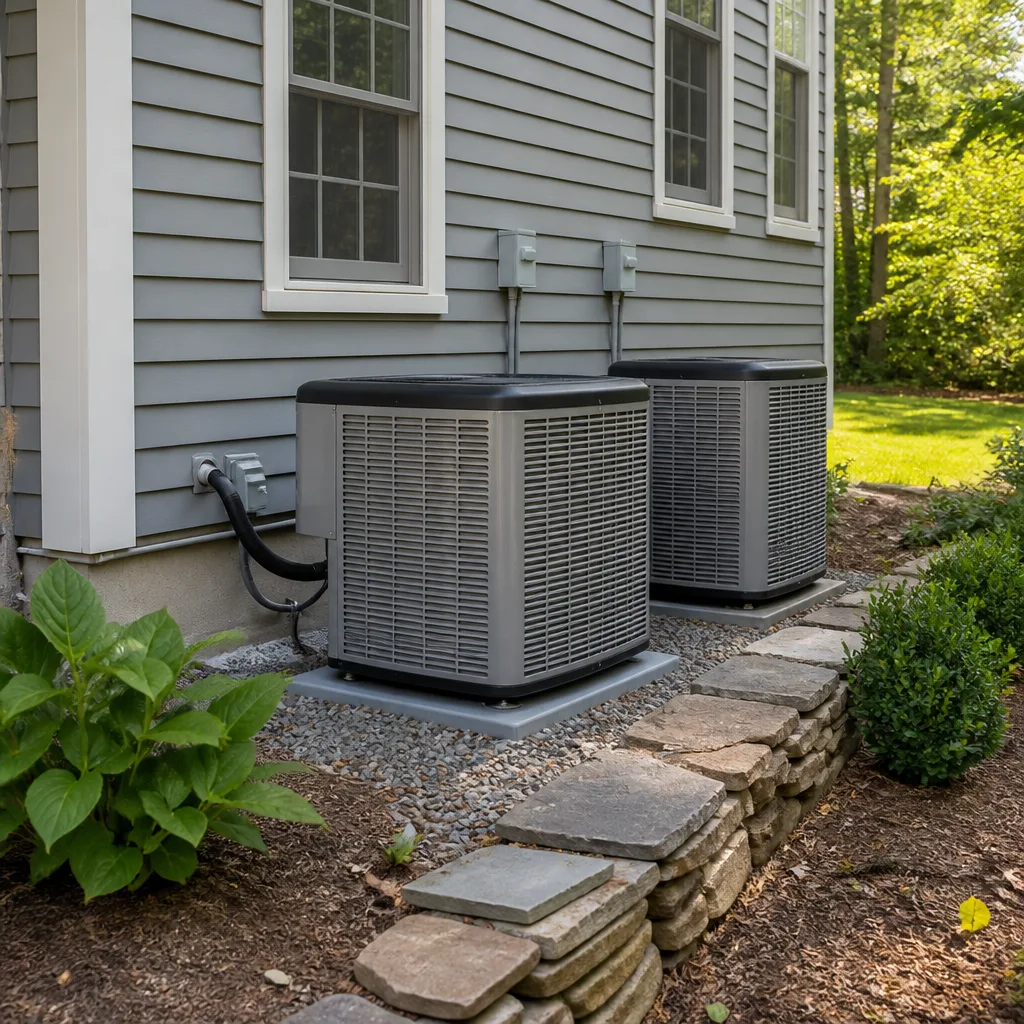 Heat pumps
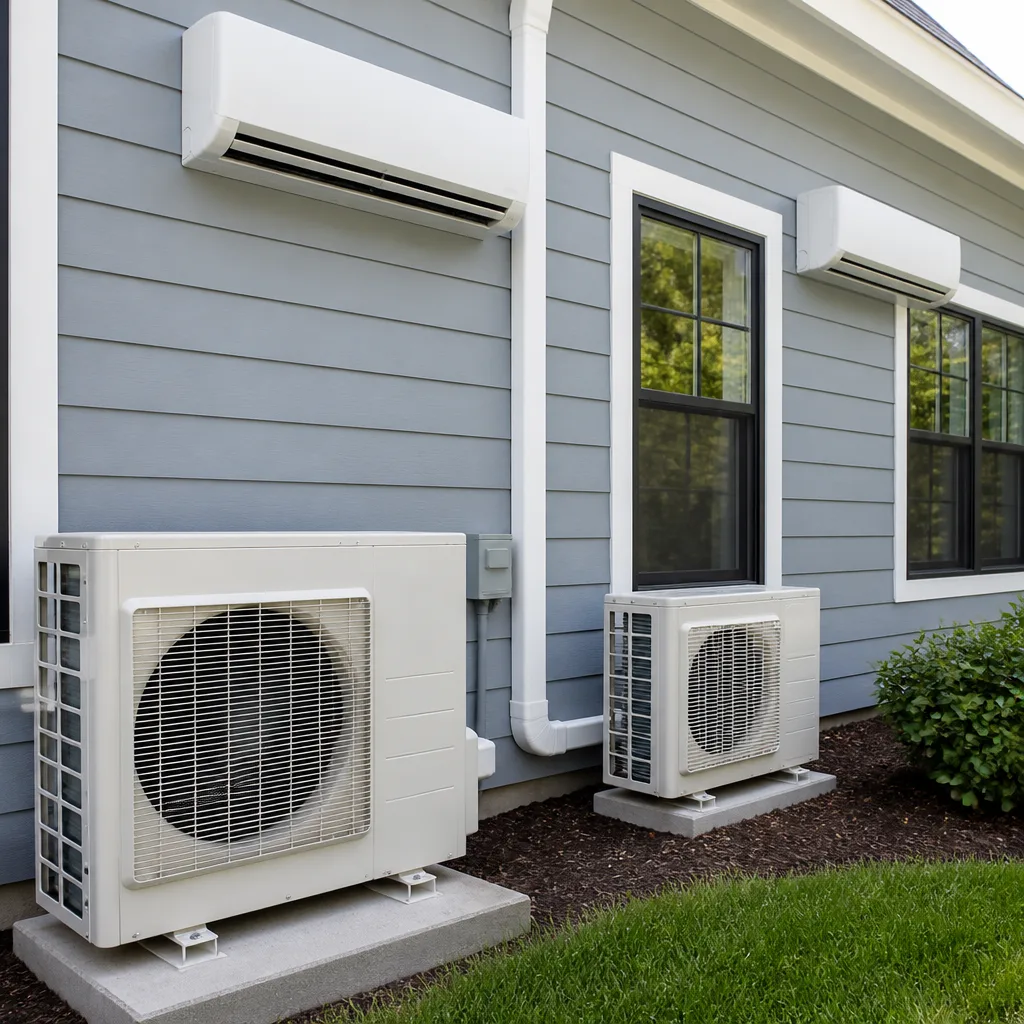 Ductless mini splits
 Carrier
 Trane
Trane Goodman
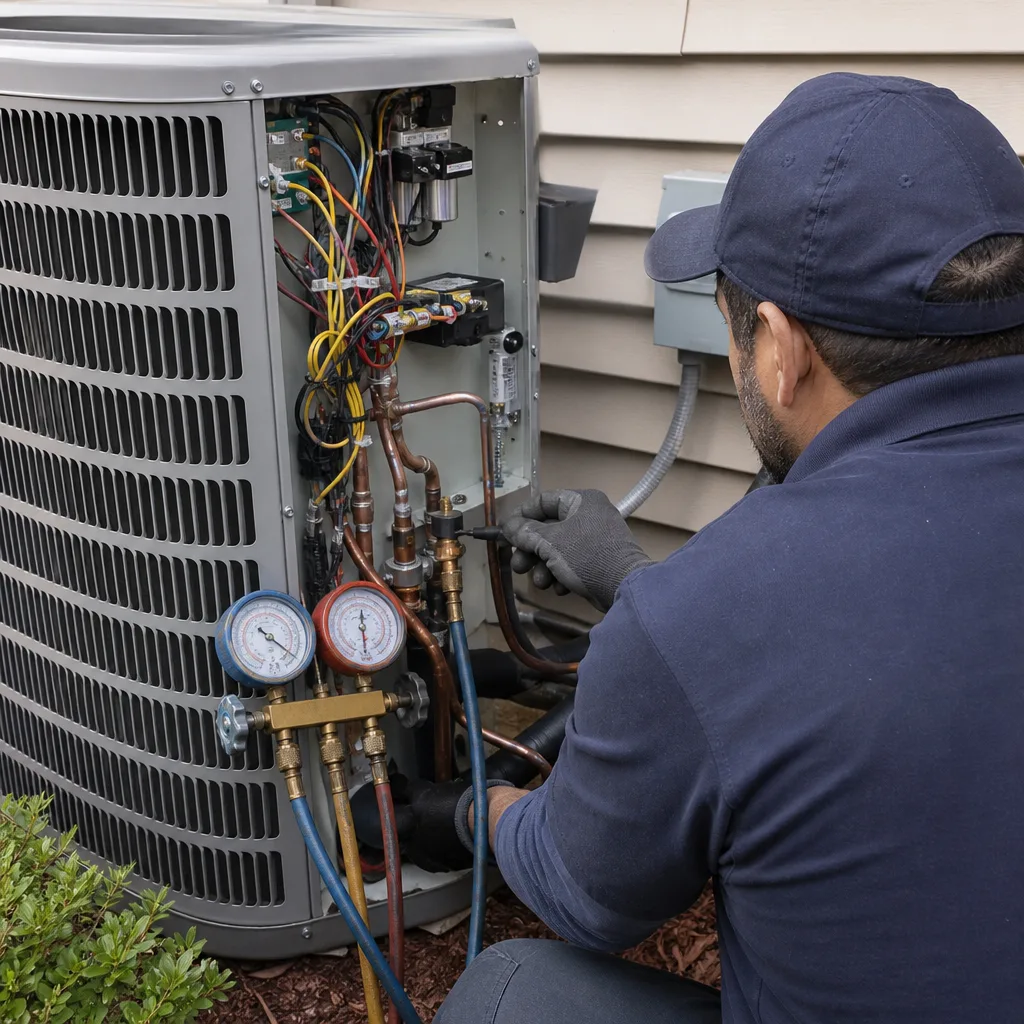
Seasonal tune-up and full diagnostic on your Carrier, Trane, or Goodman system - readings shown to you before any repair is proposed
Diagnosis first, numbers second - you approve the repair price before a single part goes in.
Get your free estimateHVAC Warning Signs: A Yonkers Homeowner’s Reference Guide
Most Yonkers homeowners don’t realize their heating and cooling system has been warning them for weeks before it finally quits. The average HVAC failure sends out detectable signals for 14 to 21 days before a complete breakdown, according to what we see across hundreds of service calls each year. The problem is that those signals usually show up as something vague: a faint hum, a musty whiff, a bedroom that never quite reaches the thermostat setting. Our complete guide to HVAC in Yonkers is built to change that. We’re going to walk you through exactly what to listen for, smell, and feel in each room of your Yonkers home, so you can describe symptoms accurately, catch problems before they become emergencies, and never get told “everything checked out fine” when something clearly hasn’t.
Quick Answer
HVAC warning signs in Yonkers fall into four sensory categories: sounds (banging, hissing, rattling), smells (burning dust, rotten eggs, musty mildew), airflow (weak or uneven), and utility bill spikes without a matching change in weather. Each symptom points to a specific mechanical problem, and knowing which ones are “watch and schedule” versus “shut it off and call now” saves you real money. If you can describe what you’re hearing, smelling, or feeling in plain terms, a technician can often diagnose the issue before they even arrive.
Styles & brands we work with
Table of Contents
- Sound-Based Warning Signs: What Your Ears Catch First
- Smell-Based Warning Signs: Odors That Demand Action
- Airflow Problems: When Rooms Stop Cooperating
- Utility Bill Spikes: The Silent Warning Sign
- Yonkers-Specific Triggers: Hard Water, Salt Air, and Old Ductwork
- Watch and Schedule vs. Shut It Off and Call Now
- How to Document a Symptom So a Technician Can Diagnose Remotely
- Warning Signs Contractors Miss on First Visits
Sound-Based Warning Signs: What Your Ears Catch First
Your HVAC system talks to you constantly, and most of what it says is background noise you’ve learned to ignore. A healthy system produces a low, steady hum and soft airflow noise at the vents. Anything above that baseline is worth investigating. Here’s a breakdown of the most common sounds Yonkers homeowners report and what they typically mean.
Banging or Clanking When the System Starts
A sharp bang right when the furnace or AC kicks on usually points to a loose blower wheel or a misaligned fan belt catching on the housing. Think of it like a washing machine with an unbalanced load: the part is spinning, but it’s hitting something it shouldn’t. If the banging continues while the system runs, you may have a cracked blower wheel blade or a failing motor mount. This is a watch-and-schedule issue if it’s occasional, but a shut-it-off issue if it gets louder over a week.
Hissing That Doesn’t Stop
Brief hissing when your AC starts is normal, that’s just refrigerant equalizing pressure. But a hiss that continues for more than 30 seconds, or one that happens while the furnace is running, is different. It can mean a refrigerant leak in the coil or line set, or a gas valve not fully closing. A refrigerant leak reduces your cooling capacity and eventually kills the compressor, one of the most expensive parts to replace. We’ve seen hissing reported as “a tire losing air” or “air leaking from a ball” in homes across the Park Hill and Crestwood neighborhoods.
Rattling or Vibrating That Gets Worse at Night
Rattling is often loose ductwork, a loose access panel, or debris that got into the blower compartment. You notice it more at night because ambient noise drops. If tightening the panel doesn’t fix it, the rattle may be a failing capacitor, a small electrical component that gives motors their starting jolt. When capacitors fail, they sometimes make a clicking or rattling sound right before the motor refuses to start.
Screeching or Squealing
A high-pitched squeal on startup is almost always a worn blower belt, if your system uses one, or dry motor bearings. Belt-driven systems are more common in older Yonkers homes, especially those built before the 1990s. Ignoring a squeal eventually turns it into a snap, and then you have no airflow at all.
Humming That Turns Into Clicking
A low electrical hum from the outdoor AC unit that shifts into repeated clicking signals a failing capacitor or a compressor trying to start but failing. Each attempted start builds heat in the electrical windings. This time, it clicks and resets. Next time, it may not start at all. A capacitor replacement is a $150 to $350 repair. A compressor replacement is $1,800 to $3,200 depending on your system brand. Early action on the hum is one of the most money-saving moves a homeowner can make.
Smell-Based Warning Signs: Odors That Demand Action
Here’s the thing about HVAC smells: your nose can’t always tell the difference between two very different problems. The opening example of this guide is deliberate. A sulfur smell from your furnace and a rotten-egg smell from your furnace are the same odor to most noses, but they point to completely different issues. One is a gas leak emergency. The other is a dirty heat exchanger. Confusing them either triggers a panic call at midnight or delays a real fix. Let’s sort these out by specific odor.
Rotten Eggs or Sulfur
Natural gas is odorless. Utility companies add mercaptan, a sulfur compound, precisely so you can smell a leak. If you smell rotten eggs near your furnace, gas water heater, or gas meter, you need to act immediately. Shut off the gas at the meter if you know how, do not flip any light switches or create any spark, open windows if weather allows, leave the house, and call your gas utility from outside. This is a true emergency.
But if the rotten egg smell only appears when the furnace runs and disappears when it’s off, you may have a dirty or cracked heat exchanger. A heat exchanger is the metal chamber where gas burns and heats the air that circulates through your home. When it gets coated with Yonkers’ hard water mineral dust and combustion residue, it produces a sulfur-like odor as it heats. Cracks in a heat exchanger are also a carbon monoxide risk. Here’s the distinction that matters: gas leak smells constant and strongest near the unit itself. Heat exchanger odor comes and goes with furnace cycles and is most noticeable at the vents. Either way, shut the system off and get it inspected. Furnace Repair in Yonkers should always start with a heat exchanger inspection when sulfur smells are reported.
Burning Dust or Electrical Burning
The first time your furnace fires up in fall, a burning dust smell is normal and should fade within a few hours. It’s literally dust that settled on the heat exchanger during summer burning off. That’s not a warning sign. But a persistent burning smell, or one that smells like hot plastic, burning rubber, or an electrical fire, is different. That points to overheated wiring, a failing blower motor, or a capacitor melting. Shut it off and call for service. Electrical burning smells in HVAC equipment don’t self-resolve, and they’re a house fire risk.
Musty or Mildew When the AC Runs
A musty smell from your vents during cooling season is usually mold or mildew growing on the evaporator coil or inside the condensate drain pan. The evaporator coil is the indoor component that gets cold and produces condensation. When that moisture doesn’t drain properly, because the drain line is clogged with algae or mineral scale, it creates a dark, damp environment where mold thrives. Yonkers’ humid summers make this worse. The fix involves cleaning the coil, clearing the drain line, and checking the drain pan slope-steps covered in our AC repair maintenance checklist for Yonkers homeowners. Ignoring it means breathing that air and potentially replacing a rusted drain pan down the line.
Oil or Soot Smells
If you have an oil furnace, common in older Yonkers homes, a soot or unburned oil smell means incomplete combustion. Your burner isn’t burning fuel efficiently, which wastes money and may be producing carbon monoxide. An annual tune-up should catch this, but if you smell it mid-season, schedule a service call. Don’t wait for the first snowfall.
Airflow Problems: When Rooms Stop Cooperating
Airflow problems are the warning signs most often dismissed as “that’s just how this house is.” A bedroom that’s always five degrees warmer than the hallway. A living room that never quite cools on hot July afternoons. These aren’t quirks, they’re diagnostics. Uneven temperatures mean your system isn’t distributing air the way it was designed to.
Weak Airflow at All Vents
If airflow is weak everywhere, the problem is upstream: a clogged air filter, a failing blower motor, a slipping belt, or blocked return vents. Start with the simplest fix. Check your air filter. A filter that hasn’t been changed in three months, or one that’s completely gray, forces your blower motor to work harder against resistance. That extra load shortens motor life and drives up energy use. After the filter, check that no furniture, rugs, or boxes are blocking return grilles. Return air is the air pulled back into the system to be heated or cooled. Block it, and you starve the system.
Weak Airflow in One Room Only
One room with weak airflow while the rest of the house feels fine usually points to a duct problem: a disconnected joint, a crushed flex duct in a crawlspace, a damper that’s closed or stuck, or a room that’s simply at the end of a long, undersized duct run. Yonkers homes with finished basements or attic conversions are notorious for this, because the original ductwork wasn’t sized for the added square footage. We’ve fixed systems in Dunwoodie and Lincoln Park where a single disconnected basement duct was silently dumping conditioned air into a crawlspace for years.
Airflow Makes a “Flapping” Sound
If you hear a flapping or thumping from a vent, something is loose inside the ductwork: a broken damper blade, a section of duct tape peeling back, or a foreign object. Look first at the vent itself, then check nearby accessible duct sections. A flapping sound that changes with air pressure is mechanically harmless but indicates ductwork that needs sealing.
Cold Air Blowing in Heating Mode (or Warm Air in Cooling Mode)
When your furnace runs but the air from the vents feels cool, or the AC runs but the air feels lukewarm, the system may be short-cycling, meaning it turns on for a few minutes, shuts off, then restarts. Short-cycling is frequently a failing thermostat, a refrigerant charge issue, or a heat exchanger that’s overheating and tripping a safety switch. Cold air during heating season can also be a broken ignitor on a gas furnace, a failed reversing valve on a heat pump, or a pilot that won’t stay lit. Each of these has a specific fix with a specific price tag, which is exactly why accurate symptom description matters.
Utility Bill Spikes: The Silent Warning Sign
Your monthly energy bill is a diagnostic readout if you know how to read it. A sudden 15% to 30% jump in gas or electric usage without a matching change in outdoor temperature is a warning sign that your HVAC system is working harder than it should. In Yonkers, where winter heating costs run high and summer humidity pushes AC compressors to their limits, an unexplained bill spike can mean a handful of things.
What a Bill Spike Actually Tells You
An efficient system uses steady energy. When something degrades, energy use climbs because the system has to work longer and harder to hit the thermostat setting. Common mechanical causes include a refrigerant charge that’s low from a slow leak, a compressor that’s aging and drawing more amperage, a blower motor running at reduced efficiency, duct leaks that let conditioned air escape into attics and crawlspaces, and a thermostat that’s failing to calibrate correctly. A bill spike is not a diagnosis. It’s an invitation to look closer.
How to Investigate a Bill Spike
- Compare same-month usage from the previous two years. Normalize for weather: a January that’s 10 degrees colder than last year will use more heat. That’s weather, not a mechanical problem.
- Check your filter. A clogged filter alone can add 5% to 15% to your energy use. Replace it and compare the next month’s bill.
- Listen for longer run times. Is the system running longer to hit the same temperature? That’s reduced efficiency, not a billing error.
- Look at your thermostat schedule. A thermostat that got reprogrammed, or a battery that died and reset to a default schedule, can change your usage patterns without you noticing.
- Check for blocked vents or closed dampers. Closing too many vents actually increases system pressure and can reduce overall efficiency, contradicting the common belief that closing vents saves money.
If you’ve eliminated the obvious and the spike persists, get a technician in with a combustion analyzer and an amp draw test. Those tools measure how efficiently your furnace is burning fuel and how hard your motors are working. The numbers don’t lie. Most AC Repair in Yonkers calls that start as “my bill doubled” end with a specific, fixable mechanical issue.
Yonkers-Specific Triggers: Hard Water, Salt Air, and Old Ductwork
Yonkers sits in a unique position: close enough to the Long Island Sound to get salt air influence in the warmer months, built on a water system with high mineral content, and stocked with housing that ranges from 19th-century Victorians in Park Hill to mid-century ranches in East Yonkers. Each of these factors creates specific HVAC failure patterns we cover in our Seasonal HVAC Care for Yonkers: Year-Round Homeowner’s Guide.
Hard Water Accelerates Scale Buildup
Yonkers’ municipal water has a higher concentration of dissolved minerals, calcium and magnesium, than many inland Westchester towns. This matters for two HVAC components. First, whole-home humidifiers that tap into your water line develop mineral scale on the water panel and solenoid valve much faster than in soft-water towns. A clogged humidifier doesn’t just stop humidifying, it can leak or fail to drain, and the scale can migrate into ductwork. Second, steam-based humidifiers concentrate minerals in the boiling chamber. If left unchecked for a full season, the mineral layer can crack the chamber. Homeowners in Crestwood and Lawrence Park report humidifier failures at nearly twice the rate we see in towns with softer water.
Salt Air Accelerates Coil Corrosion
Homes within a few miles of the Sound face accelerated corrosion on outdoor condenser coils and any copper exposed to the elements. Salt accelerates oxidation, which means the thin aluminum fins on your outdoor AC unit break down faster. Corroded coils lose heat transfer efficiency and eventually leak. The telltale sign is a white, chalky residue or green tint on the coil fins. A coil that’s corroded but not yet leaking can sometimes be cleaned. A coil that’s actively leaking refrigerant needs replacement. Annual coil inspection is more important for Yonkers homes near the water than for inland neighbors.
Older Ductwork and Seasonal Humidity
Yonkers homes built before 1980 often have galvanized steel ductwork that’s been in place for 40 to 60 years. Duct joints loosen, tape dries out and fails, and small gaps open up. In summer, Yonkers’ humidity condenses on those cold metal ducts, especially in uninsulated attics and crawlspaces. That condensation drips, stains ceilings, and creates mold conditions. In winter, the same gaps leak heated air into unconditioned space. The fix is duct sealing, and it can cut leakage by 20% or more in older homes.
Watch and Schedule vs. Shut It Off and Call Now
Every HVAC warning sign falls into one of two categories. Getting this distinction right prevents both unnecessary emergency calls and dangerous delay. Here’s the framework we use when Yonkers homeowners call us describing a symptom.
Watch and Schedule (Regular Service Call)
- Occasional banging at startup that stops within a few seconds
- Musty smell from vents during cooling season, no visible water damage
- One room that’s consistently 3 to 5 degrees different from the rest of the house
- Filter that’s dirty but airflow hasn’t dropped dramatically
- Bill spike of 10% to 20% after ruling out weather
- Rattling that comes and goes with no burning smell
- First-startup burning dust smell in fall that fades within hours
These symptoms point to problems that will get worse slowly. You can wait a day or two to schedule service at a normal rate.
Shut It Off and Call Now
- Rotten egg smell near the gas meter or furnace that’s constant
- Electrical burning smell from vents or the unit itself
- Hissing that continues after the system has been running for a minute
- Screeching that’s getting louder each cycle
- Any visible smoke or flames
- Carbon monoxide detector alarms going off
- Airflow dropping to near zero everywhere at once in extreme weather
- Refrigerant hissing with visible oil staining around the coil or line set
For the emergency category, shut the system off at the thermostat and at the breaker or disconnect switch if you can do so safely. Then call a professional. Halden Heating and Air Yonkers answers the phone with a live person 24/7, and we’ll walk you through immediate steps while a technician is dispatched.
How to Document a Symptom So a Technician Can Diagnose Remotely
Here’s a scenario we see constantly: a homeowner calls, says “my AC is making a weird noise,” and then the technician arrives three hours later and the house is silent. The homeowner can’t reproduce the sound. The technician checks everything and finds nothing wrong. Two days later, the noise returns. This is the single biggest source of “they said it was fine but it’s not fine” frustration. The fix is documentation. And it takes five minutes.
- Record a short video on your phone. Capture the sound from 3 to 5 feet away, then move closer to the unit. Videos under 30 seconds are perfect. Send it to the technician before they arrive.
- Note the exact time the symptom occurred. Whether it’s 2 AM or 4 PM matters. Noises that only occur at night suggest thermal expansion or a part that binds after extended operation.
- Write down what the system was doing. Was it starting up? Running steadily? Shutting down? A bang at startup means something different from a bang while running.
- Note the outdoor temperature and indoor thermostat setting. This helps identify pressure-related issues. A hiss that only happens at 90 degrees outside is different from one that happens at 70 degrees.
- Check whether the sound changes with fan speed. If you have a multi-speed fan or a variable-speed system, switch fan modes and note whether the noise follows the fan speed.
- Describe the smell in concrete terms. “It smells like burnt toast” tells us more than “it smells weird.” “It smells like a damp basement” is different from “it smells like a hot lightbulb.” For smells, be specific about when it happens: on startup, while running, or only in certain rooms.
This documentation approach transforms a vague service call into a targeted diagnostic visit. A technician who can watch your video before driving to your door can often identify the load, arrive with the right part, and fix the issue in a single visit. That’s the Relay Standard at work: no vague descriptions, no wasted trips, no repeated service calls for the same unexplained symptom.
Warning Signs Contractors Miss on First Visits
Even good technicians miss things when the homeowner can’t describe symptoms precisely. Here are the HVAC warning signs that routinely get missed on first visits, and how this reference guide prevents that from happening to you.
Intermittent Limit Switch Trips
A furnace limit switch is a safety device that shuts the burner down if the unit overheats. When it trips intermittently, the furnace may work fine for days, then shut down and restart on its own. Unless the technician catches it mid-cycle, they may see a perfectly functioning furnace. Homeowners who describe “the furnace shuts off sometimes and then comes back on without me touching anything” give the technician the clue they need to check the limit switch’s trip history. Some modern furnaces store fault codes, but older systems do not, and the description is the only diagnostic.
Evaporator Coil Freeze-Ups That Melt Before Arrival
An AC coil that freezes up, then thaws before the tech arrives, can look completely normal on inspection. The homeowner calls because “the AC stopped cooling last night and there was ice on the pipe outside,” but by the time the tech arrives, the ice is gone and pressures read normal. The key detail is the ice. If you see ice on the copper line set or the outdoor unit, take a photo immediately and include it in your call. It changes the diagnostic from “check pressures” to “find the airflow or charge problem.”
Drain Line Clogs That Drain Normally on Test
A condensate drain that clogs intermittently can pass a visual inspection. The tech pours water through and it drains fine. But the clog is deeper in the line, or it’s a slow-moving algae mat that builds up between visits. Homeowners who report “there was water on the floor around the furnace last week but it’s dry now” should check the drain trap and the emergency shutoff float switch. A properly installed float switch should kill the AC before water damage occurs. If it didn’t, that’s a separate problem: a missing or failed safety device.
Refrigerant Leaks That Only Show Under Load
A slow refrigerant leak can pass a static pressure test on a mild day. The system holds pressure, the tech checks the gauges, everything reads within spec. But under the heavy load of a 92-degree Yonkers afternoon, the pressure drops and cooling fails. Homeowners who say “it only struggles on the hottest days” are giving the tech the most important piece of information. Leaks in the evaporator coil or at schrader valves are load-dependent, and that means a thorough inspection, not a quick pressure check.
Capacitor Failures That Only Happen When Hot
A capacitor that’s failing can test within spec when cold and fail when hot. That’s why the outdoor unit runs fine in the morning and won’t start at 4 PM on a hot day. If your AC only struggles in the afternoon heat, say exactly that. It’s the difference between a capacitor replacement on the first visit and a “couldn’t find anything wrong” call that leaves you in the same spot the next heat wave.
Blower Motor Bearings That Only Whine at Certain Speeds
Variable-speed blowers, increasingly common in mid-range and high-end systems from brands like Trane and Lennox, operate at different speeds depending on demand. A bearing that’s beginning to fail may only whine at a specific speed, like the lowest continuous-fan speed, and be silent at full speed. A tech who tests the system at full speed may miss it entirely. If you can identify what the system was doing when the noise occurred, and capture it on video, you’ve just saved yourself a callback.
The common denominator in every missed sign is the same: the homeowner couldn’t describe the symptom precisely enough, so the technician inspected a system that functioned normally during the visit. Accurate description is a diagnostic tool. Use this guide to get it right, and explore more guides & resources so you’ll never get told “everything checked out fine” when something clearly hasn’t.
For Yonkers homeowners wanting a full system assessment, AC Installation in Yonkers and replacement consultations always start with a load calculation and a review of any symptoms you’ve documented. It’s the same sensory-first framework applied to a bigger decision.
Common Mistakes to Avoid
- Ignoring a symptom because it happens “sometimes.” Intermittent problems are problems. They don’t self-resolve, they get worse, and they often fail completely at the worst possible time: the first 90-degree day or the first single-digit night. Document the symptom and schedule a service call.
- Changing the thermostat setting instead of the air filter. A system that’s struggling because of a clogged filter won’t be fixed by setting the thermostat to 68 instead of 72. The restriction is mechanical, not setpoint-related. Replace the filter first.
- Closing vents in unused rooms to save money. This creates pressure imbalance that forces your blower to work harder and can cause duct leaks or coil freeze-ups. Your system was designed for all vents open. Closing them usually costs more than it saves.
- Calling for emergency service for a non-emergency. A furnace that’s working but noisy on a mild fall day can wait for a regular-rate service call. Emergency rates exist for actual emergencies: gas smells, electrical burning, no heat in freezing weather. Save the emergency fee for actual emergencies.
- Waiting to call because “it’s not cold enough yet” or “it’s not hot enough yet.” The best time to fix an HVAC problem is before the system fails completely. In Yonkers, the first real cold snap always triggers a wave of no-heat calls. Fix it in October, not the morning your house is 48 degrees.
- Describing symptoms as “it’s just old” or “it needs freon” without checking anything. “It needs freon” is the modern equivalent of “the carburetor is dirty” in older cars. Refrigerant doesn’t get used up, it leaks. If the system is low, the leak needs to be found and fixed, not just topped off.
- Replacing the thermostat when the real problem is elsewhere. A thermostat is the easiest part to swap and the least likely to be at fault. Most “thermostat problems” turn out to be airflow issues, short-cycling compressors, or failing relays. Diagnose first, then replace.
See the difference
 Before
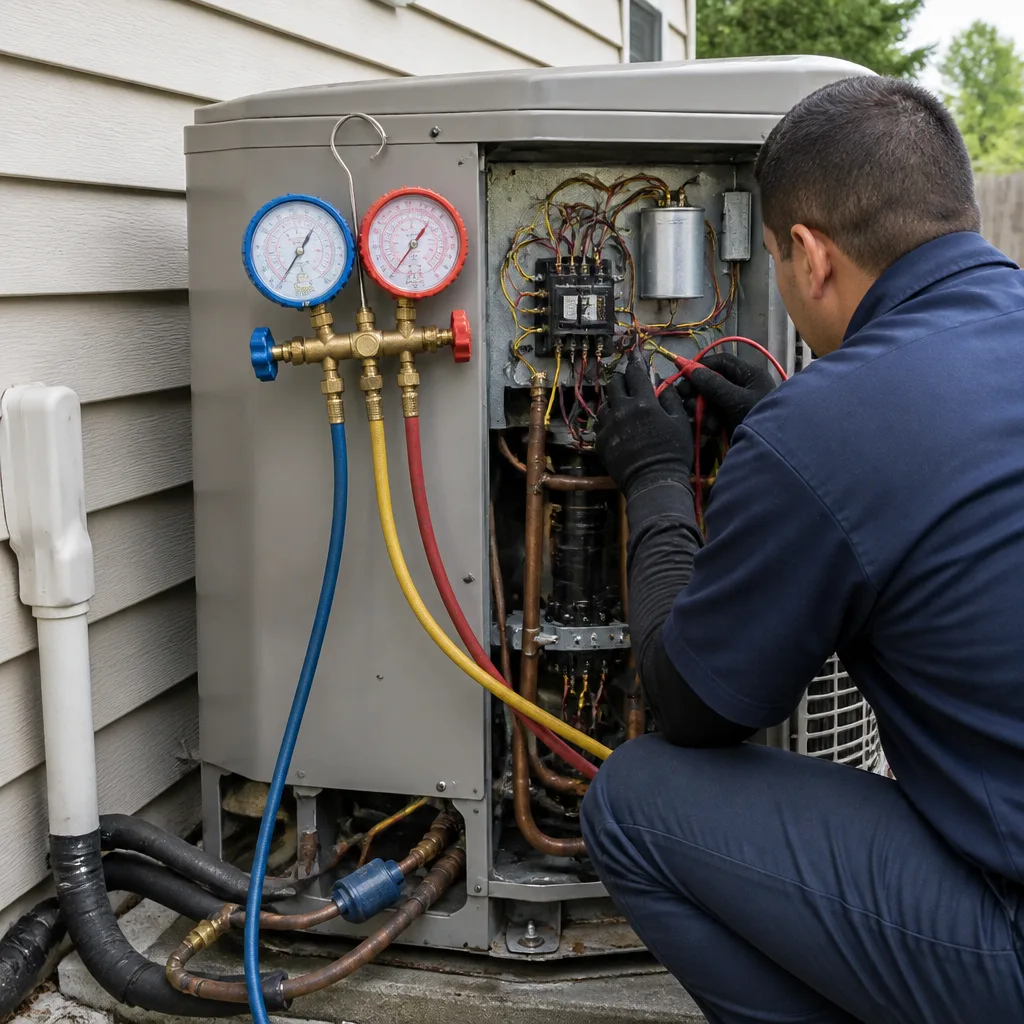 After
After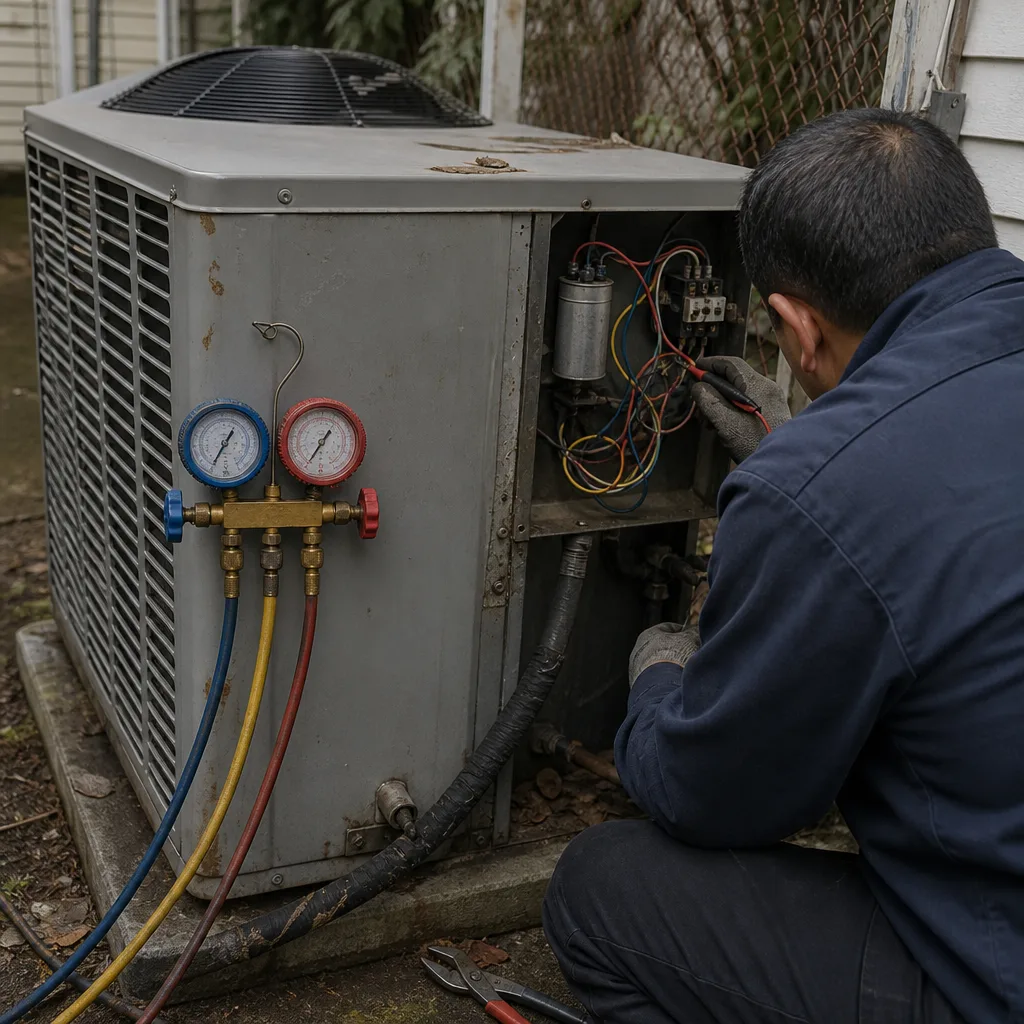 Before
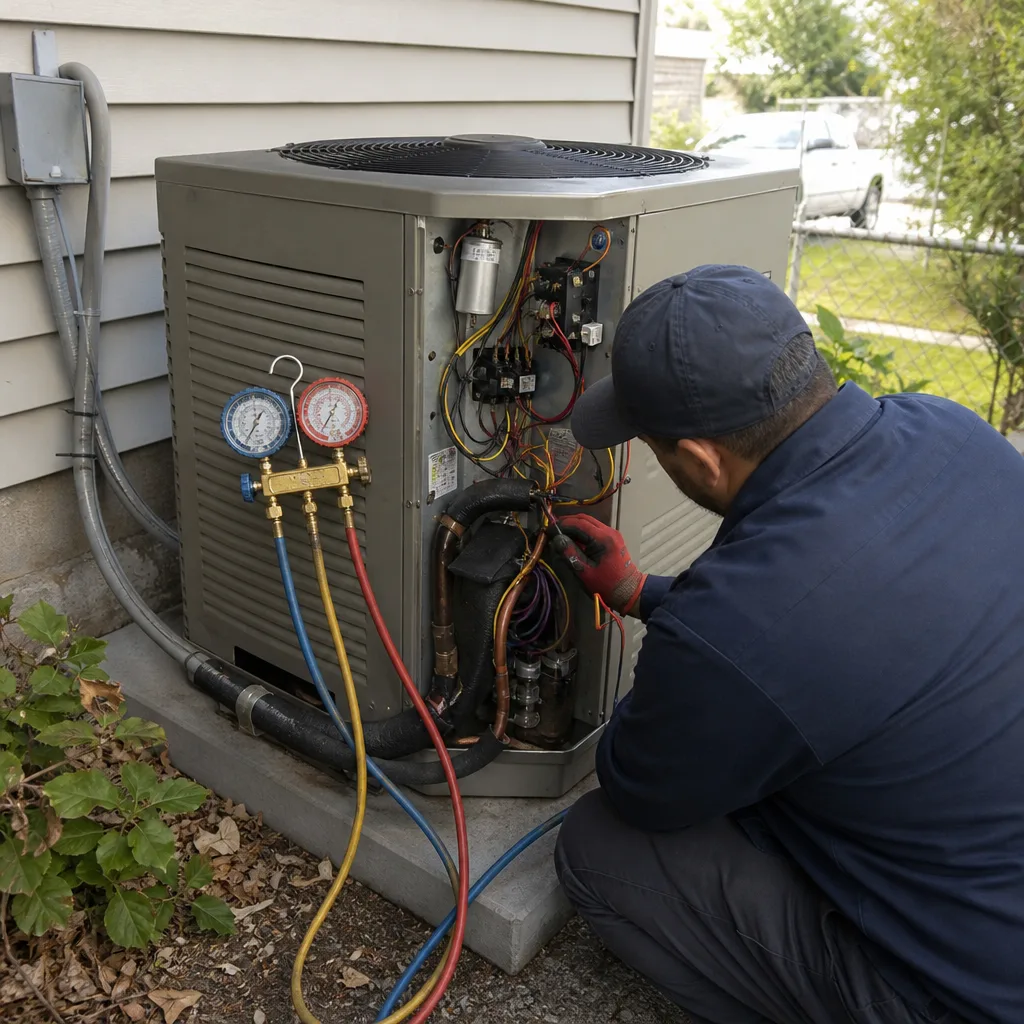 After
After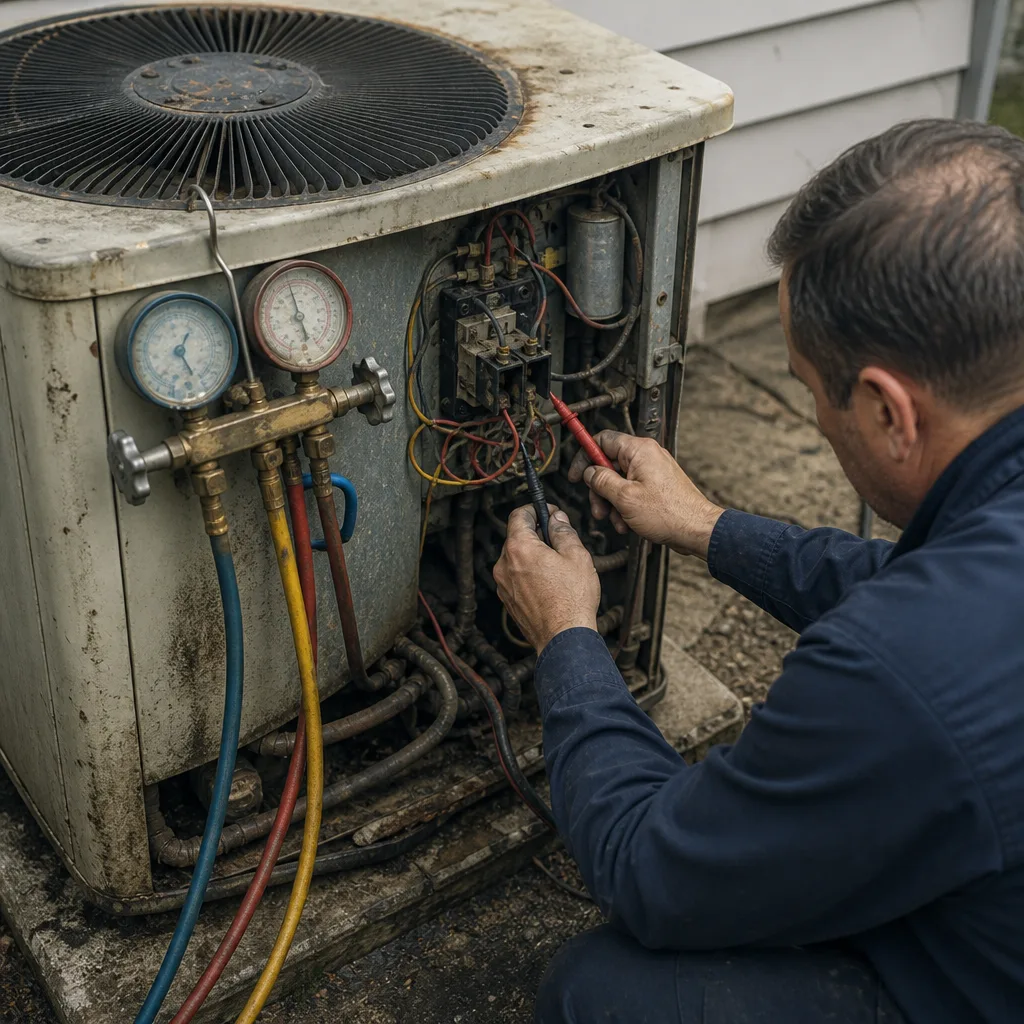 Before
 After
AfterWhen to Call a Professional
You’ve checked the filter, confirmed the vents are open, documented the symptom, and the problem persists. That’s the threshold. Anything involving refrigerant, gas connections, heat exchangers, electrical components, or ductwork beyond a visible joint is professional territory. These systems carry real risk: pressurized refrigerant, combustible gas, high voltage, and combustion byproducts. A Yonkers homeowner should never open a sealed system, adjust a gas valve, or probe electrical connections without training. The stakes are too high.
When the time comes, you want a company that gives you a written price before any work starts, arrives with a live tracking time instead of a four-hour window, and backs every repair with a written guarantee. Halden Heating and Air Yonkers offers free estimates in Yonkers. Call (838) 213-7827 and talk to a live person, any hour, any day. For everything in this guide, our Halden Heating and Air Yonkers home page has the full breakdown of how our process works, from booking to guarantee.
Frequently Asked Questions
Use the shut-it-off framework: constant rotten egg smell, electrical burning odor, visible smoke, carbon monoxide alarms, or airflow dropping to near zero in extreme weather are all emergencies. Everything else, including intermittent noises, mild smells, and uneven temperatures, can typically wait for a regular service call. When in doubt, call and describe the symptom. A live person at (838) 213-7827 can help you categorize it.
A sulfur smell that appears only during furnace cycles and fades when the unit is off usually points to a dirty or cracked heat exchanger, not a gas leak. A gas leak smells constant and is strongest near the unit itself. Both are serious: a cracked heat exchanger is a carbon monoxide risk. Shut the system off and schedule a furnace inspection. For a written diagnosis and honest pricing, call us at (838) 213-7827.
Diagnostic fees in Yonkers typically run $75 to $150 depending on the time of day and complexity. At Halden Heating and Air Yonkers, the diagnostic is covered when you proceed with the repair, and every repair includes a written price before any work starts. No surprises at the door, ever.
An AC that runs constantly without reaching the thermostat setting means the system is rejecting less heat than it should. Common causes include a low refrigerant charge from a slow leak, a dirty outdoor condenser coil, or a compressor that’s losing efficiency. The first step is an amp draw and pressure test to isolate the mechanical cause. For precise diagnostics and upfront pricing, call (838) 213-7827.
A properly maintained gas furnace in Yonkers typically lasts 15 to 20 years, while an AC condenser lasts 12 to 15 years. Variables include hard water exposure from humidifiers, salt air corrosion near the Sound, and how consistently filters were changed. Systems from brands like Goodman, Rheem, and Trane all hold up well when maintained annually.
You can’t prevent every failure, but annual maintenance catches most issues before they become emergency warning signs. A spring AC tune-up and fall furnace check, including filter change, coil cleaning, drain line clearing, and electrical connection tightening, extends equipment life and catches failures early. Written maintenance reports show exactly what was found, so you’re never guessing.
The Bottom Line
Your HVAC system communicates through sounds, smells, airflow, and energy use. Most warning signs are specific and mechanical, not mysterious. A banging startup means a loose blower wheel. A constant sulfur smell means gas leak. A cycling sulfur smell means heat exchanger. Weak airflow in one room means a duct problem. A bill spike means lost efficiency. Learning to describe these symptoms precisely, and documenting them with a short video, changes the entire service experience from guesswork to targeted repair. Yonkers adds its own wrinkles: hard water scale, salt air corrosion, and aging ductwork in older homes. Know the difference between watch-and-schedule and shut-it-off. And when you need a professional, expect a written price before work begins, a live arrival time, and a written guarantee on every repair. That’s not an unreasonable standard. It’s the baseline.
Written by Andre Fuller, Owner at Halden Heating and Air Yonkers, serving Yonkers since 2004.