
Last updated October 16, 2026
 AC repair
 Furnace & heating
 Heat pumps
 Ductless mini splits
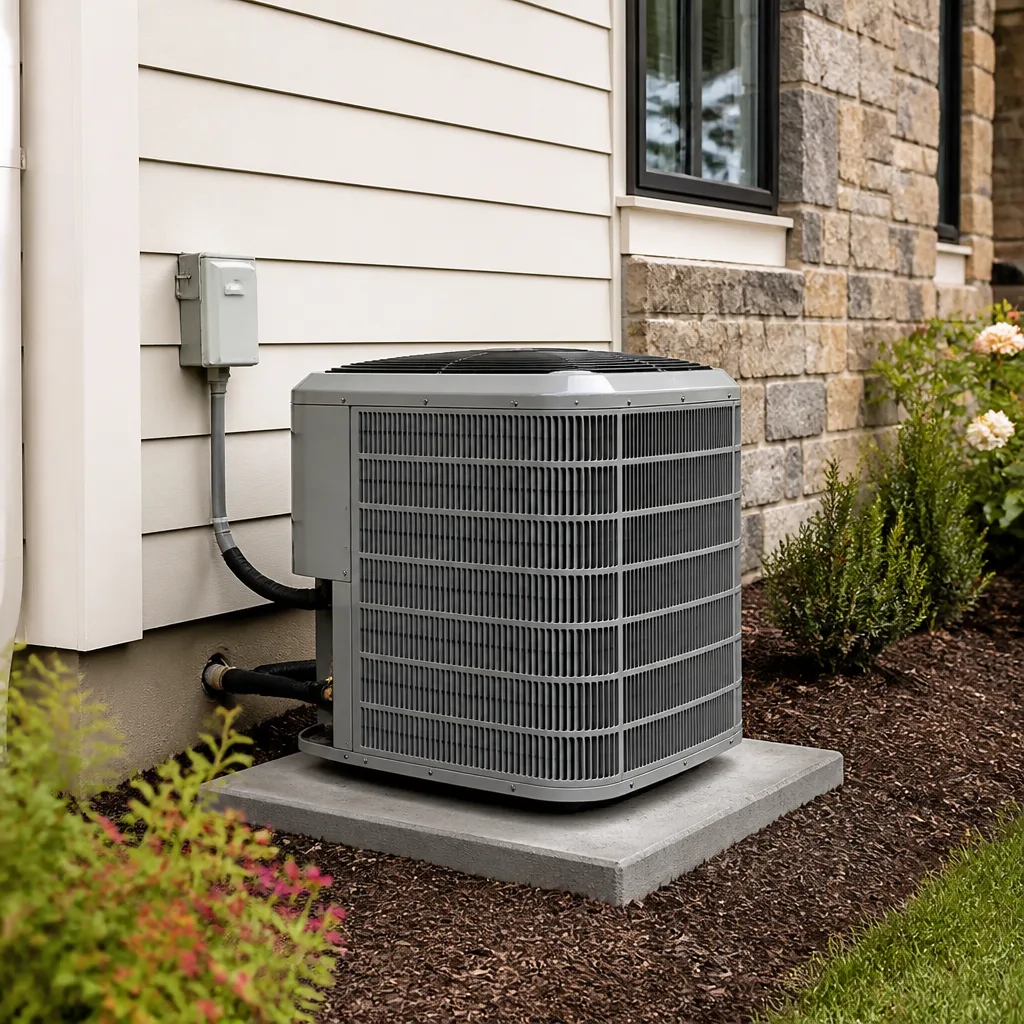 Carrier
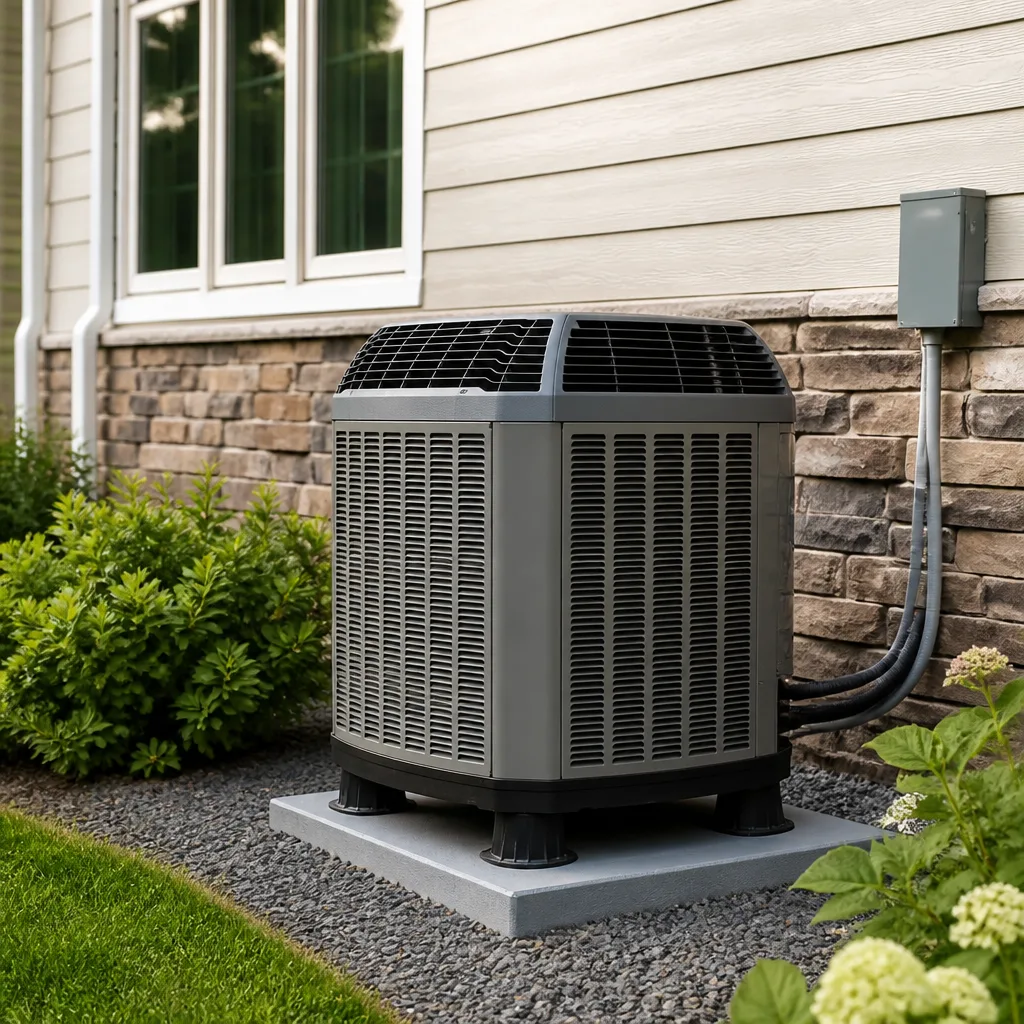 Trane
Trane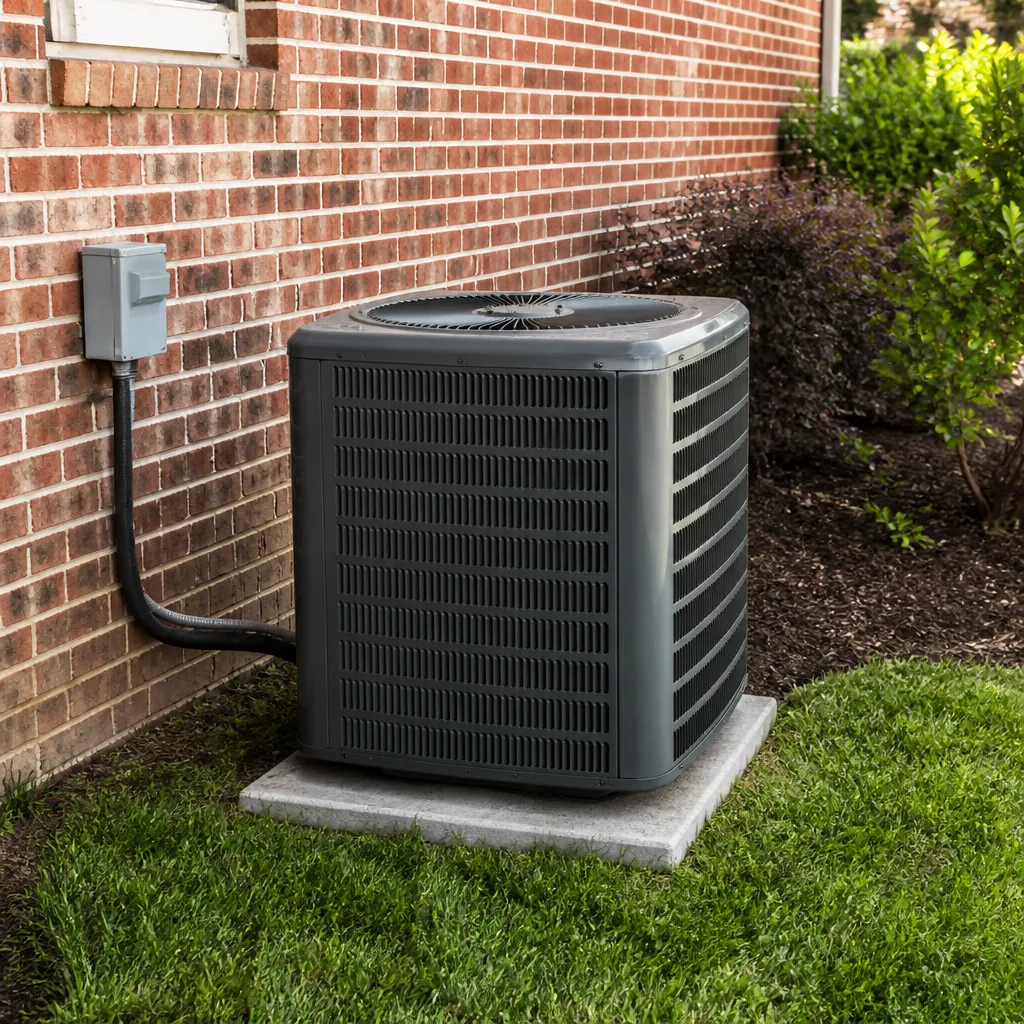 Goodman
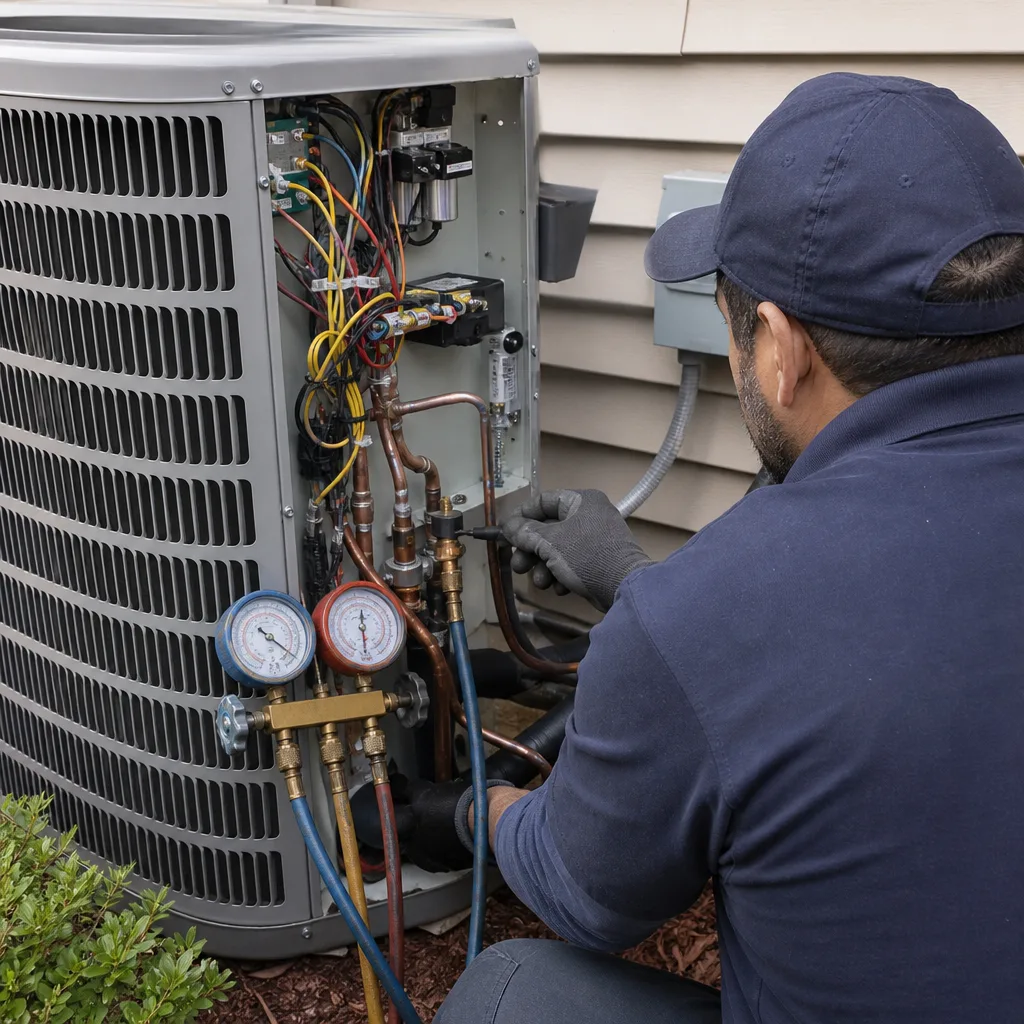
Seasonal tune-up and full diagnostic on your Carrier, Trane, or Goodman system - readings shown to you before any repair is proposed
Diagnosis first, numbers second - you approve the repair price before a single part goes in.
Get your free estimateSeasonal HVAC Care for Yonkers: Year-Round Homeowner’s Guide
The week after Thanksgiving is the single highest-volume emergency heating call window in Yonkers, and nearly every one of those calls is for a problem that was visible in October if anyone had looked. A furnace that struggles on the first genuinely cold night was already showing signs during fall start-up, if you knew what to listen for. This guide walks through what your heating and cooling system goes through during each of Yonkers’ four seasons, when specific types of maintenance actually matter, and how to time your service calls so you’re never calling at 2 a.m. because the heat quit during a nor’easter. For a deeper dive into keeping your system running year-round, see our The Complete Guide to HVAC in Yonkers.
Styles & brands we work with
Quick Answer
Seasonal HVAC care in Yonkers comes down to four annual non-negotiables: a fall furnace inspection in October before the heating season starts, a spring AC tune-up in April before the first heat wave, condenser clearing after summer storms, and occasional attention to your system’s outdoor components through Westchester’s freeze-thaw winter cycles. Book service during the shoulder seasons (April-May and October-November) to avoid peak-season emergency pricing and two-week wait times.
Table of Contents
- Spring: April-May Tune-Up and the Mold Window
- Summer: Condenser Clearing and the July Humidity Spike
- Fall: October Furnace Prep and the Steam Heat Question
- Winter: Freeze-Thaw Cycles and Emergency Patterns
- Why Shoulder Seasons Save You Money
- Winterizing Window Units and Mini-Splits
- A 12-Month Maintenance Calendar for Yonkers Homes
- Common Mistakes to Avoid
- When to Call a Professional
- Frequently Asked Questions
- The Bottom Line
Spring: April-May Tune-Up and the Mold Window
Spring in Yonkers starts wet. March through April bring the kind of persistent dampness that settles into basements, crawlspaces, and condensation lines, and it creates the single best environment for the biological growth that clogs AC drain lines come summer. Your air conditioner sits idle from October through late April in most Yonkers homes, which means dust, pet hair, and household debris accumulate on the evaporator coil and blower wheel while the unit is off. When you first fire up the AC in May, that accumulated material burns off as a musty odor, or worse, it gets wet and becomes a block in the drain line.
April is when we recommend booking an AC tune-up in Yonkers, not just for the mechanical inspection but because every day your system runs with a partially clogged drain line is a day it’s pushing moisture back into your home’s air supply. Most AC repair calls in June are for frozen coils, and a surprising number of those frozen coils trace back to airflow problems that a spring inspection would have caught. Following a thorough AC Repair Maintenance Checklist for Yonkers Homeowners can help prevent these mid-season failures. The tune-up itself should include a drain line flush, coil inspection, refrigerant level check, capacitor test, and a quick calibration of the thermostat. We call this the “shoulder season AC baseline” because it establishes a clean starting point before the heat forces the system into daily duty.
Here’s the thing about Yonkers that changes the spring math: homes here aren’t cookie-cutter. A house built in 1940 with a boiler-converted-to-forced-air system has different spring needs than a 2015 build with a high-efficiency Goodman heat pump. The older the home, the more likely the ducts run through unconditioned spaces, which means spring humidity gets pulled directly into the system’s airflow path. A spring inspection isn’t just checking the AC unit, it’s checking how your specific house has handled winter and what it’s dealing with now that the ground is thawing and the humidity is rising. We service everything from steam heat conversions in Runyon Heights to newer split systems up in Crestwood, and the spring checklist changes based on what we find, not what a generic maintenance template says.
Summer: Condenser Clearing and the July Humidity Spike
Ask any HVAC tech in Yonkers what the most common mid-July breakdown cause is, and you’ll hear the same answer: airflow. Not refrigerant leaks, not dead capacitors, not failed compressors. Airflow. The outdoor condenser unit sits outside your house all year, and by July, it’s been collecting pollen, grass clippings, cottonwood fluff, and the debris that summer thunderstorms blow through Westchester County. When that debris builds up on the condenser coil, the system can’t reject heat properly, which means it runs longer, draws more amperage, and eventually trips the high-pressure switch or overheats the compressor. That’s the AC call that happens at 4 p.m. on the hottest day of the year, when your neighbor’s graduation party is in two hours.
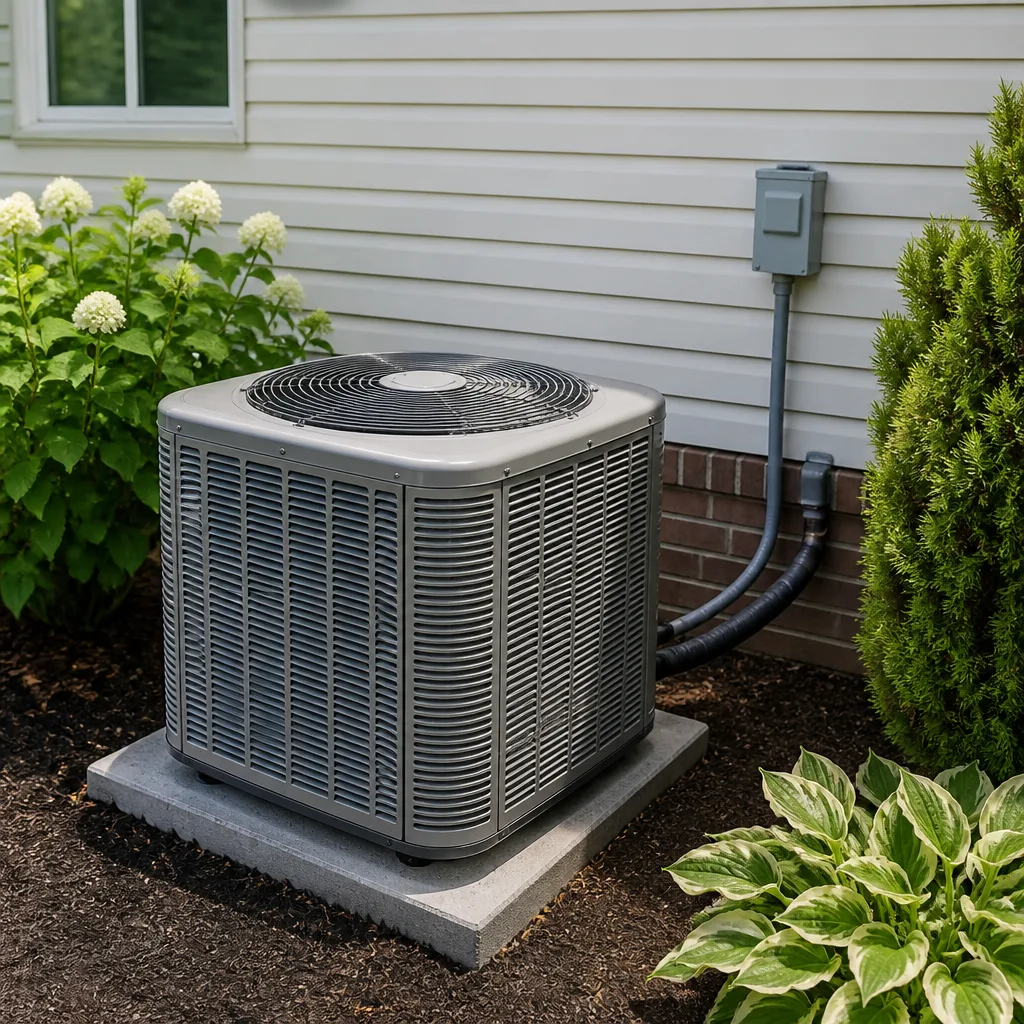
The ten-minute task that prevents this: walk outside after every significant summer storm and look at your condenser. If you see leaves, grass, whirligig seeds, or any debris clinging to the fins, kill the power at the disconnect box and use a garden hose with a gentle spray to wash the debris off. Don’t use a pressure washer, that bends the aluminum fins. Do this from the top down, and never spray directly into the electrical compartment. If the fins are visibly matted down with a decade of pollen, that’s a coil cleaning job for a hose and fin comb, which is a standard part of professional AC maintenance and worth having done if the unit is more than four or five years old.
Summer is also when Yonkers’ humidity turns from an inconvenience into an indoor air quality problem. The Hudson River and the Sound on either side of us mean a summer dew point that regularly hits the low 70s in July and August, which is the level where a properly charged and tuned AC becomes a dehumidification system and a slightly undercharged one becomes a mold incubator. If your AC runs constantly but the indoor humidity stays above 60%, you have an airflow or refrigerant issue, not a can’t-keep-up issue. A system that can’t pull moisture out of the air while it runs feels 8-10 degrees warmer than the thermostat says, and you’ll find yourself cranking the setpoint lower while the house still feels sticky. If you’re dealing with this, an AC repair in Yonkers needs to start with a refrigerant and airside inspection, not just recharging and hoping. Every job we do starts with a written price before any work begins, so you know exactly what the fix costs before anyone touches the unit.
Fall: October Furnace Prep and the Steam Heat Question
October is the month HVAC professionals in Yonkers would choose for their own furnace maintenance, and that timing isn’t accidental. The first hard frost in Yonkers typically arrives in the third or fourth week of October, give or take a week depending on whether you’re closer to the Hudson or up on one of the hills. When that first cold snap hits, every furnace in the city cycles on at once for the first time in six months, and the ones that have been quietly accumulating problems all summer are the ones that fail.
A fall furnace inspection should cover: the heat exchanger for cracks, the burners for proper ignition and flame pattern, the flue for blockages, the blower motor and belt for wear, the air filter, the thermostat calibration, and the carbon monoxide test. That last one isn’t optional. Yonkers has a large stock of pre-1950 homes, and a meaningful number of those homes still run on steam heat with a gas or oil boiler. Creosote buildup, a blocked chimney, a failed draft inducer, these aren’t the kind of problems you want to discover with a CO detector going off at 3 a.m. in January.
If you own a pre-1950 Yonkers home with steam radiators, your fall checklist has steps the forced-air houses skip entirely. Steam heat doesn’t move hot air through ducts; it boils water and pushes steam through pipes to cast-iron radiators that heat the room by radiation and convection. The system’s pressure controls and vents are adjusted seasonally, and the radiators need to be bled of air at the start of the season or you’ll get banging pipes and uneven heat. Those banging pipes aren’t just noise, they’re water hammer, and enough of it over a decade can crack a fitting inside a wall. Fall steam prep means checking the pressuretrol setting, bleeding each radiator in a specific order (top floor first, working down), making sure all steam vents open and close properly, and confirming the water level in the boiler is where the manufacturer’s gauge says it should be.
For furnace owners, September and October are also the months to handle the small issues that become big ones in January. A blower motor that whines on start-up, a pilot light that takes four attempts to stay lit, a thermostat that swings six degrees off the setpoint before the system responds. These are all visible in October. The week after Thanksgiving, they’re all emergency calls. Furnace repair in Yonkers is heavily clustered in that post-Thanksgiving to mid-December window, and most of what we find in that stretch was detectable at the fall tune-up, which is why we push October service so hard. Every repair we complete comes with a written guarantee, and if the furnace fails again within the coverage window, we return at no charge, no argument, no phone tag. That guarantee matters most when it’s 15 degrees out and a furnace that passed inspection two months ago suddenly won’t stay lit.
Winter: Freeze-Thaw Cycles and Emergency Patterns
Yonkers winters are defined by the freeze-thaw cycle. The average January low hovers right around the freezing mark, and February brings the classic Westchester pattern of a 12-degree night followed by a 45-degree rain day. That cycle is hard on HVAC equipment in ways that have nothing to do with how well the furnace itself is running.
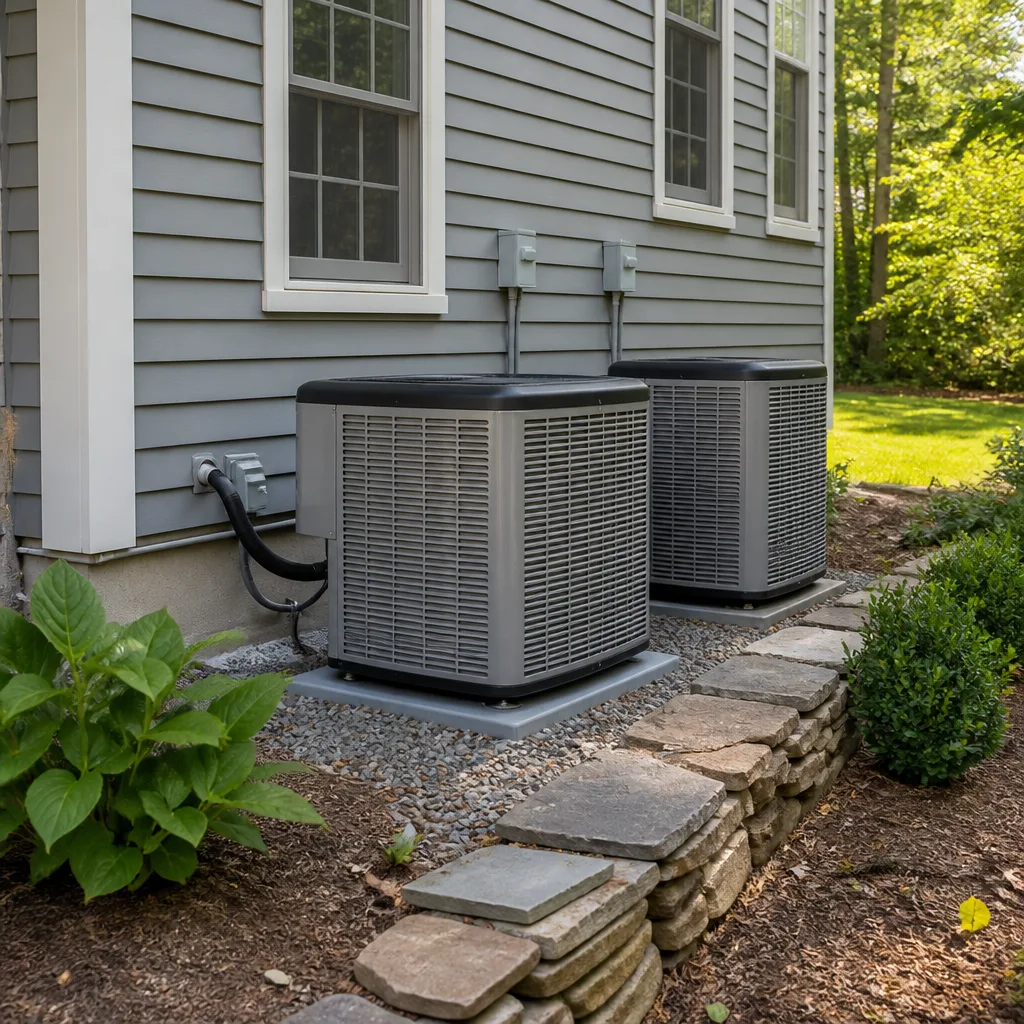
The most under-diagnosed winter problem in Yonkers is the heat pump outdoor unit icing over. Heat pumps are designed to defrost themselves, and they do it by briefly reversing the refrigerant flow to send heat outward and melt the ice off the coils. But when temperatures swing rapidly, or when snow drifts against the unit, or when the defrost cycle can’t keep up with a particularly wet freeze, the unit builds up ice faster than it can shed it. A heavily iced heat pump runs worse, which means it defrosts more often, which means it runs worse, which is the cycle that leads to a burned-out outdoor fan motor or a damaged compressor. If you see ice buildup on your heat pump that doesn’t melt within a couple of hours, particularly on the top grill or the fan blades, that’s a call to make before the unit damages itself.
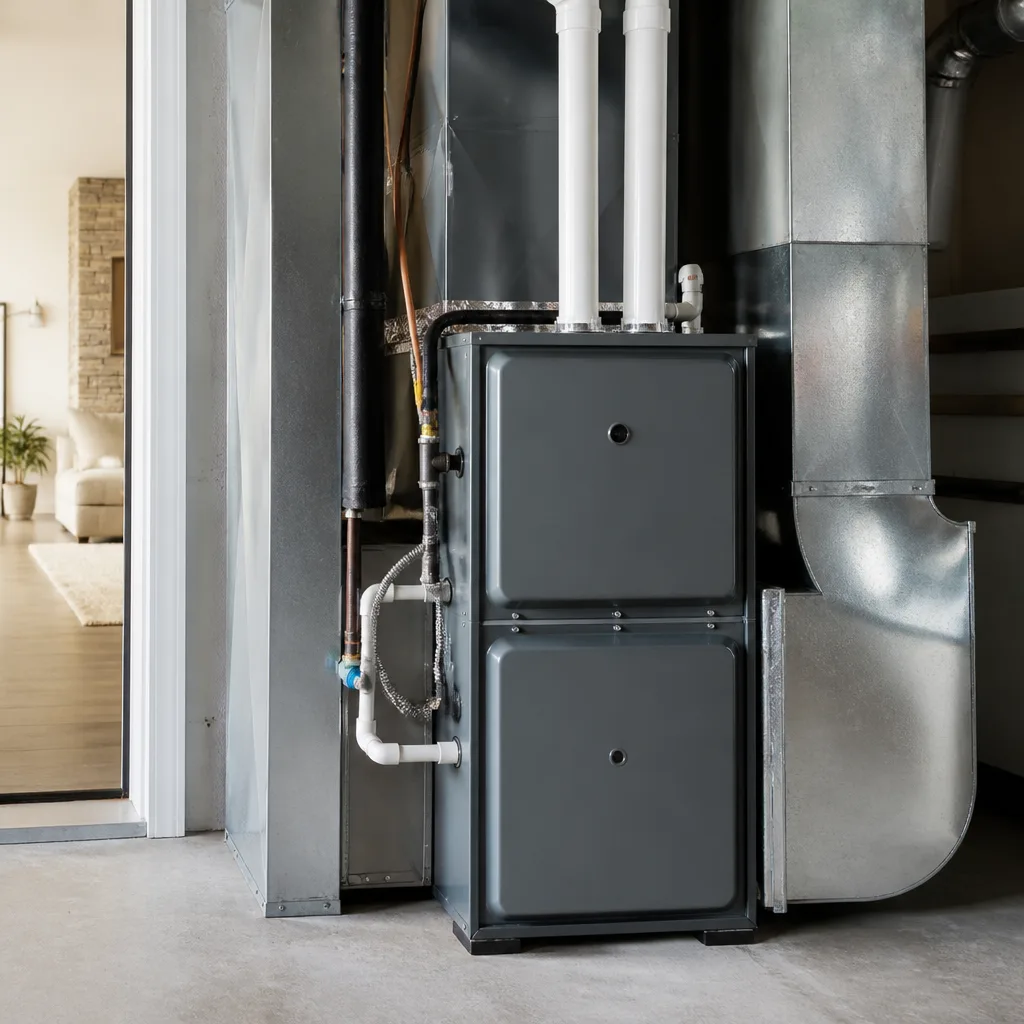
Furnace emergencies in winter follow a pattern too. The first real cold snap of the season, regardless of what the calendar says, produces a wave of no-heat calls. The second wave comes after the first extended freeze, when a week of continuous operation exposes weak capacitors, failing ignitors, and inducer motors on their last legs. The third wave comes with the first ice storm or heavy snow, when intake and exhaust vents get buried or blocked and furnaces shut down on safety lockouts. The fix for that last one is often simple: clear the snow away from the vent pipes outside your house. A blocked intake pipe starves the furnace of combustion air, and an obstructed exhaust pipe triggers a pressure switch fault that shuts the system down. If you have a high-efficiency furnace with white PVC pipes sticking out the side of your house, know where those pipes are and check them after every storm.
If you do find yourself with no heat at midnight in February, you should know that Halden Heating and Air answers calls around the clock with a live person, not a voicemail prompt. You’ll get a real human on the phone, a written price before any work starts, and a service visit with a live arrival time you can track to your door, no four-hour windows. That’s the way emergency service should work, and it’s the only way we do it.
Why Shoulder Seasons Save You Money
April and October are the two months of the year when HVAC demand in Yonkers is at its lowest, and that means two things that matter to homeowners: scheduling availability is wide open, and non-emergency service pricing is at its most favorable. This isn’t a promotional gimmick. It’s capacity and urgency. In July, when the high in Yonkers hits 88 and the humidity is at 70%, every HVAC company in Westchester is running emergency calls back-to-back, and the wait for a non-emergency appointment stretches into days or weeks. In April, that same company can schedule you within 24-48 hours and give you the full attention of a senior technician for a routine tune-up.
There’s a second cost benefit that most homeowners don’t think about. An HVAC system that’s maintained in the shoulder seasons lasts longer because it doesn’t accumulate damage from running faulty. A dirty condenser coil increases compressor head pressure, which increases compressor wear, which shortens compressor life. A clogged drain line causes evaporator freeze-ups, which cause short cycling, which stresses the entire system. A furnace with a weak capacitor runs with lower airflow, which stresses the blower motor and the heat exchanger. Every month you run the system with one of these problems present is a month of accelerated wear, and the components that wear are the expensive ones. A $150 April tune-up that catches a failing capacitor prevents a $1200 compressor replacement in August. That’s not a sales pitch, that’s the actual arithmetic of deferred maintenance.
We also recommend booking the fall tune-up early because Yonkers’ housing stock creates variable demand. Homes in Park Hill and Ludlow with newer forced-air systems and homeowners who are diligent about filters can sometimes stretch a fall inspection into early November. Homes in the neighborhoods with older boilers, steam heat, or converted systems need the full October window, because a boiler that hasn’t been checked in a decade doesn’t get a 20-minute once-over. The earlier you book, the more likely you are to get a date that fits your schedule and a technician who isn’t running a six-call emergency backlog. Book online, get a live arrival time, and track your tech to the door, that’s the relay standard every Halden appointment is built on.
Winterizing Window Units and Mini-Splits
Sometime between late September and mid-October, most Yonkers homeowners do the annual dance with window AC units: drag them out, clean them off, stash them in the basement, and vow to deal with them next spring. Most people don’t actually clean them first, and the result is a window unit that smells like wet dog and basement dust when it’s fired up the following May. The proper routine is simple: run the unit on fan-only mode for a solid hour to dry out the interior, remove and wash the filter, wipe down the evaporator coil with a coil cleaner spray, and drain the unit completely before storing it upright in a dry location. Window units stored on their side tend to pool water in places that promote corrosion and the kind of biological growth that makes that first spring start-up smell like mildew.
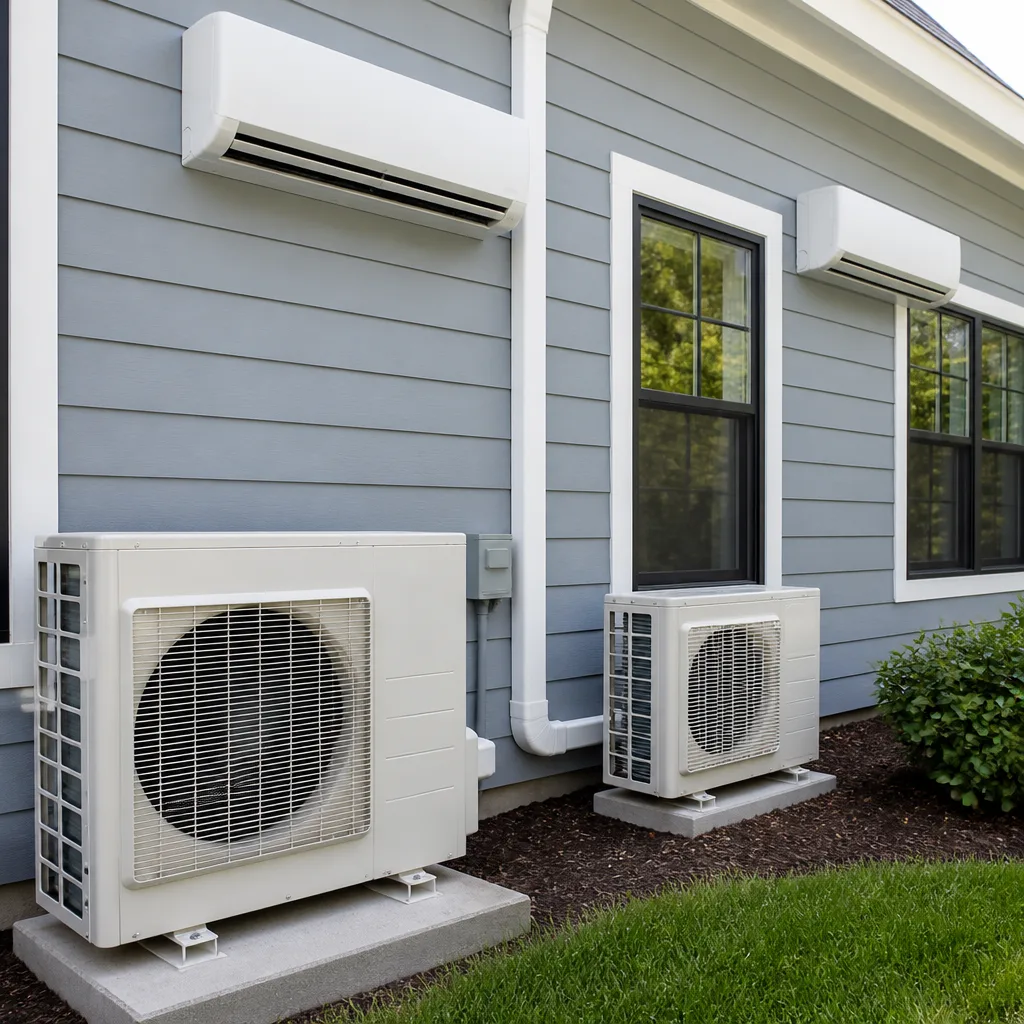
Mini-split systems don’t get removed for winter, but their outdoor heads need specific attention. A mini-split heat pump in Yonkers will run through the winter in heat mode (though not solely, most homes use it as a supplement), and its outdoor unit faces the same ice and snow problems as any heat pump. The winterization steps are: clean the outdoor coil, check that the unit’s drainage path is clear, clear any debris from around the base, and ensure the unit is mounted high enough that repeated freeze-thaw cycles won’t leave it sitting in a puddle of ice. If your mini-split is a cooling-only unit (rare now, but some Yonkers homes have them), the outdoor condenser should be covered with a manufacturer-approved breathable cover or at least protected from ice and snow buildup, but never wrapped in plastic, which traps condensation against the coil and corrodes it.
If you’re in the market for a new system rather than nursing an old one, this fall is a good time to think through replacement options. AC installation in Yonkers is less rushed in October and November, and you’ll have more flexibility on equipment selection. We carry and service all the major brands including Lennox, Rheem, and York, so the conversation about a replacement isn’t limited to one manufacturer’s lineup. The Relay Visibility Guarantee applies to installs too: written price before work begins, live arrival tracking, and a 365-Day Done Right Promise that puts a full year of accountability behind the work.
A 12-Month Maintenance Calendar for Yonkers Homes
Here’s the rhythm we recommend for Yonkers homeowners, month by month, tuned to the actual weather we get in Westchester County. This is the calendar that prevents the post-Thanksgiving emergency rush and the mid-July condenser meltdown.
- January: Check the furnace air filter monthly during peak heating season. In older homes with hot-water or steam radiators, listen for gurgling or banging that indicates trapped air or a low water level, and check the boiler pressure gauge weekly if you have a steam system.
- February: Continue monthly filter changes. After snowfalls and ice storms, clear snow from around the outdoor heat pump or AC condenser and verify that high-efficiency furnace intake and exhaust pipes are free of snow and ice.
- March: The shoulder season starts. Begin watching for the first signs of spring: thawing ground, rising indoor humidity, and the start of pollen season. If you haven’t changed the filter since December, do it now.
- April: Book the annual AC tune-up. This should include drain line flush, coil cleaning, refrigerant level check, capacitor test, thermostat calibration, and a general system inspection. April is also the month to check that the condensate drain line is draining freely, run the AC for 15 minutes to verify it produces cool air, and clean any daylight-basement dehumidifier.
- May: The AC starts daily duty. Listen for unusual sounds on start-up, watch for musty odors that indicate coil or drain line issues, and set the thermostat to a consistent schedule rather than large swings.
- June: The humidity spike begins. Monitor indoor humidity levels. If the AC runs constantly but humidity stays above 60%, there’s an airflow or refrigerant issue that should be addressed before the July heat peaks.
- July: Peak summer heat and the start of thunderstorm season. After every storm, check the outdoor condenser for debris and clear it. The highest volume of AC emergency calls in Yonkers happens this month, and most are airflow-related.
- August: Continue condenser checks. Late August is also when the cumulative summer strain shows up as failing capacitors and weak compressors. If your AC is blowing warm or the compressor is short cycling, this is the month to catch it.
- September: Start the transition to heating season. Clean and store window units. Schedule the furnace inspection for early October. Test the furnace on a cool day to verify it starts, runs, and produces warm air before it’s needed for real.
- October: Complete the furnace inspection and steam system checks described in the fall section. This is the non-negotiable month for heating maintenance in Yonkers.
- November: Heating season begins in earnest. Change the furnace filter monthly from here through March. Check steam radiators for proper heat distribution, and bleed any that are cold at the top.
- December: Peak heating load. Listen for unusual furnace sounds, maintain monthly filter changes, and keep outdoor vents clear of snow. If the furnace makes a rumble, pop, or banging sound, call before it becomes a no-heat situation.
Common Mistakes to Avoid
- Skipping the October furnace inspection and waiting for a cold snap to test the system. The week after Thanksgiving is Yonkers’ single highest emergency heating call window, and most of those failures were detectable in October.
- Ignoring a whining or banging furnace because it still produces heat. That noise is a mechanical problem announcing itself. Banging steam pipes are water hammer, and enough of it will eventually crack a fitting inside a wall or at a drain point.
- Using a pressure washer to clean the outdoor AC condenser. You’ll bend the aluminum fins faster than you’ll clean them, and the unit will overheat from the airflow restriction you just created. A garden hose with a gentle spray is the right tool.
- Storing window AC units on their side or without drying them first. Pooled water corrodes the interior and creates the musty smell that greets you next spring. Run the unit on fan-only for an hour, drain it completely, and store it upright.
- Running the AC with a clogged air filter, thinking it just needs to run longer because it’s hot. A dirty filter restricts airflow across the evaporator coil, which causes ice formation, which causes the system to run worse and eventually short cycle on the safety limits.
- Ignoring rising indoor humidity in July because the thermostat says the temperature is fine. Yonkers’ summer humidity makes a house feel 8-10 degrees warmer than the thermostat reads, and a system that can’t dehumidify is a system that needs service, not a system that just can’t keep up.
- Waiting until a heat pump is completely encased in ice to call someone. Ice damage to the outdoor fan motor and compressor is cumulative. If defrost cycles aren’t clearing the coils, call before the unit damages itself.
When to Call a Professional
Routine maintenance tasks like changing filters, clearing condenser debris after storms, and bleeding steam radiators are well within a Yonkers homeowner’s wheelhouse. But some situations call for a professional, either because the repair is complex, dangerous, or both. If you’re unsure which category your issue falls into, our DIY vs Professional HVAC: The Yonkers Homeowner’s Decision Guide breaks down exactly when to pick up the phone. Call a professional if you smell gas or burning, if the furnace makes loud banging or grinding sounds that don’t respond to basic troubleshooting, if the AC blows warm air despite a clean filter and clear condenser, if water is pooling around the indoor unit, if the circuit breaker for the HVAC system trips repeatedly, or if the heat exchanger inspection reveals cracks during a maintenance visit. Heat exchangers and combustion safety aren’t DIY areas. A cracked exchanger can leak carbon monoxide into the home, and that’s a hazard no homeowner should gamble with. Halden Heating and Air offers free estimates in Yonkers, call (838) 213-7827 for a professional evaluation.
Frequently Asked Questions
Most Yonkers homeowners pay between $100 and $250 for a seasonal tune-up, depending on whether it’s a basic inspection or a comprehensive cleaning with coil service and drain line flush. A fall furnace inspection typically runs $100-$200, while an April AC tune-up with coil cleaning is usually $150-$250. Call (838) 213-7827 for an exact written quote, free of charge, before any work begins.
As a general rule, if the repair costs less than 30% of a new furnace’s price and the unit is under 12-15 years old, repair makes sense. If the heat exchanger is cracked, the unit is over 15 years old, or you’re looking at a repair bill over $1,500 on an older system, replacement is usually the better long-term value. Halden Heating and Air provides honest assessments without a sales pitch, and every recommendation comes with a written price before any work starts.
Yes. Halden Heating and Air maintains emergency service coverage throughout Yonkers and the surrounding Westchester County areas, and a live person answers our phones 24 hours a day, 7 days a week, no voicemail trees. We’ll give you a written price before we begin and send a technician with a live arrival time you can track to your door. Call (838) 213-7827.
Change the air filter. A clean filter is the single most effective DIY maintenance task a Yonkers homeowner can perform, and it takes two minutes. During peak heating and cooling season (November-January and June-August), check it monthly and replace it when it becomes visibly dirty. A clogged filter starves the system’s airflow, which strains the blower motor, shortens the equipment’s life, and drives up energy bills.
Ohio and national-level rebate programs change regularly, and some programs are tied to equipment efficiency ratings. New York State, Con Edison, and various federal programs offer incentives for high-efficiency heat pumps and variable-speed equipment in Yonkers. Halden Heating and Air handles rebate and financing paperwork on system replacements, and we’ll walk you through what applies to your specific home and equipment choice. If you’re considering AC installation in Yonkers, call (838) 213-7827 to discuss the current programs.
After every significant summer storm, do a visual check and clear any visible debris with a garden hose. Beyond that, a proper coil cleaning with the appropriate fin comb and coil cleaner should happen once a year as part of your spring AC tune-up in Yonkers. Homes near busy streets, construction, or with a lot of landscaping around the condenser may need more frequent cleaning.
The Bottom Line
Yonkers gives homeowners four distinct seasons, and each one stresses a different part of the HVAC system in a predictable sequence. The spring dampness challenges drain lines and air quality, the summer heat and storm debris stress the condenser and compressor, the fall start-up reveals whatever the furnace has been hiding, and the winter freeze-thaw cycle punishes heat pumps and exhaust vents. The homeowners who avoid emergency calls are the ones who schedule April and October maintenance, change filters monthly year-round, clear the condenser after summer storms, and deal with weird noises in September instead of January. That’s the entire secret, and it’s not really a secret. Halden Heating and Air Yonkers has been serving the city since 2004, and the homes that call us on schedule aren’t the ones calling at 2 a.m. in February.
Written by Andre Fuller, Owner at Halden Heating and Air Yonkers, serving Yonkers since 2004.
See the difference
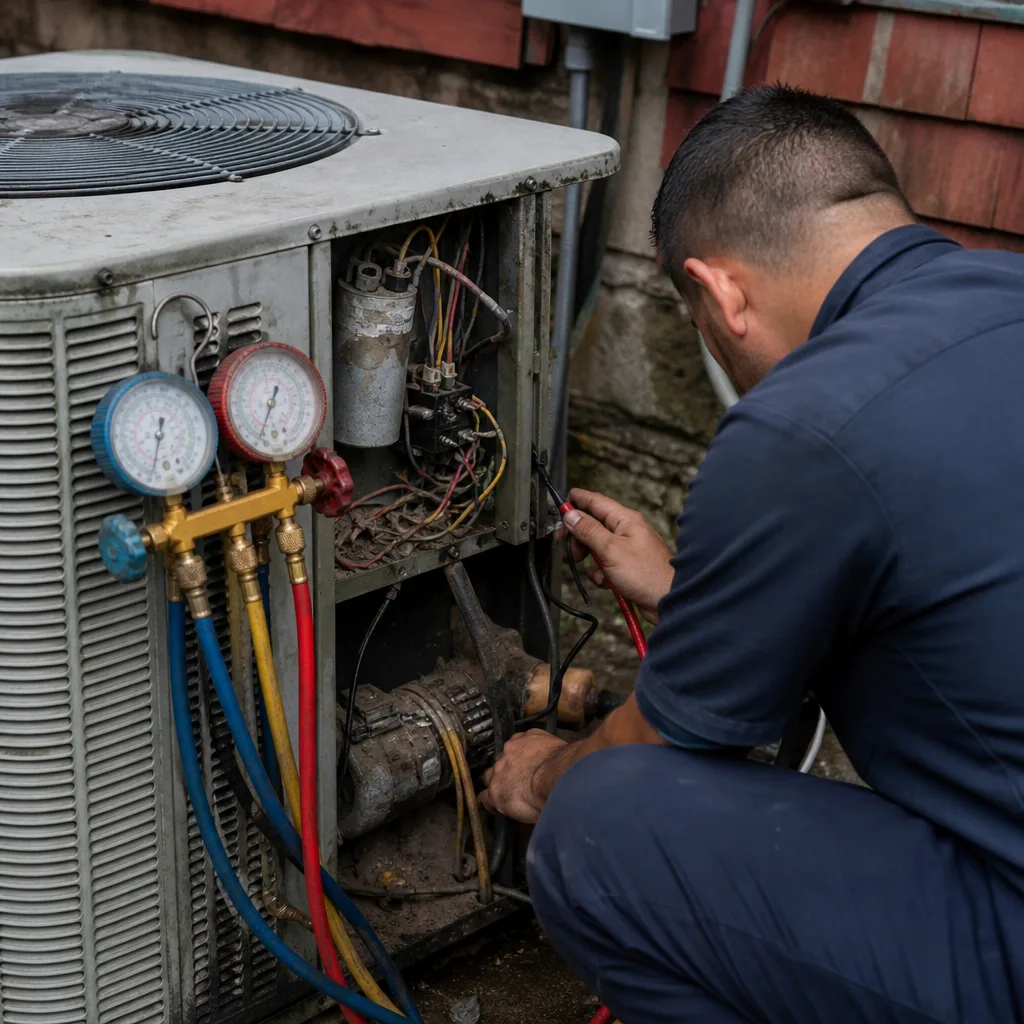 Before
 After
After Before
 After
After Before
 After
After