
Last updated October 16, 2026
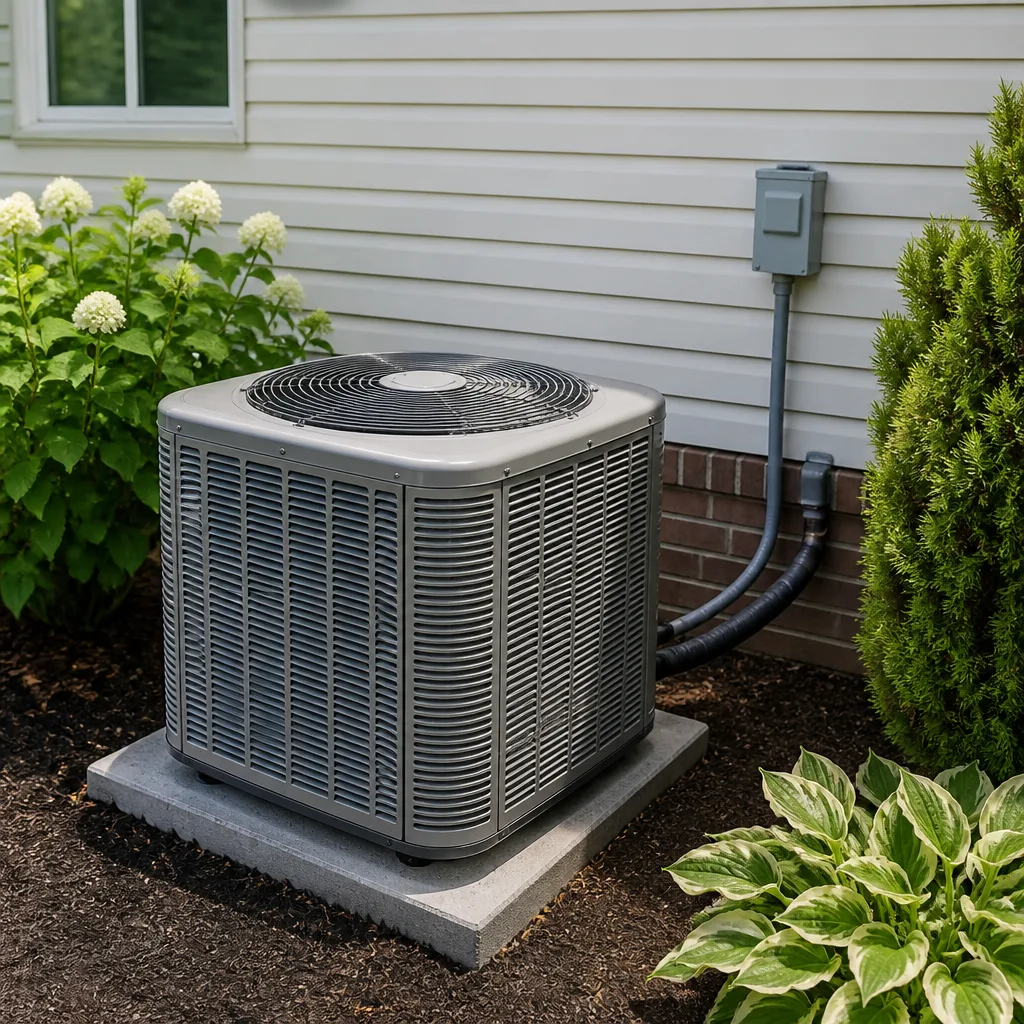 AC repair
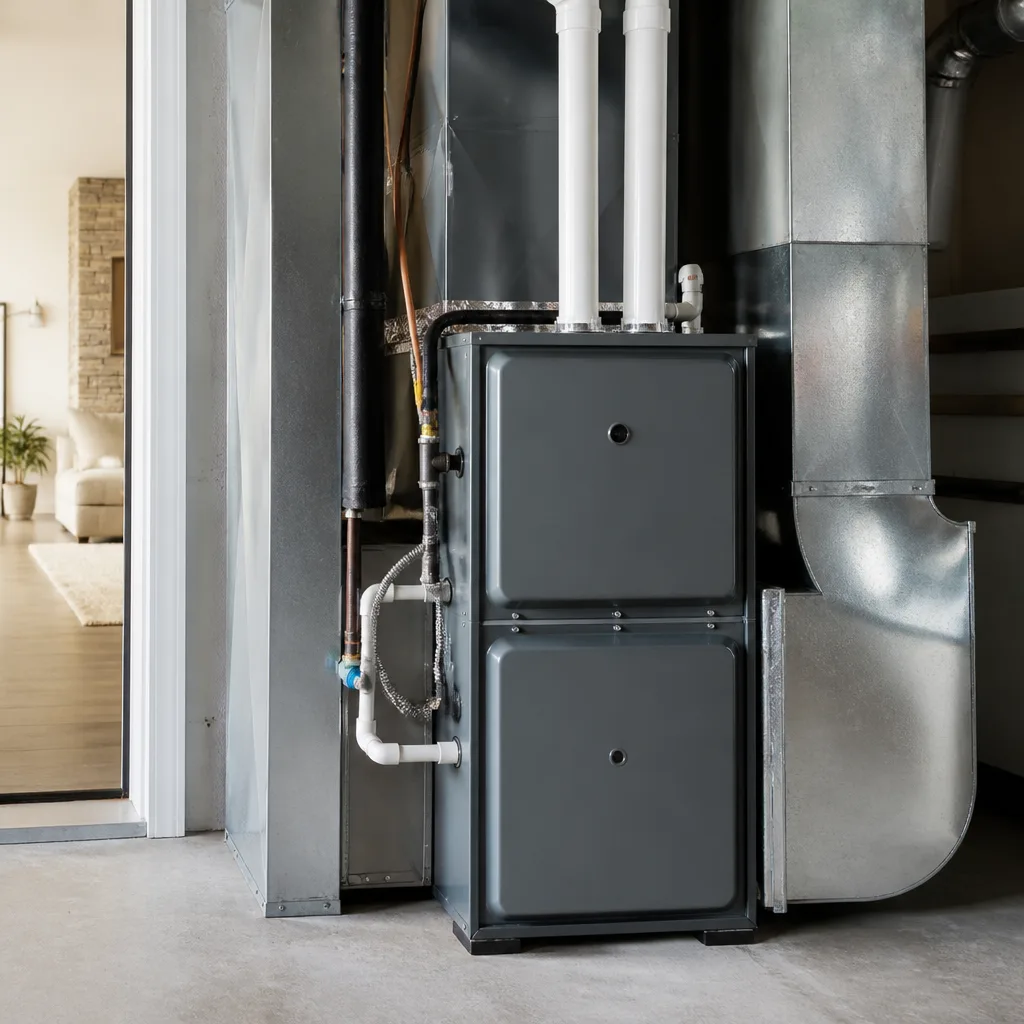 Furnace & heating
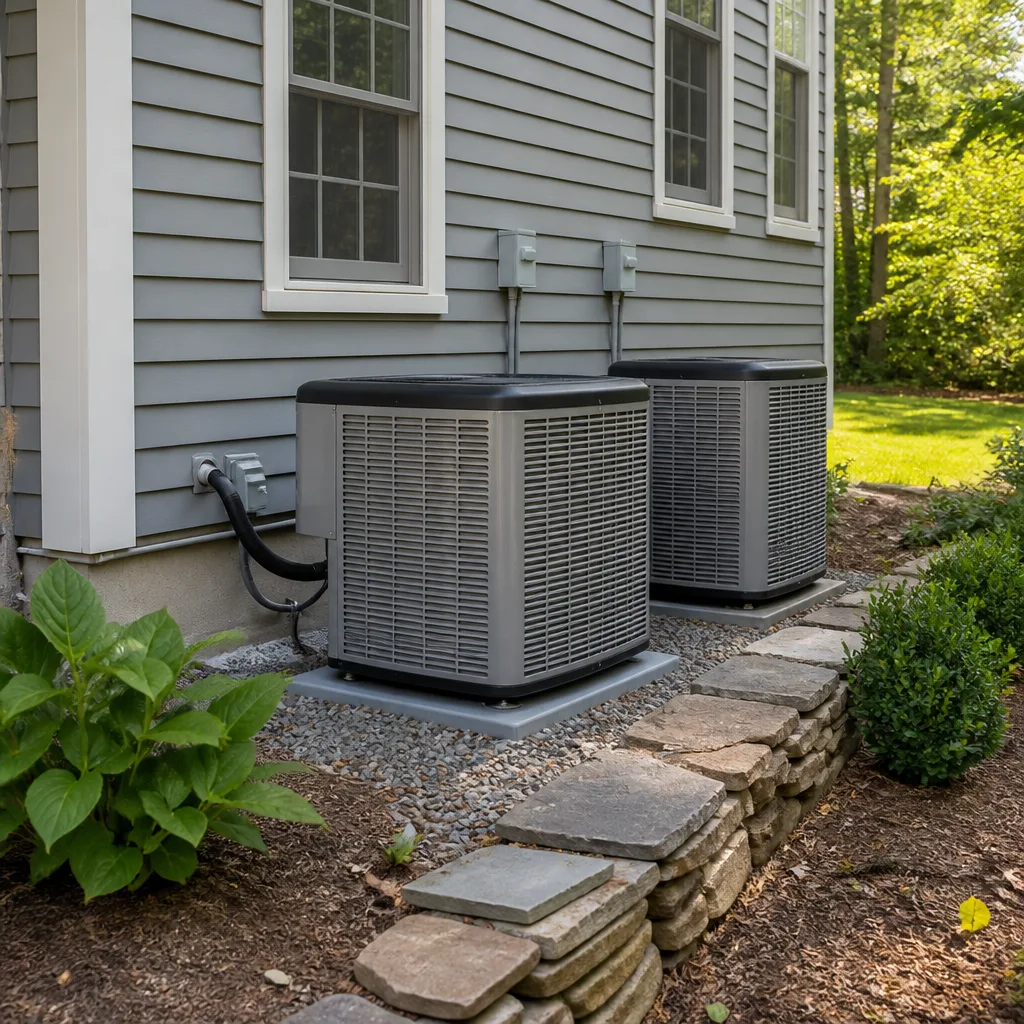 Heat pumps
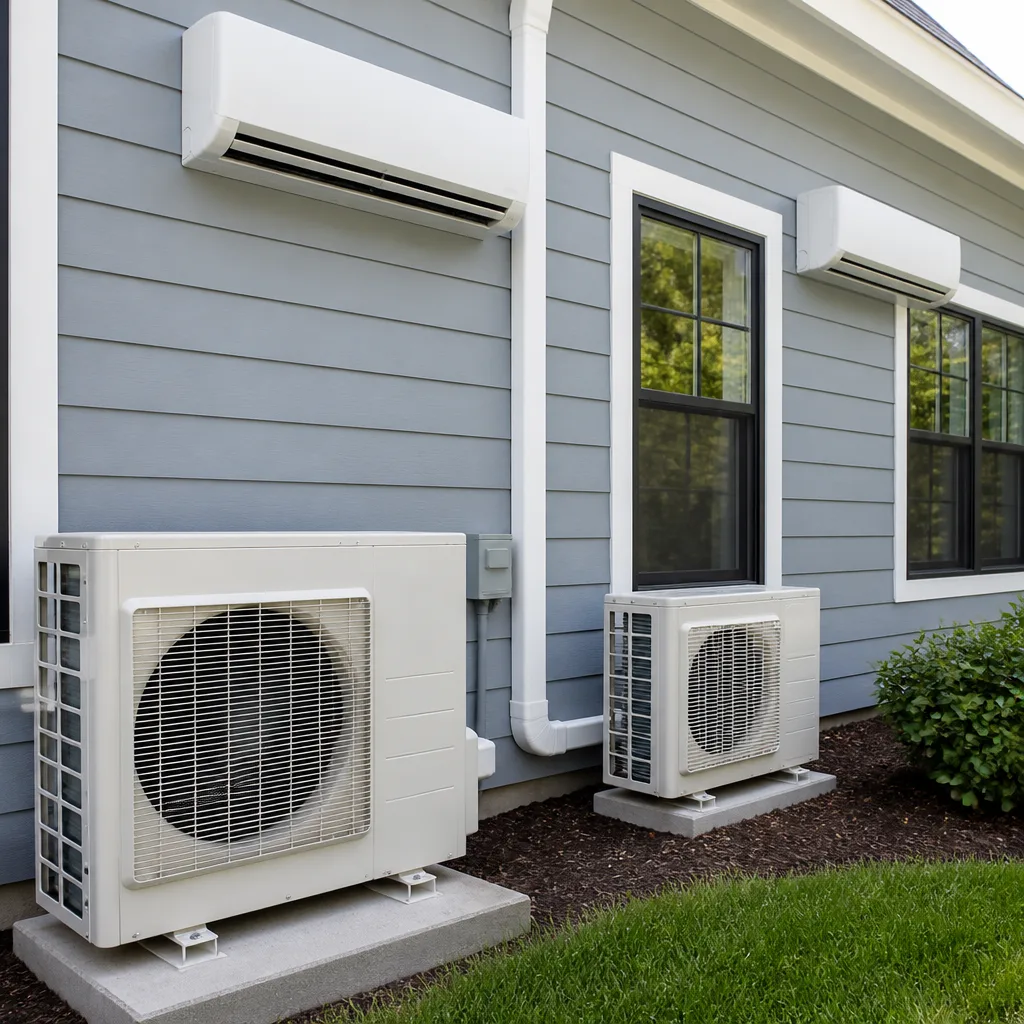 Ductless mini splits
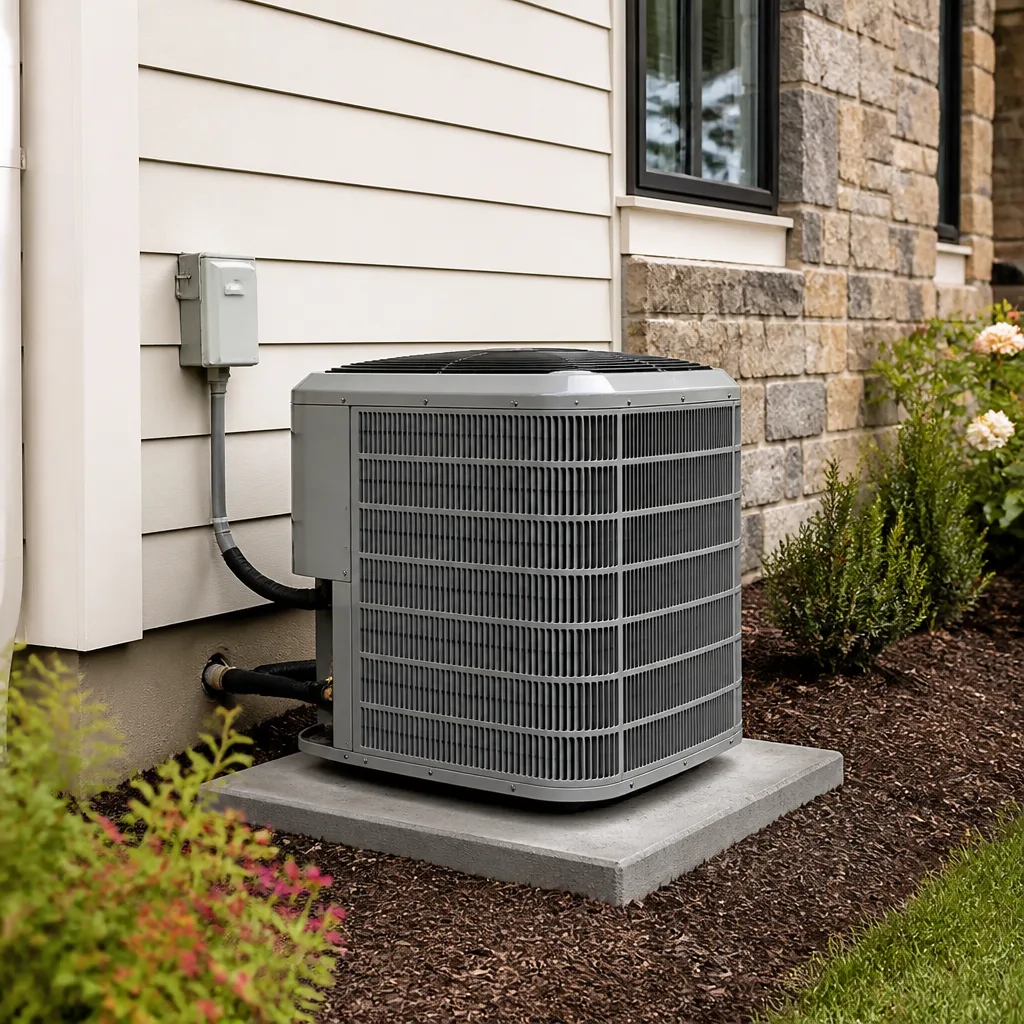 Carrier
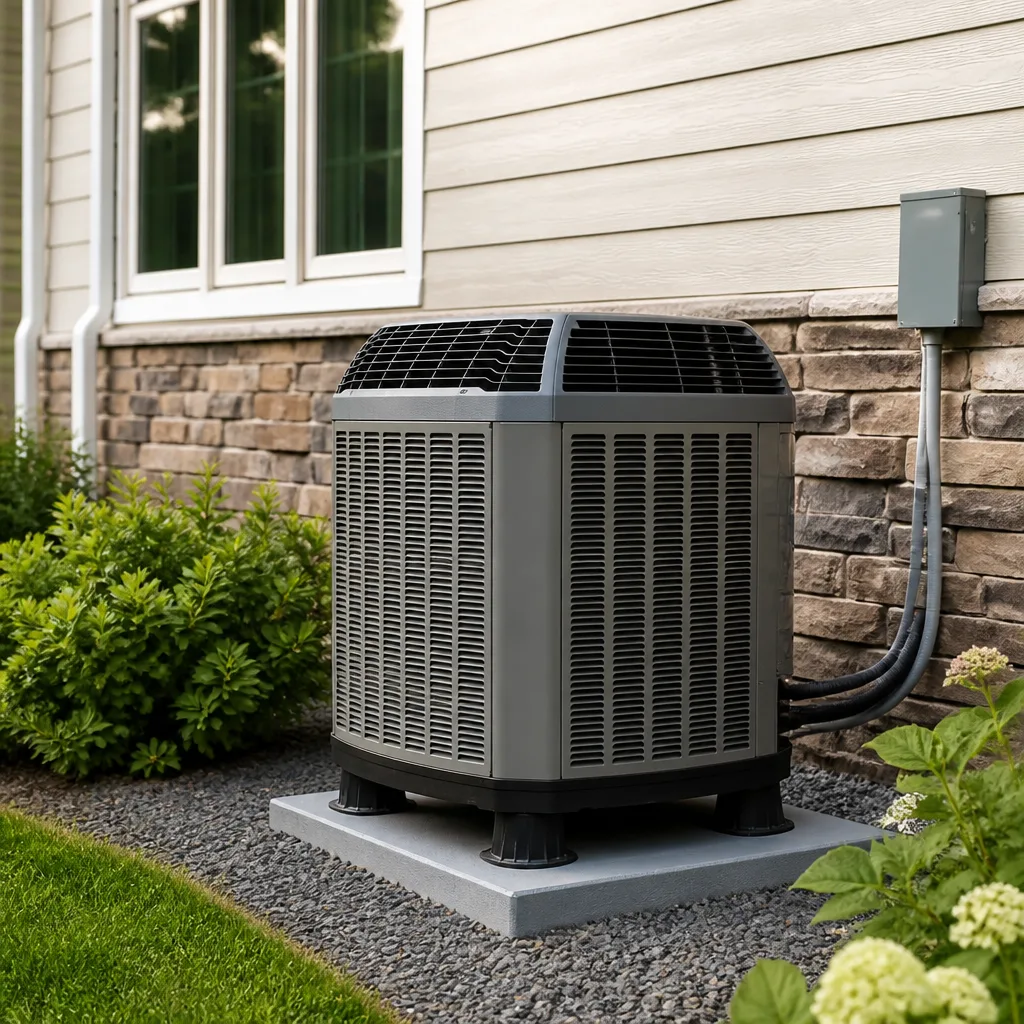 Trane
Trane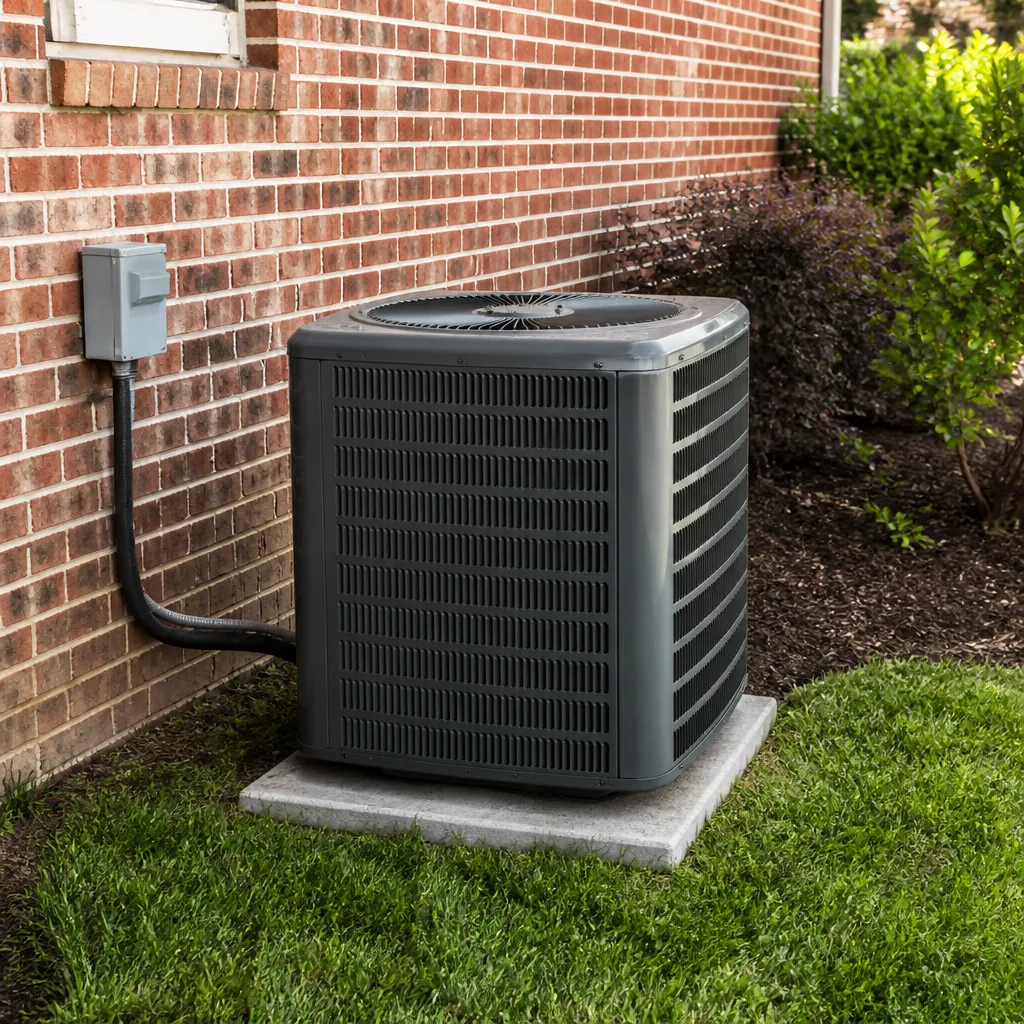 Goodman
Seasonal tune-up and full diagnostic on your Carrier, Trane, or Goodman system - readings shown to you before any repair is proposed
Diagnosis first, numbers second - you approve the repair price before a single part goes in.
Get your free estimateHVAC Permits, Codes & Inspections in NY: What You Need to Know
Replacing a like-for-like furnace in Yonkers technically requires a permit in most cases. That single sentence would surprise most homeowners we talk to, because their contractor never mentioned it. Here’s the uncomfortable truth: when a contractor quietly skips permits, the legal exposure lands on you, the property owner, not the person who did the work. This guide walks through which HVAC jobs in Yonkers need a City of Yonkers building permit, which ones don’t, what inspectors actually look for, and what retroactive permitting costs if you inherit unpermitted work. We’ll cover the New York State Uniform Code and how Westchester County’s amendments affect your project.
Styles & brands we work with
Quick Answer
Most HVAC work in Yonkers, including furnace replacement, AC condenser installation, and new ductwork, requires a permit from the City of Yonkers Building Department. For a complete overview of what to watch for, see our HVAC Warning Signs: A Yonkers Homeowner’s Reference Guide. Permits cost roughly $150 to $600 depending on project scope, and inspections verify that equipment is installed safely and to code. Skipping a permit saves a few hundred dollars upfront but creates a liability that can derail a home sale and cost thousands to fix later.
Table of Contents
- The Permit Basics: What Actually Needs One in Yonkers
- How New York’s Uniform Code Works (and Where Westchester Adds Rules)
- What Happens During an HVAC Inspection
- Retroactive Permits: The Real Cost and Timeline
- How to Confirm Your Contractor Pulled Permits Before Work Starts
- What Unpermitted HVAC Work Really Exposes You To
- Common Mistakes to Avoid
- When to Call a Professional
- Frequently Asked Questions
- The Bottom Line
The Permit Basics: What Actually Needs One in Yonkers
Let’s get specific about Yonkers, because the rules differ from neighboring communities like Mount Vernon or White Plains. The City of Yonkers Building Department requires a permit for most HVAC equipment changes and installations. If you’re replacing a furnace, boiler, central air conditioning condenser, or heat pump, you need a permit. If you’re installing new ductwork, relocating an existing unit, or adding a mini-split system, you need a permit. The rule of thumb is straightforward: if the work involves gas piping, electrical connections, refrigerant lines, or structural modifications, a permit is almost certainly required.
What’s exempt? Replacing a thermostat with a like-for-like model does not require a permit. Changing an air filter, cleaning coils, or replacing a capacitor during a repair does not require a permit. Routine maintenance and repairs that don’t alter the system’s configuration fall outside permit requirements. The distinction matters: a repair is reactive maintenance, while replacement and installation are permanent modifications to your home’s mechanical systems.
Here’s a plain-English breakdown of common HVAC jobs and whether they need a City of Yonkers permit:
- Furnace replacement (like-for-like): Permit required. The gas line connection, flue venting, and electrical wiring all get inspected.
- Boiler replacement: Permit required. Same reason as furnaces, plus pressure vessel check.
- Central AC condenser replacement: Permit required. Refrigerant line connections and electrical disconnect are inspected.
- Full AC system installation (new or first-time): Permit required. Includes condenser, evaporator coil, line set, and electrical circuit.
- Ductless mini-split installation: Permit required. Even though mini-splits look less invasive, they involve refrigerant lines and dedicated electrical circuits.
- Ductwork modification or new duct runs: Permit required when the work changes airflow design or penetrates fire-rated walls.
- Thermostat replacement: No permit required for same-voltage swap.
- Capacitor, contactor, or fan motor replacement: No permit required. These are standard AC repairs.
- Gas line extension for a new appliance: Permit required, and this one is non-negotiable for safety.
If you’re unsure whether your specific job qualifies, the City of Yonkers Building Department answers permit questions by phone. In our experience, a 10-minute call beats discovering the truth during a pre-sale inspection. Some homeowners in neighborhoods like Park Hill and Crestwood are surprised to learn that even swapping a 20-year-old boiler for a new one of the same size triggers a permit requirement. The logic is safety: every gas-fired appliance connection deserves fresh eyes.
How New York’s Uniform Code Works (and Where Westchester Adds Rules)
New York State operates under the Uniform Fire Prevention and Building Code, often called the Uniform Code. This statewide baseline sets minimum standards for HVAC installation, venting, combustion air, and electrical connections. The code draws heavily from the International Mechanical Code and International Fuel Gas Code, with New York-specific modifications. For Yonkers homeowners, the practical takeaway is this: the same furnace installed in Buffalo or Binghamton must meet the same core safety standard in Yonkers.
Westchester County adds local amendments that HVAC contractors need to account for. These amendments don’t rewrite the Uniform Code so much as tighten specific provisions. Common Westchester adjustments involve energy conservation requirements, which align with the New York State Energy Conservation Construction Code, and stricter venting clearance rules in older housing stock. Yonkers has a significant inventory of homes built before 1950, including large sections of the Hollow and Ludlow neighborhoods, which is why Seasonal HVAC Care for Yonkers: Year-Round Homeowner’s Guide matters for protecting these systems. Those older homes often have chimneys and flues that don’t meet modern venting standards for high-efficiency condensing furnaces.
Here’s what this means in practice for a typical Yonkers furnace replacement:
- The contractor reviews the existing venting setup. Older masonry chimneys often can’t handle the cooler exhaust from high-efficiency furnaces, so a PVC side-wall vent may be required.
- The contractor verifies combustion air requirements based on the appliance’s BTU rating and the room’s volume.
- Electrical work is performed to match the equipment’s dedicated circuit requirements.
- The installation follows the manufacturer’s installation manual, which is itself a code requirement, not just a suggestion.
- The City of Yonkers inspector verifies all of the above during a final inspection.
The interaction between state code and local enforcement matters because Yonkers inspectors apply Westchester amendments during the same inspection visit. A contractor who works primarily in New Jersey or the Bronx may not be dialed in to these local nuances. That’s one reason we recommend working with a Yonkers-based HVAC company that pulls permits in the city regularly. When we install a Goodman or Lennox furnace in Park Hill, we know exactly which Westchester amendment the inspector will check first.
What Happens During an HVAC Inspection
An HVAC inspection in Yonkers typically takes 30 to 60 minutes. The inspector arrives with a checklist tied to the permit you or your contractor filed, and their job is to verify that the installed equipment matches what was permitted and that it meets code. You or your contractor must be present for the inspection. If the inspector finds issues, they write them up, and a re-inspection is scheduled after corrections are made.
What inspectors actually look for varies by job type, but here are the most common checkpoints we see on Yonkers HVAC inspections:
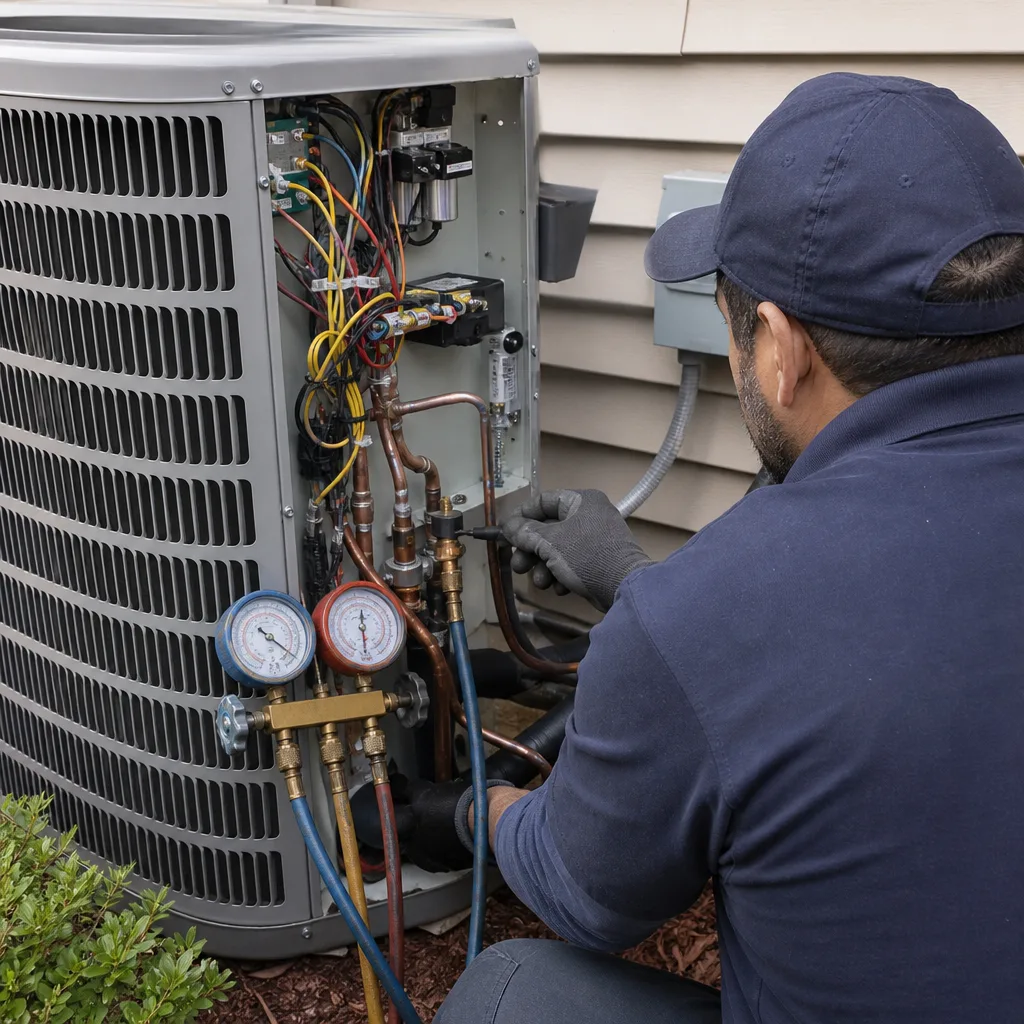
- Refrigerant line sizing and insulation: The copper lines connecting your indoor coil to the outdoor condenser must be the correct diameter for the system’s tonnage. Lines need proper insulation on the suction side to prevent sweating and efficiency loss.
- Electrical disconnect placement: The outdoor condenser needs an exterior disconnect switch within sight of the unit and within a specific distance. This lets a technician kill power immediately in an emergency. Inspectors check the disconnect’s location, the wire gauge feeding the unit, and the breaker size in the panel.
- Venting clearances: For gas furnaces and boilers, the inspector measures the distance from the vent termination to windows, doors, and property lines. High-efficiency furnaces venting through a side wall need specific clearance from operable windows and neighbor property lines. This is a frequent correction item on Yonkers homes built close together, common in Getty Square and Nodine Hill.
- Condensate drainage: High-efficiency gas furnaces and AC evaporator coils produce condensation. The inspector verifies that drain lines are properly sloped, trapped, and routed to an approved drain point. Improper condensate routing is one of the most common correction items, especially in older basements.
- Gas line connections: Inspectors check for proper pipe sizing, approved fittings, and required shutoff valves. They also look for evidence of leak-testing, which the contractor performs at specific pressure levels before the inspection.
- Equipment labeling and clearance: The inspector verifies that the installed equipment matches the permit application and that required service clearances are maintained around the unit. This includes access to the blower compartment and filter.
A passed inspection results in a signed permit and a certificate or sign-off on file with the City of Yonkers. That document is what you’ll want when you eventually sell. Westchester home inspectors and buyer’s attorneys increasingly ask for permit records during due diligence, especially for furnaces and AC systems installed within the last 10 years. A missing permit record creates a title and sale complication that we’ll address in the retroactive permitting section below.
Retroactive Permits: The Real Cost and Timeline
Retroactive permitting, sometimes called legalization, is the process of getting a permit for work that was already completed. The cost and timeline here are materially different from pulling a permit upfront. In Yonkers, a retroactive HVAC permit typically costs two to three times more than the original permit fee, once you factor in the additional review and inspection requirements. A standard furnace replacement permit that might cost $200 to $400 upfront can run $500 to $1,200 retroactively, depending on what the inspector finds.
But the permit fee is only one line item. Here’s the full picture of what retroactive permitting actually involves:
- Opening the walls or ceiling if needed: The inspector cannot verify ductwork, refrigerant line sizing, or venting runs they cannot see. If the work is buried behind drywall, portions may need to be opened for inspection.
- Correction work: If the inspector finds code violations, those must be fixed before the permit can be signed off. Common retroactive findings include undersized refrigerant lines, improper vent clearances, missing condensate traps, and wrong-gauge electrical wiring.
- Documentation gathering: You may need to provide documentation proving what was installed and when. Without receipts, model numbers on equipment nameplates become the evidence.
- Re-inspection scheduling: City inspection schedules vary. In Yonkers, depending on volume, you’re typically looking at a 2 to 6 week timeline from initial application to final sign-off, assuming no major corrections are required.
- Contractor involvement: A licensed HVAC contractor must usually certify the work or perform the corrections. We regularly get calls from homeowners who need a retroactive permit for work done by a contractor who has since disappeared or retired.
The “factor of ten” math in the intro is not hyperbole. A homeowner who skips a $300 permit on a $7,000 furnace installation might face $3,000 to $5,000 in combined retroactive costs if the unpermitted work is flagged during a home sale. And if a buyer uses the discovery to renegotiate, the real cost is higher still. Yonkers real estate agents who work in Lincoln Park and Dunwoodie tell us unpermitted HVAC work is one of the most common closing delays they encounter. A few hundred dollars at installation time buys you a clean sale later.
How to Confirm Your Contractor Pulled Permits Before Work Starts
The right time to verify a permit is before the first tool comes off the truck, not after the install crew has left. A contractor who resists pulling permits is a red flag, full stop. In our view, there is no legitimate reason for a licensed Yonkers HVAC contractor to discourage a permit. The reasons to skip are primarily cost and time savings for the contractor, and neither of those benefits you.
Here’s how to confirm the permit is real, step by step:
- Ask for the permit number: Your contractor should provide you with the City of Yonkers permit number before work begins. If they say it’s “in process” or “not needed” for your job, that’s a signal to pause.
- Verify the permit online or by phone: The City of Yonkers Building Department can confirm whether a permit exists for your address. You can also ask the inspector’s office directly. This takes 10 minutes.
- Check that the permit describes the actual work: A permit should list the equipment type and location. “Furnace replacement, 80k BTU, basement” is right. “HVAC work” with no specifics is worth questioning.
- Confirm the contractor’s license: Yonkers requires HVAC contractors to be licensed in Westchester County. Ask to see a license or verify the contractor’s name against county records. Every legitimate local company expects this ask.
- Request the inspection date in your contract: The permit should be closed out after a final inspection. Your written agreement should state that the contractor handles the inspection scheduling and any correction work required to pass.
At Halden Heating and Air Yonkers, we pull permits on every job that requires one. It’s part of the written price we provide before work starts, and the permit cost is a line item, not a surprise. We treat the inspection as part of the job, and our technicians stay on site for it. When the inspector signs off, you get the documentation. That’s the standard every Yonkers homeowner should expect, and if a contractor can’t meet it, find one who can. AC installation in Yonkers is a significant investment, and the permit record is part of protecting that investment.
What Unpermitted HVAC Work Really Exposes You To
The cost of retroactive permitting is one thing. The legal and safety exposure is another, and it’s the part most homeowners don’t think about until something goes wrong.
Financial liability starts with your homeowners insurance. Insurance policies typically require that work on your home be performed legally and to code. If an unpermitted HVAC installation causes a fire, a gas leak, or water damage, your insurer may deny the claim. We’ve seen this happen in Yonkers homes where an unpermitted furnace venting issue led to carbon monoxide exposure. The insurance company’s first question was whether permits were pulled. They weren’t, and the claim was contested.
Legal exposure surfaces during home sales. In New York, sellers are required to disclose known issues with the property. When a buyer’s inspector flags an unpermitted furnace or AC install, the seller is now aware, and failure to disclose creates legal risk. The buyer’s attorney will typically demand that the unpermitted work be legalized before closing, which means the seller pays for retroactive permitting under a time crunch. That’s the worst negotiating position a seller can be in.
Safety exposure is the one that matters most. The permit and inspection process exists because gas appliances and high-voltage electrical connections can injure or kill when installed incorrectly. A poorly vented furnace can push carbon monoxide into a home. An undersized refrigerant line can compromise a compressor, leaking refrigerant into the air. A mismatched electrical disconnect can arc. These hazards are not theoretical. They’re the specific failure modes that the Yonkers inspection process is designed to catch before they hurt someone.
The person who skipped the permit is not the one living with the risk. You are. That asymmetry is why this guide exists.
Common Mistakes to Avoid
- Believing “repairs don’t need permits.” Small component repairs are exempt, but any change to the system’s configuration, gas supply, or electrical feed usually requires a permit. When in doubt, ask the Building Department directly.
- Trusting a contractor who says permits are “unnecessary in Yonkers.” This is factually wrong for most equipment replacement and installation work, and the homeowner carries the liability. A contractor who says this is either misinformed or avoiding inspections.
- Replacing a furnace without checking venting compatibility. High-efficiency furnaces vent differently than older mid-efficiency models. Installing a high-efficiency unit on an old masonry chimney without proper modification creates a safety hazard and a guaranteed inspection failure.
- Failing to verify the permit before work begins. By the time the equipment is installed, your leverage is gone. Confirm the permit number before installation day.
- Overlooking the electrical disconnect requirement for AC condensers. This is one of the most frequent inspection corrections in Yonkers. The disconnect must be within sight of the unit and properly sized.
- Waiting until a home sale to address unpermitted work. Retroactive permitting under a closing deadline is expensive and stressful. If you know you have unpermitted HVAC work, address it before you list the house.
- Routing condensate drains into a floor drain without an air gap. Inspectors look for this specifically. An improper air gap can allow sewer gas backdrafting into the HVAC system.
When to Call a Professional
If you’re planning any HVAC replacement, installation, or major modification in Yonkers, a licensed professional should handle both the installation and the permitting; our AC Repair Maintenance Checklist for Yonkers Homeowners covers what to expect. The permit process is not a DIY affair, and the city will not issue an HVAC permit to an unlicensed individual. If you’re buying a home and the inspection report flags unpermitted HVAC work, call a licensed contractor to assess what legalization will require. If you’re unsure whether your existing system was properly permitted, call the Yonkers Building Department for a records check, then call a contractor if the records are missing. Halden Heating and Air Yonkers offers free estimates in Yonkers. Call (838) 213-7827 and we’ll assess your system, check permit records if needed, and give you a written price before any work is agreed to.
Frequently Asked Questions
Yes. Replacing an AC condenser or installing a new central air system in Yonkers requires a City of Yonkers building permit. The inspection covers the refrigerant line connections, electrical disconnect, and condenser placement. Call (838) 213-7827 if you need help with the permit process.
HVAC permit fees in Yonkers typically range from $150 to $600, depending on the scope of work. Furnace and boiler replacements are on the lower end, while full-system installations with ductwork are on the higher end. The final figure depends on the city’s fee schedule and the number of inspections required.
You can list your home with unpermitted HVAC work, but you are legally required to disclose it once you become aware, and most buyers’ inspectors will flag it during due diligence. Buyers commonly demand retroactive permitting before closing, which means you’ll pay for it under deadline pressure. Addressing it before listing is cheaper.
A failed inspection means the inspector found items that don’t meet code. Your contractor must correct those items and schedule a re-inspection. Common failures include improper vent clearances, missing electrical disconnects, and condensate drain issues. Re-inspections usually require an additional fee.
Plan for 2 to 6 weeks from initial application to final sign-off, assuming no major corrections are required. If walls need to be opened for inspection or significant code violations are found, the timeline stretches. The schedule also depends on current inspector availability at the Yonkers Building Department.
Does a furnace repair require a permit in Yonkers?
Most repairs do not require a permit if they don’t modify the system’s configuration, gas piping, or electrical supply. Replacing a thermocouple, igniter, blower motor, or circuit board falls under repair and is exempt. Furnace replacement always requires a permit.
We service and install major brands including Lennox, Goodman, Rheem, and York, along with Carrier, Trane, Bryant, and others. Every installation includes permit handling and a written price before work starts. Call (838) 213-7827 for a free estimate.
The Bottom Line
Permits exist for a reason, and in Yonkers, the reason is safety and accountability on every gas-fired appliance and electrical connection in your home. A like-for-like furnace replacement requires a permit. A new AC condenser requires a permit. The cost is a few hundred dollars upfront, and the alternative is thousands retroactively, plus insurance risk and sale complications. Confirm the permit before work starts. Verify the permit number with the city. Expect your contractor to handle inspections as part of the job. If they won’t, call a company that will. Halden Heating and Air Yonkers has been handling permits, installations, and repairs in Yonkers since 2004, and every job starts with a written price. Call (838) 213-7827 and we’ll answer any question about your system or your permit status, in plain English.
Written by Andre Fuller, Owner at Halden Heating and Air Yonkers, serving Yonkers since 2004.
See the difference
 Before
 After
After Before
 After
After Before
 After
After